
Keeping your kitchen clean is not just about looks—it’s about your health and safety too. But with so many cleaning products out there, it can be confusing to know which ones are safe and effective for your kitchen surfaces.
You want products that cut through grease, kill germs, and are gentle enough for your countertops and appliances. You’ll discover the best cleaning products to use in your kitchen, so you can create a spotless, healthy space with ease. Ready to make your kitchen shine like never before?
Let’s dive in!

Credit: www.amazon.com
Choosing Safe Kitchen Cleaners
Choosing safe kitchen cleaners is essential for maintaining a healthy home environment. You spend a lot of time in the kitchen, preparing food and caring for your family, so the products you use should protect your health without compromising cleanliness. Understanding the differences between cleaner types can help you make smarter, safer choices.
Natural Vs Chemical Products
Natural cleaners often use ingredients like vinegar, baking soda, and lemon juice. These substances can tackle grease and grime effectively without harsh chemicals. Chemical products might promise fast results, but many contain substances that irritate skin or release harmful fumes.
Have you noticed how some chemical cleaners leave a strong smell that lingers? That can be a sign of synthetic compounds that may affect indoor air quality. Choosing natural alternatives reduces these risks while still keeping your kitchen spotless.
Non-toxic Options For Families
If you have kids or pets, non-toxic cleaners are a smart choice. Products labeled as non-toxic avoid harmful ingredients like ammonia, bleach, and phthalates. These cleaners minimize the risk of allergic reactions or accidental poisoning.
Look for brands that use simple ingredient lists or certifications from trusted organizations. You can also make your own cleaners with safe household items—mixing water with a few drops of castile soap works wonders for daily cleaning. Would you feel safer using a product you can pronounce every ingredient in?
Eco-friendly Cleaning Choices
Eco-friendly cleaners reduce environmental impact by using biodegradable ingredients and recyclable packaging. They often avoid petrochemicals and synthetic fragrances that harm ecosystems. Choosing these products supports sustainability without sacrificing cleaning power.
Many eco-friendly options perform just as well as conventional cleaners. You can find sprays, wipes, and powders made from plant-based materials that break down naturally. How can your kitchen cleaning routine contribute to a healthier planet?
Essential Cleaners For Different Surfaces
Different kitchen surfaces need specific cleaners to stay spotless and safe. Using the right product keeps surfaces fresh without damage. Each material reacts differently to cleaners, so choose wisely. Below are essential cleaners for common kitchen surfaces.
Countertops And Worktops
Use mild dish soap mixed with warm water for daily cleaning. Avoid harsh chemicals that can dull or stain surfaces. For tougher spots, a baking soda paste gently lifts grime. Granite and marble benefit from pH-neutral cleaners to avoid etching. Wipe with a soft cloth to prevent scratches.
Stainless Steel Appliances
Use a soft microfiber cloth and warm soapy water for most cleaning. Remove fingerprints and smudges with a small amount of white vinegar. Avoid abrasive scrubbers that cause scratches and dullness. Finish with a dry cloth to restore shine and prevent streaks.
Glass And Mirrors
Use a glass cleaner or a mixture of water and vinegar. Spray lightly and wipe with a lint-free cloth or paper towel. Avoid using abrasive materials that can scratch the surface. For stubborn spots, rubbing alcohol helps dissolve grease.
Wooden Cabinets And Shelves
Clean with a damp cloth and mild soap to avoid water damage. Dry immediately with a soft towel to protect the wood. Use wood polish or oil occasionally to maintain shine and prevent drying. Avoid harsh chemicals that strip the finish.
Spot Cleaning And Stain Removal
Kitchen stains respond well to gentle cleaners like baking soda and vinegar. Avoid harsh chemicals to protect surfaces and food safety. Using mild dish soap with warm water often removes spots effectively without damage.
Spot cleaning and stain removal in the kitchen can be a challenge. Grease, food stains, and water spots are common culprits. Using the right cleaning products can make this task easier. Let’s explore effective methods for each type of stain.
Removing Grease And Oil
Grease and oil stains are stubborn. Dish soap is your best friend here. Apply a few drops directly onto the stain. Let it sit for a few minutes. Wipe with a damp cloth. For tougher spots, use baking soda. Sprinkle it on the stain, then scrub gently. Rinse thoroughly.
Tackling Food Stains
Food stains come in all forms. For tomato or berry stains, white vinegar works well. Dab a little onto a cloth and wipe. Lemon juice is also effective. Squeeze some juice onto the stain and let it sit. Wipe away with a clean cloth. For coffee or tea stains, mix baking soda with water. Make a paste and apply it to the stain. Rinse after scrubbing lightly.
Dealing With Hard Water Spots
Hard water spots can be frustrating. Vinegar is a simple solution. Soak a cloth in vinegar and place it on the spot. Let it sit for a few minutes. Scrub lightly and rinse. For persistent spots, try a mix of vinegar and baking soda. Apply and scrub gently. Always dry the area to prevent new spots.
:max_bytes(150000):strip_icc()/SPR-pantry-items-for-cleaning-11771100-4c4eaeb195a345fea82e58971322386a.jpg)
Credit: www.thespruce.com
Disinfectants And Sanitizers
Disinfectants and sanitizers play a crucial role in keeping your kitchen safe and clean. They help eliminate harmful germs that can cause foodborne illnesses. Choosing the right product ensures you protect your family without exposing them to harsh chemicals.
Killing Kitchen Germs Safely
You want to kill germs but avoid toxic residues on surfaces where you prepare food. Many disinfectants work well but require proper rinsing afterward. Always check labels for food-safe claims and follow instructions carefully.
Using gloves and ventilating your kitchen can protect your skin and lungs from strong chemicals. Remember, a cleaner doesn’t mean safer if you ignore safety precautions.
Using Vinegar And Baking Soda
Vinegar and baking soda are popular natural cleaners you might already have. Vinegar’s acidity helps kill some bacteria and dissolve grease, while baking soda acts as a gentle scrub.
Mixing vinegar and baking soda creates a fizzing reaction that lifts grime. However, vinegar is not a registered disinfectant, so it won’t kill all germs effectively.
- Use vinegar on countertops and cutting boards, then rinse well.
- Sprinkle baking soda on stains and scrub gently.
- Combine them for tough spots but avoid using on natural stone surfaces.
Commercial Disinfectant Options
Commercial disinfectants offer powerful germ-killing abilities backed by scientific testing. Look for EPA-registered products approved for kitchen use.
Common options include bleach solutions, hydrogen peroxide sprays, and alcohol-based wipes. These kill a wide range of bacteria and viruses quickly.
- Bleach: Use diluted solutions for hard surfaces; avoid mixing with other cleaners.
- Hydrogen Peroxide: Effective and leaves no toxic residue; safe on many surfaces.
- Alcohol Wipes: Great for quick sanitizing of small areas like handles and switches.
Which disinfectant fits your lifestyle and kitchen habits best? Trying different products safely can help you find a balance between effectiveness and convenience.
Specialty Products For Tough Jobs
Some kitchen cleaning tasks need stronger products than everyday cleaners. Specialty products target tough stains and buildup. They help keep appliances and surfaces in top shape. Using the right product saves time and effort.
Oven And Grill Cleaners
Ovens and grills collect burnt food and grease. Oven and grill cleaners break down this stubborn grime. Many come as sprays or foams for easy use. Always follow safety instructions and ventilate the area well. These cleaners restore shine and improve cooking performance.
Drain Cleaners And Deodorizers
Kitchen drains can clog from grease and food scraps. Drain cleaners dissolve blockages fast. Some products also deodorize to remove bad smells. Use these products carefully to avoid pipe damage. Regular use keeps drains flowing smoothly and smelling fresh.
Microwave And Dishwasher Maintenance
Microwaves and dishwashers need special cleaners for deep cleaning. Microwave cleaners remove stains and odors inside. Dishwasher cleaners clear mineral deposits and food particles. These products improve appliance efficiency and extend lifespan. Clean appliances make kitchen tasks easier and more hygienic.
Tips For Effective Cleaning
Cleaning your kitchen effectively isn’t just about grabbing any product off the shelf. It’s about using the right tools, understanding which products work well together, and keeping a consistent cleaning schedule. These tips help you get the best results and keep your kitchen safe and sparkling.
Proper Cleaning Tools
Using the right tools makes a big difference. A microfiber cloth can pick up grease without scratching surfaces. Sponges with a scrubber side handle tough spots well, but make sure to replace them regularly to avoid bacteria buildup.
Don’t forget small brushes for corners and crevices where dirt hides. Using a spray bottle for your cleaning solutions helps control the amount applied and prevents waste. Have you ever tried using a squeegee on your countertops? It’s surprisingly effective for a streak-free finish.
Safe Product Combinations
Mixing cleaning products might seem like a shortcut, but some combinations can be dangerous. Never combine bleach with ammonia or vinegar—they create toxic fumes. Instead, stick to one product at a time and rinse surfaces well before using another.
If you want to boost cleaning power naturally, try baking soda and lemon separately—they’re gentle but effective. Are you aware of what’s actually in your cleaning products? Checking labels can prevent harmful reactions and keep your kitchen safe.
Routine Cleaning Schedules
Cleaning your kitchen regularly saves time and effort. Wiping down counters and stove tops daily prevents buildup. Deep cleaning appliances like ovens and refrigerators once a month keeps them running efficiently.
Set reminders on your phone or calendar to stay consistent. How often do you clean behind or under appliances? These spots collect dust and spills that can attract pests if ignored. A simple routine can make your kitchen healthier and more pleasant every day.
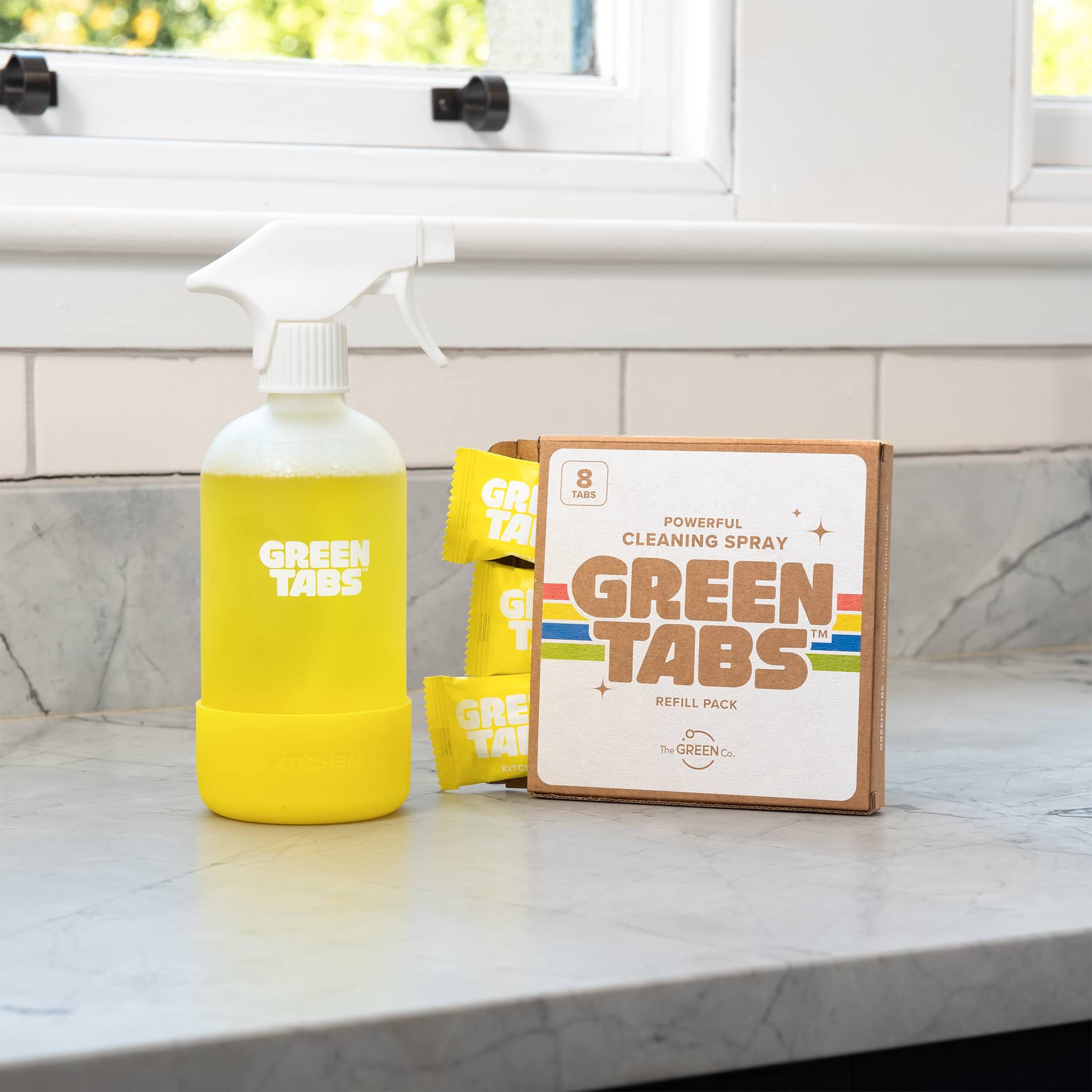
Credit: www.thegreencompany.online
Frequently Asked Questions
What Are The Best Natural Kitchen Cleaning Products?
Natural kitchen cleaners include vinegar, baking soda, and lemon juice. These products are safe, non-toxic, and effective for removing grease and stains. They also disinfect surfaces without harsh chemicals, making them ideal for eco-friendly kitchen cleaning.
Which Cleaning Product Removes Kitchen Grease Effectively?
Degreasers or dish soap with strong grease-cutting agents work best. Look for products labeled as kitchen degreasers. These break down stubborn grease and oil quickly, leaving surfaces clean and residue-free.
Can I Use Bleach For Kitchen Cleaning Safely?
Yes, but with caution. Bleach disinfects and kills germs effectively. Use diluted bleach solutions and avoid mixing with other cleaners. Always ventilate the area well and wear gloves to protect your skin.
What’s The Safest Cleaner For Kitchen Countertops?
Mild dish soap mixed with warm water is safest. It cleans without damaging surfaces like granite or laminate. Avoid acidic or abrasive cleaners that can etch or dull countertops.
Conclusion
Choosing the right cleaning products keeps your kitchen safe and fresh. Use gentle cleaners on surfaces where food touches. Stronger products work well on tough stains and grease. Always read labels to avoid harmful chemicals. Natural options like vinegar and baking soda clean effectively too.
Regular cleaning stops germs and keeps your kitchen healthy. Clean tools and sponges often to avoid spreading dirt. A clean kitchen makes cooking more pleasant and safe. Simple steps lead to a cleaner, happier home.