
When you’re preparing food, the right gloves can make all the difference. Not only do they protect your hands, but they also keep your meals safe and clean.
But with so many options out there, how do you know which gloves are best for food prep? You want something comfortable, reliable, and safe—something that fits your needs perfectly. Keep reading, and you’ll discover exactly what to look for so you can handle your food with confidence every time.

Credit: www.amazon.com
Types Of Gloves For Food Prep
Choosing the right gloves for food preparation is key for safety and hygiene. Various gloves serve different purposes. Some protect against contamination while others guard against heat or cuts. Understanding glove types helps pick the best fit for each kitchen task.
Disposable Gloves
Disposable gloves are thin and designed for one-time use. They keep food safe from germs and prevent cross-contamination. Common materials include latex, vinyl, and nitrile. These gloves are easy to put on and remove quickly.
Reusable Gloves
Reusable gloves are thicker and made for multiple uses. They last longer and reduce waste. These gloves often have textured surfaces for a better grip. They work well for washing dishes and cleaning surfaces.
Heat-resistant Gloves
Heat-resistant gloves protect hands from burns. They are made of materials that block high temperatures. These gloves are essential when handling hot pots, pans, or grills. They help keep hands safe during cooking.
Cut-resistant Gloves
Cut-resistant gloves guard against knife injuries. They are made from strong fibers like Kevlar or metal mesh. These gloves provide extra safety while slicing or chopping. They reduce the risk of accidents in the kitchen.
Materials Used In Food Prep Gloves
Choosing the right material for food prep gloves can make a big difference in your kitchen. Each type offers unique benefits and drawbacks that affect comfort, safety, and hygiene. Understanding these materials helps you pick gloves that protect both your hands and the food you handle.
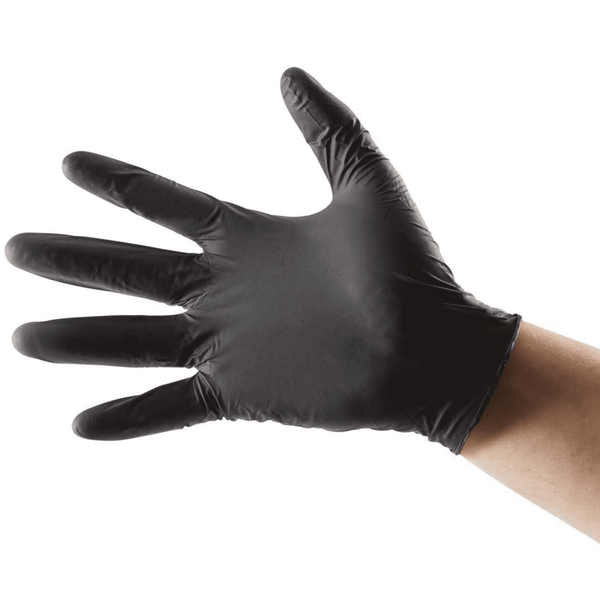
Nitrile Gloves
Nitrile gloves are popular because they resist punctures and chemicals better than many other materials. They provide a snug fit, which gives you excellent control when chopping or handling delicate ingredients.
If you have latex allergies, nitrile is a safe alternative. Plus, they come in various thicknesses, so you can choose a pair that balances durability with flexibility for your tasks.
Latex Gloves
Latex gloves offer great elasticity and comfort, making them feel like a second skin. They provide strong protection and excellent tactile sensitivity, which is key for precision work like decorating or filleting fish.
However, some people develop allergies to latex, which can cause skin irritation or worse. If you or your team have sensitive skin, consider other materials to avoid potential reactions.
Vinyl Gloves
Vinyl gloves are affordable and easy to put on and take off. They work well for short, low-risk tasks like serving or light food prep where durability isn’t critical.
They don’t stretch as well as nitrile or latex, so they may tear more easily. If you’re handling raw meat or hot ingredients, vinyl gloves might not offer enough protection.
Polyethylene Gloves
Polyethylene gloves are often used for quick food handling jobs like sandwich making or salads. They’re loose-fitting and disposable, which makes them convenient but less protective.
These gloves don’t provide much grip or durability, so they’re best when you need a basic barrier rather than full hand protection. Would you trust them for handling raw chicken? Probably not, but they’re great for assembly line work.
Safety Features To Consider
Gloves should protect against cuts and chemicals while fitting comfortably. Breathable materials help reduce sweat, keeping hands dry and safe. Choose gloves that meet food safety standards to avoid contamination risks.
When selecting gloves for food prep, safety features are paramount. These features ensure both the protection of the food and the safety of the person handling it. Understanding these features can make a significant difference in maintaining health standards and avoiding potential hazards.
Allergen-free Options
Gloves made from latex can cause allergic reactions in some people. If you have a sensitivity, opt for alternatives like nitrile or vinyl gloves. These materials are not only allergen-free but also provide excellent durability for food handling tasks.
Puncture Resistance
Accidental cuts or punctures can happen anytime during food prep. Gloves with high puncture resistance offer an extra layer of safety, preventing sharp objects from causing injuries. Nitrile gloves are a popular choice due to their balance of flexibility and strength, making them less prone to tears compared to other materials.
Chemical Resistance
Consider gloves that can withstand exposure to various cleaning agents and food ingredients. Some chemicals used in kitchens can degrade glove materials, compromising their integrity. Nitrile gloves are again a strong candidate, known for their resistance to oils, solvents, and other chemicals commonly found in food preparation settings.
Food Grade Certification
Always check for food grade certification to ensure gloves are safe for direct contact with food. Certified gloves meet specific standards that prevent contamination and ensure hygiene. Look for certifications such as FDA approval, which indicates that the gloves are suitable for food handling. Choosing the right gloves involves balancing safety, comfort, and functionality. Reflect on your specific needs and work environment to make an informed decision. What safety features are non-negotiable for you in your kitchen?
Credit: www.en.vermontcastingsbbq.com
Comfort And Fit Factors
Choosing the right gloves for food preparation is not just about hygiene; comfort and fit play a huge role in your efficiency and safety. Gloves that fit well and feel comfortable can reduce hand fatigue and improve your control over knives and other kitchen tools. Let’s break down the key comfort and fit factors that you should consider to make your food prep smoother and safer.
Breathability
Gloves that allow your skin to breathe prevent sweat build-up, which can be distracting and slippery. Materials like nitrile and latex offer varying breathability, but some brands also include ventilation features or thinner designs to improve airflow. Have you ever worn gloves that made your hands sweat so much you wanted to take them off immediately? That’s a sign you need better breathability for long prep sessions.
Flexibility And Dexterity
Food prep often requires precision, whether you’re chopping herbs or handling delicate ingredients. Gloves should stretch and move with your hands without feeling tight or restrictive. Some gloves are designed with extra elasticity in the fingers and palms, allowing you to maintain a natural grip and fine motor skills. Think about how much easier your tasks become when your gloves don’t hinder your movements.
Size Options
Wearing gloves that are too tight can cut off circulation, while oversized gloves can slip and reduce your control. Many brands offer multiple size options, so measure your hand properly before buying. It’s worth investing time to find gloves that fit snugly but comfortably. Have you ever struggled with gloves that are too loose or too tight during a busy cooking session? Finding the right size can change your whole experience.
Texture And Grip
Handling wet or oily ingredients can be tricky without the right grip. Gloves with textured surfaces, like dotted or ribbed patterns, provide better traction and reduce slips. This feature is especially important when working with knives or heavy pots. Imagine how much safer and faster your prep work could be with gloves that actually help you hold onto slippery items.
Best Gloves For Different Food Tasks
Choosing the right gloves for specific food tasks can make a big difference in safety, comfort, and efficiency. Different foods and kitchen activities demand gloves with unique features like durability, flexibility, and resistance to moisture or chemicals. Understanding which gloves suit your task will help you protect your hands and maintain hygiene standards effectively.
Handling Raw Meat
When dealing with raw meat, you need gloves that offer strong protection against contamination and tears. Nitrile gloves are ideal here—they resist punctures and provide a tight fit for precise handling. Their chemical resistance also helps protect you from marinades and juices that can irritate your skin.
Make sure the gloves are thick enough to avoid accidental rips but still allow you to feel what you’re doing. Changing gloves frequently when switching between different types of meat or tasks prevents cross-contamination. Have you noticed how slippery raw meat can get? A textured surface on gloves can improve your grip and control.
Preparing Fresh Produce
Fresh fruits and vegetables require gloves that are breathable and comfortable since you might be working with them for longer periods. Vinyl gloves are a good choice—they are latex-free and less likely to cause allergic reactions. They provide enough protection while allowing some airflow, which helps reduce hand sweat.
Thin gloves help you feel the texture of produce, making it easier to sort and inspect quality. If you often handle citrus or acidic fruits, pick gloves that resist degradation from acids. Do you find your hands getting dry or irritated after prepping produce? Switching to powder-free gloves can reduce skin dryness.
Baking And Pastry Work
Gloves used in baking should be flexible and food-safe but not too bulky, so you maintain dexterity for delicate tasks. Latex gloves work well here due to their excellent stretch and sensitivity. They allow you to handle dough, piping bags, and decorations with precision.
However, if you or your team have latex allergies, nitrile gloves are a great alternative. They balance sensitivity and durability, especially when working with sticky or oily ingredients. Have you tried gloves with a smooth finish for baking? They make cleanup easier and prevent flour from sticking excessively.
Cleaning And Sanitizing
Cleaning tasks expose your hands to harsh chemicals and hot water, so durability and chemical resistance are critical. Heavy-duty nitrile or latex gloves with a thicker lining protect your skin during sanitation. Look for gloves that extend beyond the wrist to shield your forearms as well.
Reusable gloves are often more economical and environmentally friendly for cleaning than disposable ones. After thorough washing and drying, they can last through many cleaning sessions. How often do you check your gloves for wear and tear? Small holes can let chemicals through, defeating their purpose.
Maintenance And Disposal Tips
Maintaining and disposing of gloves properly is crucial for food safety and hygiene. Ignoring these steps can lead to contamination and health risks. Let’s break down how you can handle gloves effectively during food preparation to keep your kitchen safe and clean.
Proper Usage Guidelines
Always wash your hands before putting on gloves to avoid trapping dirt or bacteria inside. Change gloves between different tasks, especially when switching from raw to cooked food. Avoid touching your face or phone while wearing gloves, as it transfers germs.
Keep gloves dry and intact; torn or wet gloves can harbor bacteria. If you notice any damage, replace the gloves immediately. Remember, gloves are there to protect your food and you, so don’t skip these simple steps.
Safe Disposal Practices
Discard gloves as soon as you finish a task to prevent cross-contamination. Never leave used gloves lying around; they can spread germs to surfaces and other foods. Place gloves in a dedicated trash bin lined with a plastic bag to contain any contamination.
If your kitchen uses compostable gloves, make sure to dispose of them in the right compost bins. Otherwise, gloves should go into regular waste to avoid contaminating recycling streams. Think about the environment but prioritize food safety first.
Reusing Vs. Single Use
Most food prep gloves are designed for single use only. Reusing gloves can trap bacteria and increase the risk of foodborne illnesses. You might save money by reusing gloves, but is it worth risking your health or your customers’ safety?
Some gloves made from durable materials can be sanitized and reused, but this requires strict protocols. Unless your gloves are specifically labeled reusable, treat them as disposable. What’s your experience with glove reuse in the kitchen? Share your thoughts!
Top Brands And Product Recommendations
Choosing the right gloves for food preparation can make a big difference in safety, comfort, and efficiency. Different brands offer unique features tailored to various needs, whether you’re cooking at home or managing a busy kitchen. Let’s look at some top brands and specific products that stand out in three key categories.
Budget-friendly Options
If you’re looking for reliable gloves without breaking the bank, several brands deliver quality at an affordable price. Gladgloves are popular for their durability and comfortable fit. They offer latex-free options that work well for everyday food prep tasks.
Another solid choice is Great Valuegloves, known for their decent thickness and reliable grip. These gloves come in bulk packs, which is perfect if you need to change gloves frequently. Have you considered how often you actually use gloves during your prep? Buying in bulk can save money over time.
Professional Grade Gloves
For chefs and serious home cooks, professional-grade gloves provide superior protection and sensitivity. Ansell Microflex
Showa Best
Do you prioritize tactile sensitivity when prepping delicate ingredients? Professional gloves often balance protection and touch better than basic options.
Eco-friendly Choices
More cooks now seek gloves that minimize environmental impact without sacrificing performance. Seventh Generation
Biosafety
What would it mean for your food prep routine if you could reduce plastic waste simply by switching glove brands? These options prove it’s possible to combine safety with responsibility.

Credit: ecogloves.co
Frequently Asked Questions
What Type Of Gloves Are Best For Food Prep?
Nitrile gloves are best for food prep. They resist punctures and chemicals. They are also latex-free, reducing allergy risks. Vinyl gloves are a budget option but less durable. Choose gloves that fit snugly and meet food safety standards.
Are Latex Gloves Safe For Food Preparation?
Latex gloves are safe but may cause allergies. Some people have latex sensitivities, leading to reactions. Nitrile or vinyl gloves are safer alternatives. Always check for food-grade certification when selecting gloves for food prep.
How Often Should Food Prep Gloves Be Changed?
Change gloves every 30 minutes or when contaminated. Always switch gloves after handling raw meat or allergens. Frequent changes prevent cross-contamination and ensure food safety. Avoid wearing the same gloves for multiple tasks.
Can Disposable Gloves Prevent Food Contamination?
Yes, disposable gloves reduce contamination risks. They create a barrier between hands and food. Proper glove use combined with handwashing is essential. Gloves must be changed regularly to maintain hygiene and safety.
Conclusion
Choosing the right gloves makes food prep safer and cleaner. Nitrile gloves work well for most tasks. Vinyl gloves offer a budget-friendly option. Always pick gloves that fit comfortably and feel strong. Change gloves often to avoid cross-contamination. Clean hands and good gloves keep food safe.
Simple steps create a healthier kitchen for everyone. Keep these tips in mind for your next meal prep. Safety first, every time you cook.