
Are you tired of casting your line and coming up empty? Knowing the best way to fish a spoon can change everything.
This simple lure has the power to attract a variety of fish, but only if you use it right. You’ll discover easy tips and tricks to make your spoon fishing more effective. Whether you’re a beginner or looking to sharpen your skills, learning these techniques will help you catch more fish and enjoy your time on the water.
Keep reading to unlock the secrets that will turn your next fishing trip into a success.
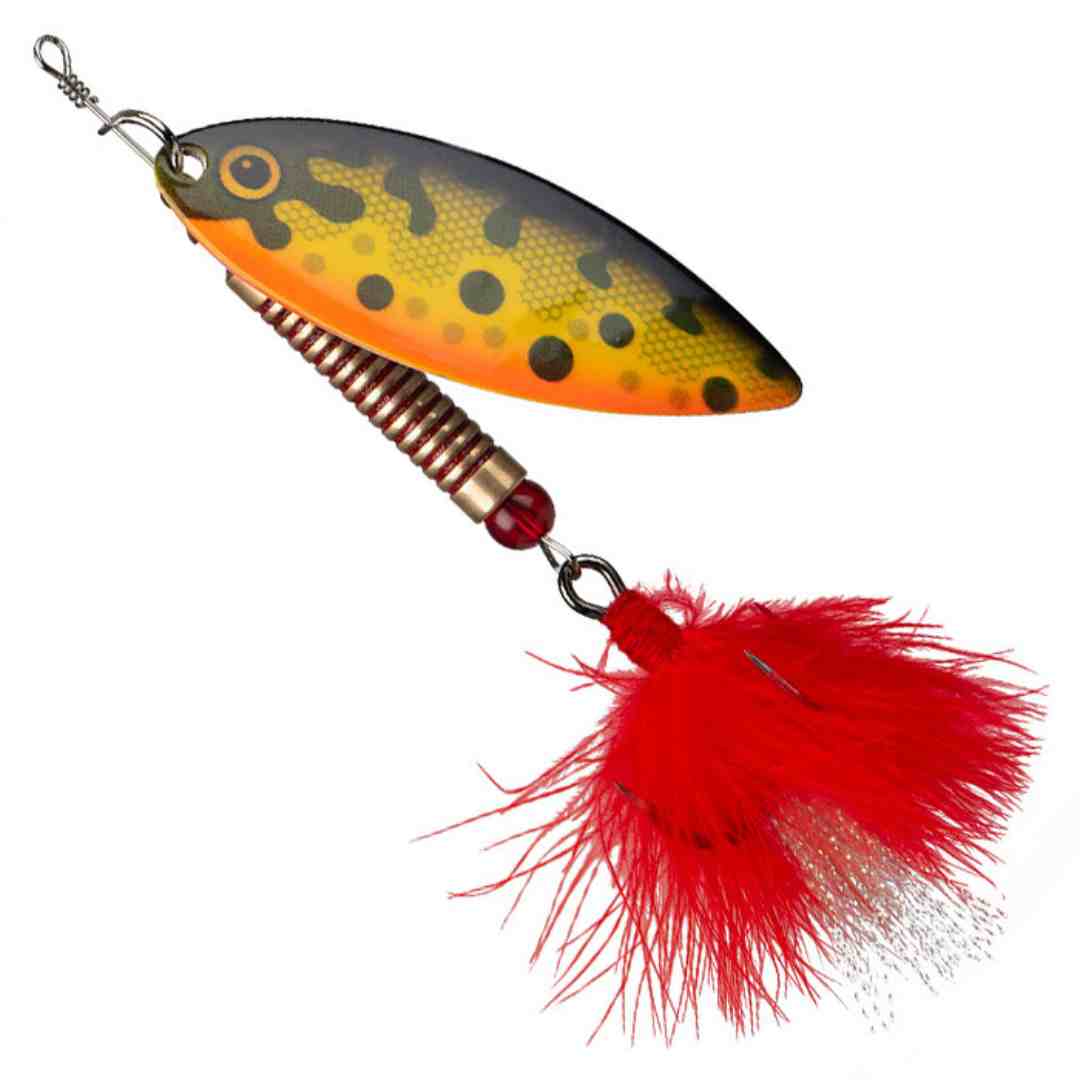
Credit: www.anglingdirect.co.uk
Choosing The Right Spoon
Choosing the right spoon is key to catching more fish. A spoon lure mimics the movement of small fish, attracting predators. Picking the correct type, size, and color makes your fishing more effective and enjoyable.
Types Of Spoons
Spoons come in several shapes and styles. Each has a unique action in water.
- Classic Spoons:Curved and simple, they wobble and flash.
- Flutter Spoons:Move erratically, great for aggressive fish.
- Teardrop Spoons:Sink faster, good for deeper water.
- Cleopatra Spoons:Wider and heavier, ideal for strong currents.
Matching Spoon Size To Fish
Size matters in spoon fishing. Match your spoon size to the fish species.
| Fish Type | Recommended Spoon Size |
|---|---|
| Trout | 1 to 2 inches |
| Bass | 2 to 3 inches |
| Pike | 3 to 5 inches |
| Salmon | 2.5 to 4 inches |
Smaller spoons work well for shy fish. Larger spoons attract big predators.
Color And Finish Selection
Color affects visibility and attraction. Choose colors based on water clarity and light.
- Bright Colors:Perfect for murky water or low light.
- Natural Colors:Work best in clear water to imitate baitfish.
- Metallic Finishes:Reflect light and catch attention quickly.
- Matte Finishes:Offer subtle flash for spooky fish.
Try different colors until you find what the fish prefer that day.

Credit: saltyscales.com
Essential Gear For Spoon Fishing
Choosing the right gear is key for successful spoon fishing. Proper equipment helps cast farther and attract more fish. It improves control and increases your catch rate. Here is what you need to get started.
Rod And Reel Setup
Select a medium-light to medium-action rod for better sensitivity. A length between 6 to 7 feet works well. Use a spinning reel for smooth casting and retrieval. Match the reel size to the rod for balanced handling. Ensure the reel has a good drag system to control fighting fish.
Line Selection
Choose a fishing line that suits your target fish and water conditions. Monofilament lines of 6 to 10-pound test are common for spoon fishing. Fluorocarbon lines offer low visibility and good abrasion resistance. Braided lines provide extra strength but may need a leader to avoid spooking fish.
Hooks And Leaders
Use sharp treble hooks on your spoons to increase hook-up chances. Size the hooks based on the spoon size and fish type. Attach a strong leader to prevent fish from biting through the line. Fluorocarbon leaders are ideal as they are nearly invisible underwater and durable.
Casting Techniques
Fishing with a spoon lure can be thrilling. The right casting techniques make a big difference. They help you place the lure accurately, attracting more fish. Knowing how to cast effectively is essential. It ensures your lure lands where fish are most likely to bite.
Long Vs Short Casts
Long casts cover more water. They are great for reaching distant targets. Use them in open areas with fewer obstacles. Short casts provide more control. They are ideal for fishing near structures. Choose based on the environment and fish behavior.
Adjusting For Wind And Current
Wind affects casting distance and direction. Cast into the wind for better control. Adjust your angle to counteract strong currents. Let the current carry your lure naturally. This mimics prey fish and attracts more bites.
Tips For Accurate Placement
Accurate placement is key. Aim for spots with visible fish activity. Practice your technique regularly. Use your wrist for better control. Focus on smooth, consistent movements. This improves your accuracy over time.
Retrieving Methods
Fishing a spoon lure effectively depends on the way you retrieve it. Different retrieving methods create varied movements that attract fish. Changing your retrieve can help you catch more fish on different days and waters.
Steady Retrieve
This is the simplest way to fish a spoon. Cast your lure and reel it in at a steady pace. The spoon will wobble and flash, mimicking a swimming baitfish. This continuous motion often triggers strikes from active fish. It works well in clear water and bright conditions.
Stop-and-go Retrieve
Retrieve the spoon with a few turns of the reel, then pause. Let the spoon flutter down slowly before reeling again. This pause mimics a dying or injured fish. Fish often strike during the pause or just as the spoon starts moving again. It adds a natural rhythm that can provoke more bites.
Twitching And Jerking
Use quick, sharp movements to twitch or jerk the rod tip while reeling. This makes the spoon dart erratically underwater. The sudden action can trigger aggressive strikes from predators. Twitching works well in murky water or when fish are less active. It imitates a fleeing baitfish, hard to resist for hungry fish.
Reading Water And Fish Behavior
Reading water and fish behavior is key to fishing a spoon effectively. Fish do not stay in random spots. They seek areas with food, shelter, and the right water conditions. Understanding these patterns helps anglers place their spoons where fish are most likely to strike.
Water movement, clarity, and temperature all affect fish behavior. Slow or fast currents change where fish hold. Water color and sunlight influence their feeding times. Observing these factors sharpens your fishing strategy and increases your catch chances.
Identifying Fish Holding Spots
Fish gather near structures like rocks, logs, and weed beds. These spots offer protection and food sources. Look for changes in water depth and flow. Drop-offs, ledges, and underwater humps attract fish too. Calm pockets behind obstacles hold fish waiting to ambush prey.
Adjusting Technique By Conditions
Water clarity affects spoon color choice and retrieval speed. Use brighter spoons in murky water for visibility. In clear water, subtle and natural colors work best. Adapt your retrieve speed to water temperature. Slow the lure in cold water to mimic slow prey. Increase speed in warmer water when fish are active.
Timing Your Fishing Trips
Fish feed more at certain times of the day. Early morning and late evening often bring better bites. Overcast days can extend feeding periods. Watch for changes in weather that trigger fish activity. Plan your fishing trips around these natural rhythms for better results.
Common Mistakes To Avoid
Fishing with a spoon lure is simple but easy to mess up. Many anglers make mistakes that reduce their chances of catching fish. Avoiding these errors improves your fishing success and enjoyment.
Overworking The Spoon
Too much action on the spoon scares fish away. The spoon should flash and wobble naturally. Fast, jerky movements often push fish off. A steady, moderate retrieve works best. Let the spoon do the work.
Ignoring Rod Action
The rod adds life to the spoon’s movement. Holding the rod still misses this chance. Gentle twitches or small lifts create extra flash. This mimics injured baitfish and attracts predators. Don’t just reel in; use your rod to enhance action.
Using The Wrong Gear
Using heavy gear makes spoon fishing hard. Heavy rods and thick line reduce lure action. Light to medium rods and lighter line help. They allow better feel and more natural lure movement. Match your gear to the size of fish you want.
Tips From The Pros
Fishing with a spoon lure is both fun and effective. Experts share simple tips that improve your chances of catching fish. Their advice focuses on lure movement, timing, and choosing the right spots.
These tips help you read water conditions and fish behavior. They make your fishing smarter and more rewarding.
Expert Tricks For Better Strikes
- Use a steady retrieve with occasional pauses.
- Vary speed to mimic injured prey.
- Tilt your rod tip slightly to control lure action.
- Try a twitch or jerk to add flash and vibration.
- Change lure color based on water clarity.
Seasonal Adjustments
- Fish slower in cold water; fish are less active.
- Speed up retrieval during warm months to match fish feeding.
- Use brighter spoons in murky water and dull ones in clear water.
- Focus on shallow areas in spring and fall.
- Target deeper spots in summer and winter.
Local Hotspot Insights
- Ask local anglers about recent catches and best times.
- Look for underwater structures like rocks and weed edges.
- Observe where birds gather; fish often feed there.
- Fish near drop-offs or current breaks in rivers.
- Try early morning or late evening for more action.

Credit: www.youtube.com
Frequently Asked Questions
How Do You Properly Fish A Spoon Lure?
To fish a spoon lure, cast it out and retrieve it with a steady, moderate speed. Use a slight wobble to mimic injured prey. Vary your retrieval speed to entice strikes and adjust based on fish behavior and water conditions.
What Is The Best Retrieval Speed For Spoon Fishing?
The best retrieval speed varies but usually moderate speed works well. Slow retrieval suits cold water or lethargic fish. Faster retrieval triggers aggressive strikes in active fish. Experiment to find the ideal speed based on species and environment.
Which Fish Species Respond Best To Spoon Lures?
Spoon lures attract species like trout, bass, pike, and salmon. These fish respond well to the spoon’s flashing and wobbling action. Adjust lure size and color to match the local baitfish for better results.
When Is The Ideal Time To Fish With Spoons?
Early morning and late afternoon offer prime spoon fishing times. Fish are more active during low light, increasing strike chances. Overcast days also enhance spoon lure effectiveness by reducing glare and improving visibility.
Conclusion
Fishing a spoon well takes practice and patience. Choose the right spoon size and color for your target fish. Cast smoothly and vary your retrieval speed to find what works best. Watch the water and adjust your technique as needed.
Small changes can lead to more bites. Keep trying different spots and stay alert. Enjoy the process and the time outdoors. Fishing with a spoon can be simple and fun. Keep learning and improving with each trip.