
Are your kitchen cabinets covered in stubborn grease that just won’t come off? You’re not alone, and the good news is there’s a simple pest product that can help you clean them effectively.
Imagine opening your cabinets to reveal shiny, grease-free surfaces that make your kitchen look fresh and inviting. You’ll discover the best pest product to tackle greasy kitchen cabinets, why it works, and how to use it safely. Keep reading to transform your kitchen without the hassle!
Common Causes Of Greasy Cabinets
Greasy kitchen cabinets are a common problem in many homes. The shine and cleanliness of cabinets can quickly fade. Understanding why cabinets get greasy helps prevent and fix the issue. Several factors cause this build-up, often working together.
Cooking Residue And Oil Build-up
Cooking releases oil, steam, and smoke. These particles settle on cabinet surfaces nearby. Over time, they form a sticky, greasy layer. Frying, sautéing, and grilling produce the most residue. Cabinets close to the stove or oven are most affected.
Environmental Factors
Humidity and poor ventilation add to grease problems. Moist air traps oil particles on cabinets. Kitchens with little airflow keep grease from evaporating. Dust and dirt also mix with oil, worsening the buildup. This creates a dull, grimy appearance.
Lack Of Regular Cleaning
Skipping regular cabinet cleaning lets grease accumulate. Small amounts of oil build up daily. Without wiping down surfaces, layers grow thick and hard to remove. Using the wrong cleaners can leave residue behind. Consistent cleaning stops grease from becoming a big problem.
Types Of Cleaning Products For Grease
Greasy kitchen cabinets can be stubborn and frustrating to clean. Choosing the right type of cleaning product makes a big difference in how quickly and effectively you can restore your cabinets’ shine. There are several options available, each designed to tackle grease in different ways.
Degreasers And Their Uses
Degreasers are powerful cleaning agents specifically formulated to break down and dissolve grease. They work by cutting through oily residues, making it easier to wipe them away without much scrubbing.
You’ll find degreasers in spray, liquid, or wipe forms. Some are designed for heavy-duty kitchen messes, while others offer gentler formulas for delicate surfaces. If your cabinets have thick layers of grease, a commercial degreaser might save you time and effort.
Natural Cleaning Solutions
If you prefer avoiding harsh chemicals, natural cleaning solutions can be surprisingly effective. Ingredients like vinegar, baking soda, and lemon juice have grease-fighting properties and are safe for most cabinet finishes.
For example, mixing equal parts of white vinegar and water creates a simple spray that cuts grease and deodorizes at the same time. Baking soda acts as a mild abrasive, helping you scrub off stubborn spots without damaging the surface.
Have you ever tried these natural remedies? They often work well for light grease buildup and leave your kitchen smelling fresh.
Commercial Vs Homemade Products
Commercial products are convenient and usually come with clear instructions and consistent results. They often contain stronger chemicals and surfactants to tackle heavy grease quickly.
On the other hand, homemade solutions are budget-friendly and customizable to your needs. You control the ingredients, which means fewer toxins and allergens in your home.
Consider your cabinet material, grease level, and personal preferences when deciding between these options. Sometimes, a combination of both works best—commercial degreasers for tough jobs and natural solutions for regular maintenance.
Top Pest Products Effective For Greasy Cabinets
Greasy kitchen cabinets need special care for thorough cleaning. Choosing the right pest product helps remove grime without damaging surfaces. Some products work better on tough kitchen grease than others. Here are top options that effectively clean greasy cabinets and keep your kitchen fresh.
Multi-surface Degreasers
Multi-surface degreasers target grease on various materials. They break down oil and dirt quickly. These products often come in spray or liquid form. They are easy to apply and wipe off. Look for ones safe for wood, laminate, or painted cabinets. They leave no sticky residue behind. Regular use keeps cabinets looking new and clean.
Enzyme-based Cleaners
Enzyme-based cleaners use natural enzymes to digest grease. These products work gently on surfaces but effectively on grime. They are less harsh than chemical degreasers. Enzymes break down organic matter and oily buildup. This makes cleaning easier without scrubbing hard. Enzyme cleaners are ideal for delicate cabinet finishes. They also reduce odors in your kitchen.
Eco-friendly Options
Eco-friendly cleaners use natural ingredients to remove grease safely. They avoid harsh chemicals and toxins. These products protect your health and the environment. Many are biodegradable and cruelty-free. Plant-based oils and extracts help dissolve kitchen grease. Eco-friendly options often smell fresh and mild. They provide a safe choice for homes with children and pets.

Credit: www.facebook.com
How To Choose The Best Product
Choosing the best product for cleaning greasy kitchen cabinets requires careful thought. Not all cleaners work well on every surface or fit every need. Picking the right one makes cleaning easier and protects your cabinets.
Consider safety, surface type, and how easy the product is to use. These points help find a cleaner that works well and keeps your kitchen safe.
Safety Considerations
Check if the product is safe for your family and pets. Avoid harsh chemicals that cause irritation or allergies. Look for non-toxic and biodegradable formulas. Ensure good ventilation during use to protect your lungs. Always read the label for warnings and instructions.
Surface Compatibility
Know your cabinet material before buying a cleaner. Wood, laminate, and painted surfaces need different products. Some cleaners may damage finishes or cause discoloration. Test the product on a small, hidden area first. Choose a cleaner made for your cabinet type to keep them looking new.
Ease Of Use And Application
Pick a product that is simple to apply and rinse off. Sprays and wipes save time and effort. Products with clear instructions reduce mistakes. Fast-acting formulas help remove grease quickly. Consider how often you need to clean and choose accordingly.
Step-by-step Cleaning Process
Greasy kitchen cabinets clean best with a degreaser designed for tough buildup. Apply the product evenly, let it sit briefly, then wipe off with a damp cloth. Repeat if needed for a fresh, shiny surface.
Cleaning greasy kitchen cabinets can feel daunting, but it doesn’t have to be. With the right pest product, you can achieve a spotless finish. Below, we break down the step-by-step cleaning process into manageable tasks. Follow these simple steps for a clean and fresh kitchen.
Preparing The Cabinets
Start by emptying your cabinets completely. Remove all items and set them aside. This gives you easy access to all surfaces. Next, dust the cabinets with a dry cloth. This removes loose debris and makes the cleaning solution more effective.
Applying The Pest Product
Shake the pest product well before use. Apply it directly to a clean cloth or sponge. Gently scrub the greasy areas in circular motions. Pay extra attention to corners and edges. Reapply the product to the cloth as needed.
Rinsing And Drying
Once the grease is gone, rinse the cabinets with a damp cloth. This removes any remaining product residue. Use a dry towel to wipe down all surfaces. Ensure the cabinets are completely dry. This prevents water damage and keeps them looking fresh.
:max_bytes(150000):strip_icc()/SPR-how-pro-cleaners-clean-a-sink-11781060-6d7babfdf0074ca79564864a6c7325dd.jpg)
Credit: www.thespruce.com
Maintenance Tips To Prevent Grease Build-up
Preventing grease build-up on kitchen cabinets keeps them clean and fresh longer. Regular care reduces tough stains and saves time on deep cleaning. Simple habits make a big difference in maintaining your kitchen’s look.
Regular Cleaning Schedule
Set a routine to clean cabinets weekly. Use a mild detergent or a special grease cleaner. Wipe surfaces with a soft cloth to avoid scratches. Regular cleaning stops grease from sticking and hardening.
Ventilation Improvement
Improve air flow in the kitchen to reduce grease particles. Use exhaust fans or open windows during cooking. Ventilation helps carry away steam and grease before they settle. Good airflow lowers the chance of greasy buildup.
Using Protective Coatings
Apply a protective coating to cabinet surfaces. Use products designed to resist grease and stains. These coatings create a barrier that makes cleaning easier. Reapply coatings regularly for best protection.
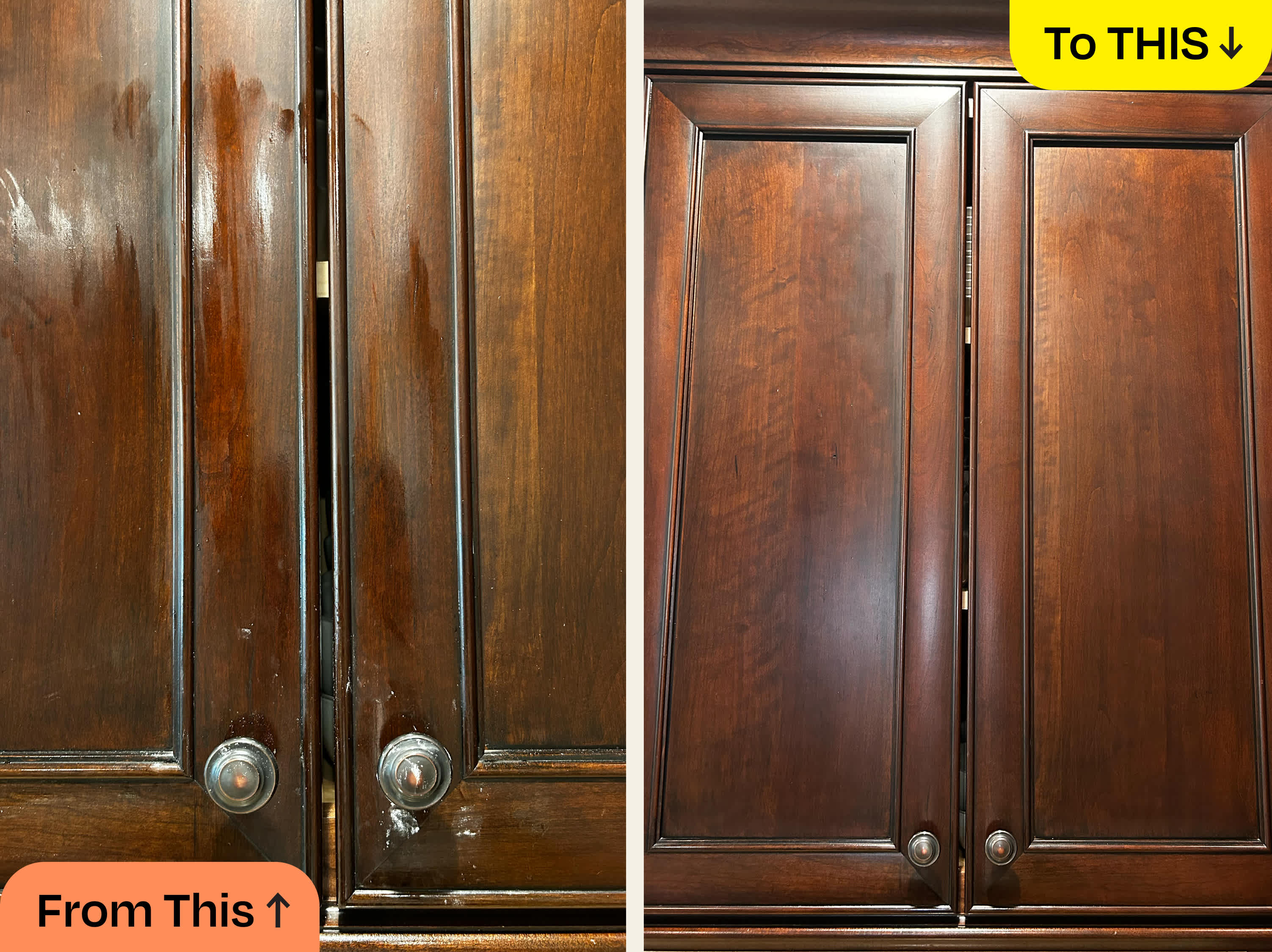
Credit: www.thekitchn.com
Frequently Asked Questions
What Is The Best Cleaner For Greasy Kitchen Cabinets?
The best cleaner for greasy kitchen cabinets is a degreasing solution. It effectively breaks down oil and grime without damaging surfaces. Natural options include vinegar and baking soda, while commercial degreasers offer quick, powerful cleaning for stubborn grease.
Can Natural Products Clean Greasy Kitchen Cabinets?
Yes, natural products like vinegar, baking soda, and lemon juice can clean greasy kitchen cabinets. They break down grease safely and are eco-friendly. These options are gentle on surfaces and affordable, making them popular for regular kitchen maintenance.
How Often Should I Clean Greasy Kitchen Cabinets?
Clean greasy kitchen cabinets every 1 to 2 weeks to prevent buildup. Regular cleaning keeps cabinets looking fresh and extends their lifespan. Frequent wiping with a mild cleaner helps maintain hygiene and avoid tough grease stains.
Are Commercial Degreasers Safe For Kitchen Cabinets?
Most commercial degreasers are safe if used as directed. Choose products labeled for kitchen use and test on a small area first. Avoid harsh chemicals that can damage finishes. Always rinse thoroughly after cleaning for best results.
Conclusion
Cleaning greasy kitchen cabinets needs the right product. Choose one that cuts grease without harming surfaces. Natural cleaners work well and keep cabinets safe. Regular cleaning stops grease buildup and keeps cabinets fresh. Simple tools like soft cloths help avoid scratches.
Clean cabinets make your kitchen look bright and neat. A good cleaner saves time and effort. Keep cabinets clean to enjoy a tidy kitchen every day.