
Are you tired of digging through a messy pile of plastic food storage containers every time you need one? You’re not alone.
When your containers are all over the place, it wastes your time and adds unnecessary stress to your day. Imagine opening your cupboard and instantly finding the right lid and container, perfectly stacked and ready to use. You’ll discover simple, effective ways to organize your plastic food storage containers so your kitchen feels more spacious and your daily routine becomes smoother.
Keep reading to transform your clutter into calm.
Sort Containers By Size And Shape
Sorting plastic food storage containers by size and shape helps keep your kitchen neat and saves space. Grouping similar containers together makes it easy to find the right one quickly. It also prevents mismatched lids and containers from cluttering your shelves.
Start by gathering all your containers in one place. Lay them out on a flat surface for better visibility. Separate round, square, and rectangular containers into different piles. Then, sort each pile by size, from small to large.
Group Containers With Matching Lids
Keep containers and lids together to avoid losing pairs. Stack containers inside each other by size. Store lids vertically in a box or organizer to save space. This way, lids stay visible and easy to access.
Stack Containers To Save Space
Nest smaller containers inside larger ones to reduce clutter. Avoid mixing different shapes in one stack. Use shelves or drawer dividers to keep stacks stable. This method makes your storage area look tidy and organized.
Label Containers For Quick Identification
Use labels to mark container sizes or shapes. Write simple notes like “small round” or “large square.” Labels help everyone in the household find containers fast. They also remind you where each container belongs.
Match Containers With Their Lids
Matching your plastic food storage containers with their lids can save you a lot of time and frustration. Nothing feels more annoying than digging through a pile of containers trying to find the right lid. Keeping lids and containers paired neatly helps maintain order and keeps your kitchen drawer or cabinet clutter-free.
Start by grouping containers and lids according to their sizes and shapes. Stack containers of the same size together, and do the same for the lids. This simple step makes it easier to find pairs quickly without rummaging through everything.
Try using a separate bin or drawer organizer to hold lids sorted by shape or size. This prevents lids from scattering everywhere and saves you from the headache of mismatch searches.
Use Clear Storage Bins To Keep Pairs Together
Clear bins allow you to spot containers and lids at a glance. You can nest containers inside each other to save space and place lids flat or upright in the same bin.
I once used a large clear bin to hold all my square containers with their lids. It was a game changer — no more lid hunts, and everything stayed tidy.
Label Containers And Lids For Easy Identification
Labeling helps if you have a wide variety of sizes and shapes. Use a simple sticker or a permanent marker to write the container size on the lid or container edge.
This trick is especially useful if you share your kitchen or have many similar-looking containers. It speeds up matching and keeps everyone on the same page.
Consider Using Lid Clips Or Bands To Secure Pairs
Keeping lids and containers physically linked can prevent separation. Small silicone bands or clips can hold lids to their matching containers, so you never lose track of pairs.
Have you ever tossed a container into a cabinet only to find the lid missing later? Using clips stops that problem before it starts.
Regularly Purge Unmatched Or Worn Containers
Over time, containers can get damaged or lose lids. Set a routine to check and discard any containers or lids that no longer have a match.
This habit keeps your storage system efficient and prevents clutter buildup. Ask yourself: do I really need to keep this lonely container?
Use Vertical Storage Solutions
Use vertical storage solutions to neatly arrange your plastic food containers. Stack containers and lids separately to maximize space. This method keeps your kitchen organized and makes finding the right container easy.
Organizing plastic food storage containers can be a daunting task, especially when you find them scattered across your kitchen cabinets. Embracing vertical storage solutions can transform this chaos into a streamlined, efficient system. Not only does it maximize space, but it also makes finding the right lid a breeze.
Utilize Stackable Bins And Baskets
Stackable bins and baskets are lifesavers. They allow you to neatly pile up containers and lids, saving valuable cabinet space. Opt for clear bins so you can quickly see what’s inside, reducing the time you spend searching for that one elusive lid.
Install Adjustable Shelves
Adjustable shelves give you flexibility. You can customize the height between shelves to accommodate different sizes of containers. This ensures every inch of your cabinet is utilized, preventing any wasted space.
Incorporate Tension Rods
Tension rods are versatile tools in kitchen organization. By placing them vertically, you can create custom slots for your lids. This keeps them upright and easy to access, preventing them from getting lost in the shuffle.
Use Over-the-door Organizers
Over-the-door organizers are perfect for small kitchens. They add extra storage without taking up any counter or cabinet space. Simply hang them on the inside of a cabinet door to store lids or even small containers.
Try Pegboard Systems
Pegboard systems aren’t just for garages. Mount a pegboard inside a cabinet or pantry door and use hooks to hang your containers and lids. This keeps everything visible and within arm’s reach.
Consider Pull-out Drawer Systems
Pull-out drawers make accessing containers effortless. They slide out smoothly, allowing you to see and reach all your containers without unstacking them. This reduces clutter and keeps your kitchen looking tidy. Have you ever considered how much time you waste searching for the right container or lid? By implementing vertical storage solutions, you not only save time but also create a more organized and efficient kitchen. What changes will you make today to reclaim your kitchen space?

Credit: food52.com
Stack Containers Efficiently
Stacking plastic food storage containers efficiently saves space and keeps your kitchen tidy. Proper stacking helps you find lids and containers quickly. It also prevents containers from getting damaged or lost. Organizing containers by size and shape makes stacking easier and more stable.
Match Containers And Lids By Size
Group containers with their matching lids before stacking. This avoids searching through piles later. Store lids separately if needed, but keep them near their containers. Use a clear bin or basket to hold lids upright and visible.
Nest Smaller Containers Inside Larger Ones
Place smaller containers inside larger containers to save space. Nesting reduces clutter and keeps containers together. Ensure containers are completely dry before nesting to avoid mold or odors.
Stack Containers With Lids On
Stack containers with lids on for stability. Lids keep containers from sliding off each other. This method also protects containers from dust and dirt.
Use Vertical Dividers For Organization
Vertical dividers help keep stacks neat and separated. They prevent containers from tipping over. Use adjustable dividers inside cabinets or drawers for flexible storage.
Label Containers For Easy Identification
Label containers by size or type to speed up finding the right one. Use simple labels on lids or sides. This keeps your system organized and saves time.
Label Containers And Lids
Labeling your plastic food storage containers and lids can save you a lot of time and frustration. Without clear labels, it’s easy to lose track of which lid fits which container or what’s inside each box. Taking a few moments to label both parts keeps your kitchen organized and your food fresher.
Choose The Right Labeling Tools
Start with labels that stick well but are easy to remove when needed. Waterproof labels or masking tape with a permanent marker work great. Avoid labels that peel off quickly or damage the container’s surface.
Consider using color-coded labels to match lids and containers visually. This quick visual cue can help you find pairs without guessing. You might assign red labels to large containers and blue to small ones.
Label Both Containers And Lids
People often label only the container or just the lid, which causes confusion. Labeling both ensures you can quickly identify the right match even when lids and containers are stored separately. Write the container size or contents on both parts for clarity.
If you use a set of similar containers, numbering them and matching the numbers on lids works well. This system eliminates the hassle of trying different lids to find the right fit.
Include Useful Information On Labels
Beyond matching lids and containers, add notes about the contents or date stored. Knowing when you stored leftovers helps prevent food waste. You can even label containers by meal type, such as “Lunch” or “Snack,” to speed up your meal prep.
For frozen items, include thaw-by dates. This small detail keeps your food safe and your freezer organized. You might be surprised how much easier meal planning becomes with clear labels.
Repurpose Drawer Organizers
Repurposing drawer organizers is a smart way to tame the chaos of plastic food storage containers. These organizers, designed to separate utensils and small kitchen tools, can easily fit into cabinets or drawers holding your containers and lids. Using them creatively helps keep everything visible and accessible, reducing the frustration of hunting for the right lid or container.
Choose The Right Size And Shape
Not all drawer organizers will fit perfectly in your storage space or match the shapes of your containers. Measure your drawer or cabinet area first. Look for adjustable organizers or ones with compartments that suit both small lids and larger containers.
Plastic containers come in many sizes, so having different compartment sizes in your organizer makes a big difference. Smaller sections can hold lids, while larger ones keep containers upright and separated.
Separate Lids From Containers
Mixing lids and containers in one pile creates clutter quickly. Use the organizers to keep lids separate from containers. This saves time and reduces mess.
You can dedicate one or two organizer compartments just for lids. Stack them vertically or horizontally depending on the space. Containers can be placed side by side in larger sections.
Label Compartments For Quick Access
Labels make your system even more efficient. You can add simple labels to each compartment indicating what goes where, such as “Small Lids,” “Medium Containers,” or “Glass Containers.”
Labels help everyone in your household find and return containers and lids properly. This keeps your system consistent and clutter-free for longer.
Maximize Vertical Space
Drawer organizers aren’t just for drawers. You can place them in cabinets or on shelves to create vertical layers. This way, you don’t have to stack containers on top of each other.
Using vertical space helps prevent containers from getting stuck or damaged. It also makes it easier to pull out exactly what you need without disturbing the entire stack.
Keep Similar Items Together
Grouping containers by type or size inside the organizer improves your efficiency. For example, keep all round containers in one section and rectangular ones in another.
This organization makes it easier to grab a matching set and puts an end to mismatched lids and containers cluttering your kitchen.
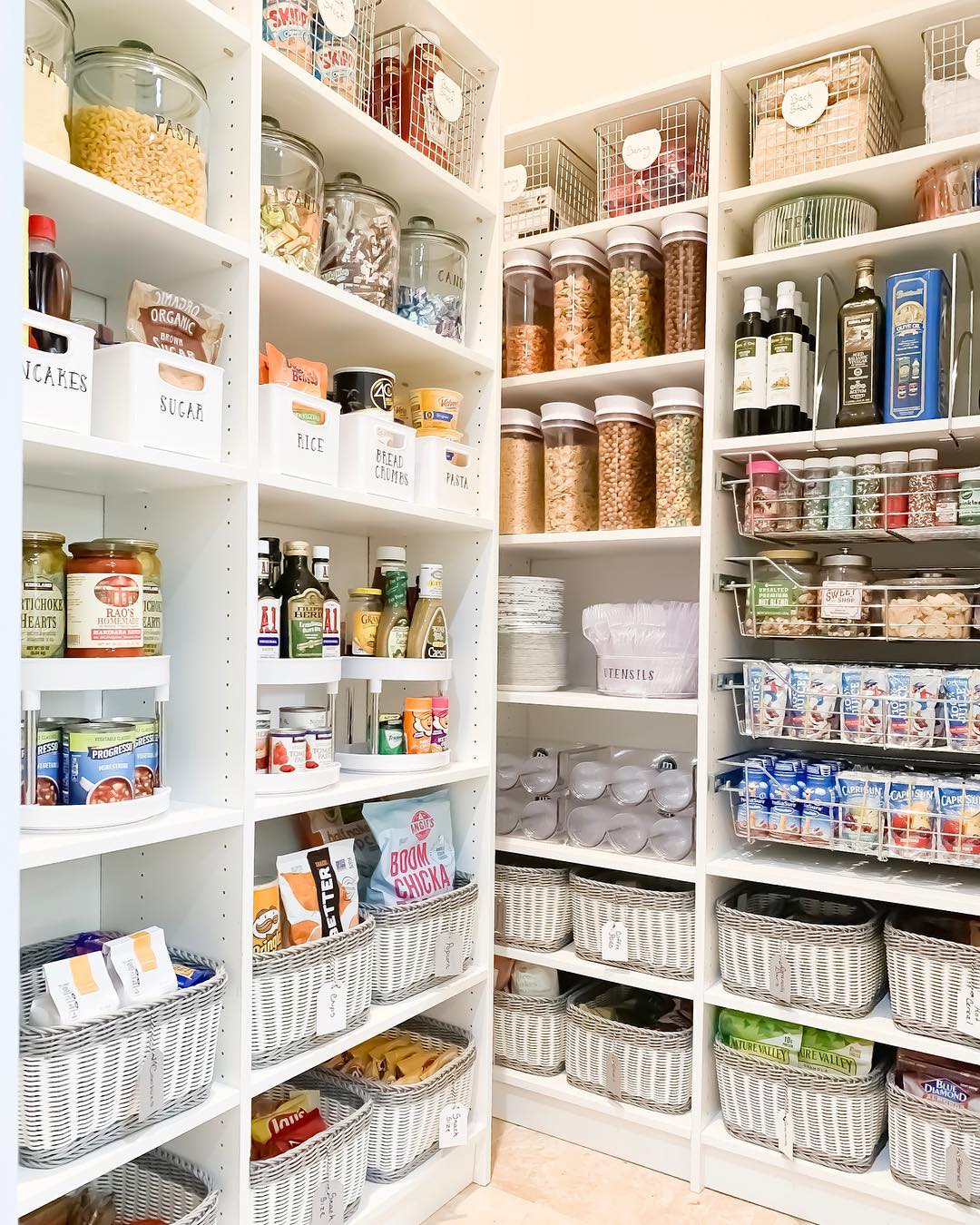
Use Clear Bins For Grouping
Using clear bins for grouping plastic food storage containers simplifies organization. Clear bins let you see the contents at a glance. This saves time and reduces frustration when searching for lids or containers.
Grouping containers in clear bins keeps similar items together. It creates a neat and tidy space. This method also protects containers from getting lost or damaged.
Choose Bins That Fit Your Space
Select clear bins that match your cabinet or shelf size. This maximizes storage without wasting space. Stacking bins can help use vertical space efficiently.
Sort Containers By Type And Size
Group containers by shape, size, or purpose. Keep lids separate or nest containers inside each other. Clear bins make it easy to spot the correct container quickly.
Label Each Bin Clearly
Add simple labels to each bin for faster access. Use words or pictures for easy recognition. Labeling reduces the time spent searching for the right container.
Credit: www.extraspace.com
Declutter And Donate Unused Sets
Decluttering and donating unused plastic food storage containers clears space and helps others. Many people have sets they never use. These sets take up valuable kitchen room and cause clutter. Sorting through containers allows you to keep only what you need.
Donating unused containers gives them a second life. Someone else can use them for food storage or organization. This reduces waste and benefits the community. It feels good to give items away instead of throwing them out.
Identify Containers You No Longer Use
Look through your collection carefully. Set aside containers that are missing lids or damaged. Group containers you have duplicates of or rarely use. These are good candidates for donation.
Clean Containers Before Donating
Wash each container thoroughly with soap and water. Remove any stains or odors. Dry them completely to avoid mold or mildew. Clean containers are more appealing to donors.
Find Local Donation Centers
Search for food banks, shelters, or community centers nearby. Many accept plastic food containers to help families in need. Call ahead to confirm they accept donations and any rules they have.
Package Containers Neatly
Stack containers by size and keep lids together. Use a box or reusable bag to keep sets organized. Label the package if possible, so donors know what’s inside.
Schedule Drop-off Or Pickup
Arrange a convenient time to deliver your donation. Some centers offer pickup services for large donations. Confirm the details to avoid any confusion.
Maintain Organization With Regular Checks
Maintaining organization with regular checks is key to keeping your plastic food storage containers in order. Without occasional reviews, clutter can sneak back in, making it harder to find what you need. Setting aside time to inspect your collection helps you stay on top of broken lids, mismatched sets, and outdated containers.
Schedule Monthly Reviews
Pick a consistent time each month to go through your containers. This habit prevents buildup of unused or damaged items. Treat it like a quick kitchen check-up—just 10-15 minutes can save you frustration later.
During these reviews, pull out all containers and lids, match them up, and toss anything that’s cracked or no longer seals properly. Keeping only functional pieces keeps your space tidy and ensures your food stays fresh.
Sort By Size And Shape
Regular checks give you a chance to re-sort your containers by size and shape. This makes stacking easier and saves space. You might discover some oddly shaped containers that don’t fit well and can be donated or discarded.
Try grouping similar items together, like small square containers in one bin and large round ones in another. This simple step helps you grab the right container quickly.
Identify Missing Lids
One of the biggest annoyances is missing lids. During your checks, gather all lids separately and match them to containers. If you find lids without containers, consider if you want to keep them or recycle.
Keeping lids and containers paired reduces clutter and frustration. Think about labeling sets to make future matches easier.
Declutter Expired Or Unused Containers
Ask yourself: Have I used this container in the last six months? If not, it might be time to let it go. Old or stained containers take up space and rarely get used.
Donate containers in good condition or recycle those that are damaged. Removing excess items frees up valuable cabinet or drawer space for containers you actually use.
Keep Cleaning Supplies Handy
During regular checks, it’s easy to clean containers before putting them back. Keep a small stash of dish soap, sponges, and drying towels nearby. Clean containers stack better and prevent odors.
Developing this simple cleaning routine ensures your containers stay fresh and ready to use when you need them most.

Credit: www.facebook.com
Frequently Asked Questions
How Can I Easily Organize Plastic Food Containers?
Sort containers by size and shape. Nest smaller ones inside larger lids. Use drawer dividers or clear bins for better visibility. Label stacks for quick access. This keeps your kitchen neat and saves time finding the right container.
What’s The Best Way To Store Container Lids?
Store lids vertically in a separate bin or use a dedicated lid organizer. This prevents clutter and makes lids easier to find. Matching lids with containers becomes faster, ensuring your storage system stays efficient and tidy.
How Do I Prevent Plastic Containers From Smelling?
Wash containers immediately after use with warm, soapy water. Dry thoroughly before storing. Use baking soda or lemon juice to remove stubborn odors. Proper cleaning stops smells and keeps containers fresh for reuse.
Can I Stack Plastic Containers To Save Space?
Yes, stack containers by nesting smaller ones inside larger ones. Place lids separately for easy pairing. Stacking maximizes cabinet space and keeps containers organized, reducing kitchen clutter efficiently.
Conclusion
Organizing plastic food storage containers saves time and space. Keep lids and containers together to avoid frustration. Stack containers by size for easy access. Use clear bins or labels to find items quickly. Regularly check and toss damaged containers. A tidy kitchen makes meal prep easier and faster.
Small changes create big results. Start organizing today for a clutter-free kitchen tomorrow. Simple steps lead to lasting order.