
Looking for the best nonstick skillet can feel overwhelming with so many options out there. You want a pan that heats evenly, cleans easily, and lasts for years.
Imagine cooking your favorite meals without worrying about food sticking or scrubbing endlessly afterward. You’ll discover which nonstick skillet truly stands out from the rest. By the time you finish reading, you’ll know exactly which one fits your kitchen and makes cooking a breeze.
Ready to find your perfect skillet? Let’s dive in.

Credit: www.all-clad.com
Top Nonstick Skillet Features
Choosing the best nonstick skillet involves understanding its top features. These features determine performance, longevity, and ease of use. Let’s explore the key aspects that make a nonstick skillet stand out.
Material Types
Skillets come in various materials like aluminum, stainless steel, and ceramic. Aluminum heats quickly and evenly. Stainless steel is durable and resistant to scratches. Ceramic offers a chemical-free cooking surface. Each material has unique benefits for different cooking needs.
Coating Varieties
Nonstick coatings vary widely. PTFE coatings, commonly known as Teflon, are popular for their slipperiness. Ceramic coatings provide a natural, chemical-free option. Some skillets use a combination of both for enhanced performance. The choice of coating affects the skillet’s cooking efficiency and safety.
Heat Distribution
Even heat distribution is crucial for cooking. A good nonstick skillet ensures uniform heat across the surface. This prevents hotspots and uneven cooking. Materials like copper or aluminum cores help in achieving consistent heat distribution. Look for skillets with thick, multi-layered bases.
Durability Factors
Durability is key for long-lasting use. The skillet’s thickness and material impact its lifespan. A thicker skillet resists warping and maintains its shape. Reinforced coatings increase scratch resistance. Quality construction ensures the skillet withstands daily use without degrading quickly.
Ease Of Cleaning
Cleaning convenience adds to a skillet’s appeal. Nonstick surfaces should release food easily during cleanup. Dishwasher-safe options save time and effort. Some skillets feature a seamless design, minimizing food traps. A well-designed skillet reduces the hassle of post-cooking maintenance.
Best Nonstick Skillets For 2025
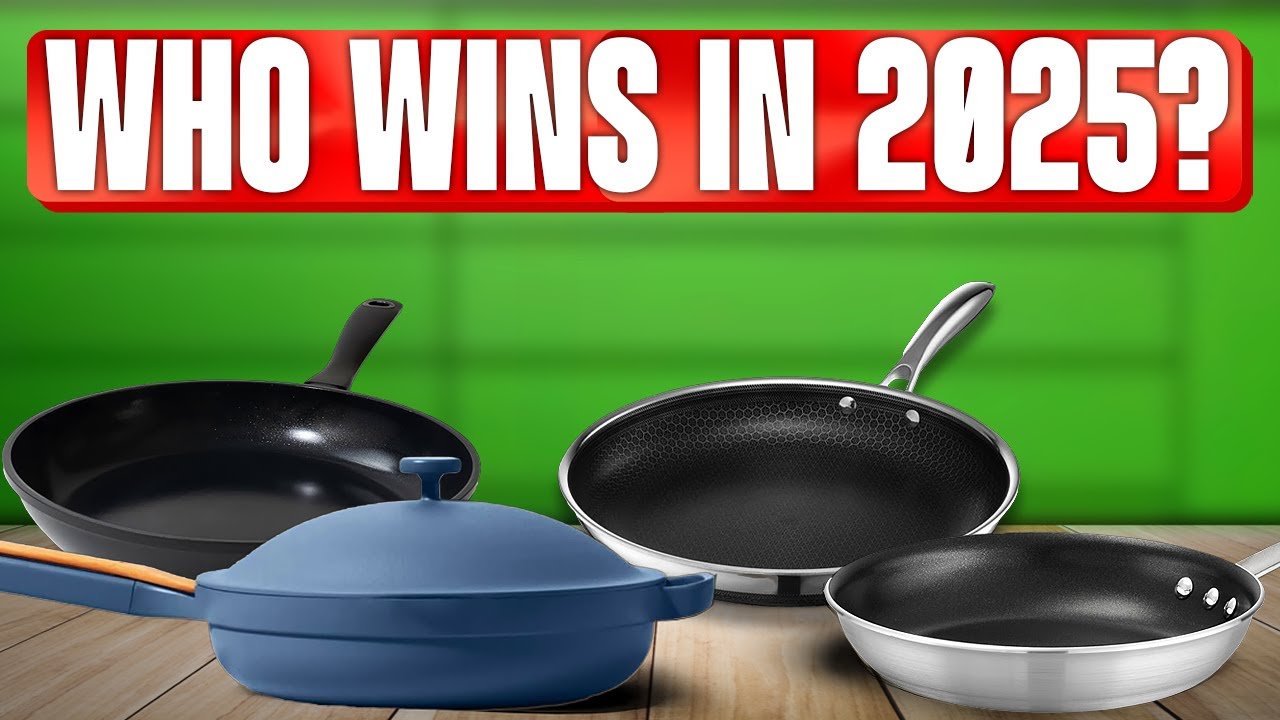
Choosing the best nonstick skillet for 2025 means balancing durability, performance, and your cooking style. With new materials and coatings hitting the market, you have more options than ever. Let’s break down the top picks across different needs to help you find the perfect skillet for your kitchen.
Premium Picks
Premium nonstick skillets offer superior heat distribution and long-lasting coatings. Brands like All-Clad and Scanpan use advanced ceramic or titanium-infused surfaces that resist scratches and maintain nonstick properties over time.
If you want a skillet that handles frequent use without flaking or sticking, these are worth the investment. They often come with ergonomic handles and oven-safe designs, adding versatility.
Budget-friendly Options
You don’t need to spend a fortune to get a reliable nonstick skillet. Brands like T-fal and Cuisinart offer great performance at a fraction of the price.
These skillets work well for everyday meals and require less maintenance. Look for models with reinforced coatings to extend their lifespan without breaking your budget.
Eco-friendly Choices
Eco-conscious cooks will appreciate nonstick skillets made with PFOA-free coatings and recycled materials. GreenPan and Ozeri are leaders in this space, providing safer alternatives without sacrificing quality.
Choosing eco-friendly options means you reduce harmful chemicals in your kitchen and support sustainable manufacturing. Does your cookware align with your values?
Best For Everyday Cooking
For everyday use, you need a skillet that heats evenly and cleans up easily. Skillets with a hard-anodized aluminum base and nonstick coating, like those from Calphalon, fit this bill perfectly.
They’re lightweight, durable, and perfect for quick meals or elaborate dishes. How often do you cook at home? This choice makes your daily routine smoother.
Best For High-heat Use
Not all nonstick skillets handle high heat well. If you like searing or frying at high temperatures, look for options with ceramic or diamond-enhanced coatings.
These withstand higher temperatures without degrading, unlike traditional nonstick surfaces. Brands such as Zwilling and HexClad offer skillets that combine nonstick convenience with the ability to go from stovetop to oven at high heat.
Performance Comparison
Choosing the best nonstick skillet means looking beyond just the surface. How well it performs under everyday cooking conditions is key. Let’s break down the essential performance factors that truly matter when you pick your next skillet.
Nonstick Efficiency
Nonstick coatings vary widely in quality. Some skillets allow food to slide off effortlessly, while others require extra oil or butter. A skillet with excellent nonstick efficiency saves you time cleaning and helps you cook healthier meals with less fat.
Have you ever struggled to flip an omelet without it breaking apart? That’s a clear sign the skillet’s nonstick layer isn’t doing its job. Look for brands that maintain their coating even after months of regular use.
Heat Retention
How well a skillet holds heat affects cooking speed and evenness. Skillets that lose heat quickly force you to cook longer or at higher temperatures, risking burnt food. Good heat retention means your skillet stays hot enough to sear meat or sauté vegetables evenly.
Cast aluminum and hard-anodized materials often excel here, providing steady heat without hot spots. Think about how you want to use your skillet: quick stir-fries need different heat behavior than slow-cooked sauces.
Scratch Resistance
Durability matters, especially if you use metal utensils or stack your pans. Some nonstick surfaces scratch easily, reducing their lifespan and performance. Others use reinforced coatings designed to withstand daily wear and tear.
Have you noticed your skillet’s surface peeling or flaking? That’s a red flag. Choosing a skillet with high scratch resistance saves you money and frustration in the long run.
Weight And Handling
Heavy skillets often signal durability but can tire your wrist quickly. Lightweight options are easier to maneuver but might sacrifice sturdiness. Your ideal skillet balances weight with comfortable handling.
Consider how you cook: do you flip food often or prefer slow stirring? A skillet that feels natural in your hand improves control and reduces accidents. Testing the grip and weight before buying can make all the difference.

Credit: www.amazon.ca
Safety And Health Considerations
Choosing the best nonstick skillet involves more than just performance and price. Safety and health are key factors to consider. Some nonstick coatings may release harmful chemicals when overheated. Understanding these concerns helps you pick a safer skillet for daily cooking. Proper care also extends the skillet’s life and keeps your food healthy.
Chemical-free Coatings
Many brands now offer chemical-free nonstick coatings. These use natural materials instead of synthetic chemicals. Ceramic coatings are a popular choice. They contain no harmful substances like PFOA or PTFE. Chemical-free coatings reduce health risks and avoid toxic fumes during cooking. They also tend to be more environmentally friendly.
Pfoa And Ptfe Concerns
PFOA and PTFE are common in older nonstick pans. PFOA was used to make PTFE, also known as Teflon. Both can release toxic fumes if pans overheat above 500°F (260°C). These fumes may cause flu-like symptoms in humans and harm pet birds. Many manufacturers have stopped using PFOA. Still, PTFE remains common in some pans. Always check product labels for these chemicals.
Proper Usage Tips
- Avoid heating empty pans. This prevents overheating and chemical release.
- Use low to medium heat for cooking.
- Do not use metal utensils. Use silicone, wood, or plastic tools.
- Hand wash your skillet with gentle sponges to protect coating.
- Replace pans once the coating shows signs of wear or peeling.
Maintenance Tips
Keeping your nonstick skillet in top shape means paying close attention to how you clean, store, and care for it. Proper maintenance not only preserves its smooth surface but also ensures your skillet performs well for years. Let’s dive into some practical tips that can help you protect your investment every day.
Cleaning Methods
Avoid harsh scrubbing pads or steel wool that can scratch the coating. Instead, use a soft sponge or cloth with warm, soapy water to gently clean your skillet. If food sticks, let the pan soak for a few minutes before wiping it clean.
Dishwashers might seem convenient, but they can wear down the nonstick surface faster. Washing by hand is safer and keeps the skillet looking new. Have you ever noticed residue buildup? Occasionally, wipe the surface with a mixture of baking soda and water to remove stubborn stains without damage.
Storage Advice
Stacking your skillet with other cookware can cause scratches and chips. Use a soft cloth or paper towel between pans if you need to stack them. Hanging your skillet by the handle is a great way to avoid damage and save kitchen space.
Store your skillet in a dry place to prevent moisture-related issues like rust on the metal parts. How often do you check your kitchen storage conditions? A little attention here can save you from costly replacements.
Extending Skillet Lifespan
Heat your skillet gradually rather than blasting it on high heat immediately. Sudden temperature changes can warp the pan and ruin the nonstick coating. Consider seasoning your skillet occasionally with a small amount of oil to maintain its slick surface.
Use wooden, silicone, or plastic utensils instead of metal ones to avoid scratching. This simple habit can make a huge difference in how long your skillet stays nonstick. Have you tried adjusting your cooking tools for better skillet care?
User Reviews And Ratings
User reviews and ratings offer a real glimpse into how a nonstick skillet performs over time. They reveal practical insights you won’t find in product descriptions. Listening to other buyers helps you avoid surprises and find a skillet that truly fits your cooking style.
Customer Favorites
Many users praise nonstick skillets that heat evenly and clean easily. Skillets like the T-fal Ultimate Hard Anodized and the GreenPan Valencia have earned top marks for durability and performance. Customers often highlight the ease of flipping eggs or cooking pancakes without sticking.
One user mentioned how their GreenPan skillet stayed scratch-free even after months of using metal utensils. This shows that some skillets can handle everyday wear better than you might expect.
Common Complaints
Some users report that the nonstick coating wears off quicker than advertised. This is a frequent issue with cheaper models or those not cared for properly. Scratches and peeling coatings are typical complaints that shorten the skillet’s lifespan.
Others note uneven heating as a problem, which can cause food to cook inconsistently. Have you ever noticed hot spots on your skillet? That’s a sign the pan may not distribute heat well, impacting your cooking results.
Expert Opinions
Professional chefs often recommend skillets with ceramic or hard-anodized coatings for durability. They emphasize the importance of using the right utensils and proper cleaning methods to extend the life of the nonstick surface. Experts suggest avoiding high heat, which can degrade the coating quickly.
Experts also point out that price reflects quality in many cases. Investing in a trusted brand usually means better performance and longer-lasting nonstick properties. Would you rather replace your skillet every year, or choose one that performs reliably for several years?
Credit: www.youtube.com
Frequently Asked Questions
What Materials Make The Best Nonstick Skillet?
The best nonstick skillets use hard-anodized aluminum or stainless steel with a high-quality nonstick coating. These materials ensure even heat distribution and durability. They also resist scratches and make cooking and cleaning easy.
How To Choose A Durable Nonstick Skillet?
Choose skillets with reinforced coatings like ceramic or titanium. Look for heavy-gauge construction for even heating. Also, check for scratch-resistant features and dishwasher safety to ensure long-lasting use.
Are Ceramic Nonstick Skillets Better Than Traditional Ones?
Ceramic skillets offer a chemical-free, eco-friendly nonstick surface. They tolerate higher heat but may wear faster than traditional PTFE coatings. Choose based on your cooking style and preference for durability or safety.
Can I Use Metal Utensils On Nonstick Skillets?
Generally, metal utensils can damage nonstick coatings. Use wooden, silicone, or plastic utensils to prolong skillet life. Some skillets have metal-safe coatings, but it’s best to avoid metal tools for durability.
Conclusion
Choosing the best nonstick skillet depends on your cooking needs. Consider the size, material, and coating quality carefully. A good skillet saves time and makes cooking easier. It helps food cook evenly without sticking. Cleaning up becomes quick and simple.
Investing in a reliable skillet improves your kitchen experience. Take your time to pick one that fits your style. Enjoy cooking with less hassle and better results. Your kitchen deserves the best tools for every meal.