
Are you tired of a cluttered pantry where finding what you need feels like a scavenger hunt? Imagine opening your pantry and instantly spotting every item, with everything neatly in its place.
You can create this kind of organized space all by yourself. With simple steps and a little creativity, your pantry can become a model of efficiency and style. Keep reading to discover easy, practical ideas that will transform your pantry storage and make your daily routine smoother and more enjoyable.
Your perfect pantry is just a few DIY tips away!
Credit: www.hgtv.com
Planning Your Pantry Layout
Planning your pantry layout is the foundation of effective DIY pantry storage. A well-thought-out plan helps you maximize space, keep items accessible, and reduce clutter. Taking time to design your pantry before adding shelves or containers saves you from costly mistakes and frustration later on.
Assessing Available Space
Start by looking closely at your pantry’s size and shape. Is it a narrow closet, a walk-in, or just a cabinet? Knowing the exact space you have helps you decide what kind of storage solutions will fit best.
Check for any obstacles like light switches, vents, or uneven walls. These details affect what you can add and where.
Have you noticed how wasted corners or awkward nooks can turn into hidden storage spots? Identifying those areas early makes a big difference.
Choosing Storage Zones
Think about how you use your pantry daily and group items by function or frequency of use. Create zones like baking supplies, canned goods, snacks, and bulk items.
Keep everyday essentials at eye level or within easy reach. Reserve higher or lower shelves for less-used items.
Would it help to have a dedicated space for meal prep ingredients or kid-friendly snacks? Defining zones keeps your pantry organized and saves time.
Measuring For Custom Fits
Take precise measurements of your pantry width, height, and depth. Don’t forget to measure inside cabinets and between any obstructions.
Write down these numbers and double-check them before buying shelves or containers. Custom-fit solutions prevent wasted space and improve stability.
Have you ever bought a shelf that was just a bit too wide or too deep? That small difference can cause a lot of hassle during installation.

Credit: www.birchlandinghome.com
Essential Tools And Materials
Gathering the right tools and materials is the first step to creating a pantry storage solution that lasts. You don’t need a full workshop; just a few essential items can help you build smart, sturdy storage. Knowing what to use and how to stay safe will make your DIY project smooth and enjoyable.
Basic Tools For Diy Storage
Start with tools that are easy to handle and versatile. A cordless drill is a must-have for drilling holes and driving screws quickly. A measuring tape ensures your shelves and containers fit perfectly in your pantry space.
Other helpful tools include a level to keep shelves straight and a saw for cutting wood or plastic boards to size. If you don’t own all these, check if you can borrow from a neighbor or rent them. This saves money and avoids clutter.
Affordable Materials To Use
Look for materials that combine durability with budget-friendly prices. Plywood and MDF boards are great choices for shelves and dividers because they’re sturdy and easy to work with. Clear plastic bins help keep food visible and organized, reducing waste.
Recycled crates or wooden pallets can add a rustic touch without breaking the bank. Don’t overlook inexpensive hardware like screws, brackets, and hooks—they hold everything together and make your pantry flexible. What materials do you already have that could be repurposed?
Safety Tips For Diy Projects
Safety should always come first, especially when using power tools or sharp objects. Wear protective gear like gloves and safety glasses to shield yourself from splinters and debris. Work in a well-ventilated area to avoid inhaling dust.
Keep your workspace clean and organized to prevent accidents. Never rush—take your time to measure and cut carefully. Have a first aid kit nearby just in case, and make sure you know how to handle your tools properly before starting.
Creative Storage Solutions
Organizing your pantry can feel like a daunting task. Creative storage solutions make the process manageable and even fun. These solutions not only enhance the look of your pantry but also improve functionality. Let’s explore some practical ideas.
Using Clear Containers And Labels
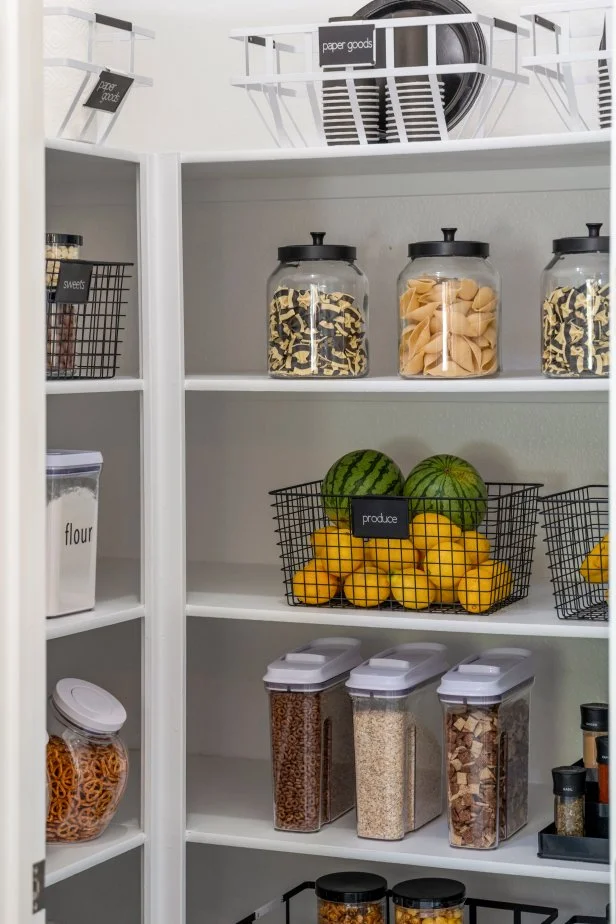
Clear containers are a must-have for pantry organization. They let you see what’s inside at a glance. This saves time when searching for ingredients. Choose containers with tight lids to keep food fresh.
Labels add another layer of organization. They help identify contents quickly. Use a label maker or simple stickers. Ensure the labels are large and easy to read. This will make your pantry user-friendly for all family members.
Installing Adjustable Shelves
Adjustable shelves offer flexibility. They allow you to customize the space based on your needs. You can adjust the height to fit different items. This makes it easy to store large cereal boxes or small spice jars.
Installation is simple and requires basic tools. Many systems are available at home improvement stores. They provide a neat and tidy look to your pantry. More importantly, they maximize storage space efficiently.
Repurposing Household Items
Old items can find new life in your pantry. Use baskets to group similar items together. This keeps everything organized and accessible.
Consider using magazine holders for canned goods. They stack neatly and save space. Egg cartons can hold small items like sauce packets or tea bags. Repurposing saves money and reduces waste.
Maximizing Vertical Space
Using vertical space in your pantry can transform a cramped area into a well-organized haven. It lets you store more without making your pantry look cluttered. Have you noticed how much unused space exists above eye level or behind doors? Tapping into these areas can free up shelves and countertops for items you use daily.
Wall-mounted Racks And Hooks
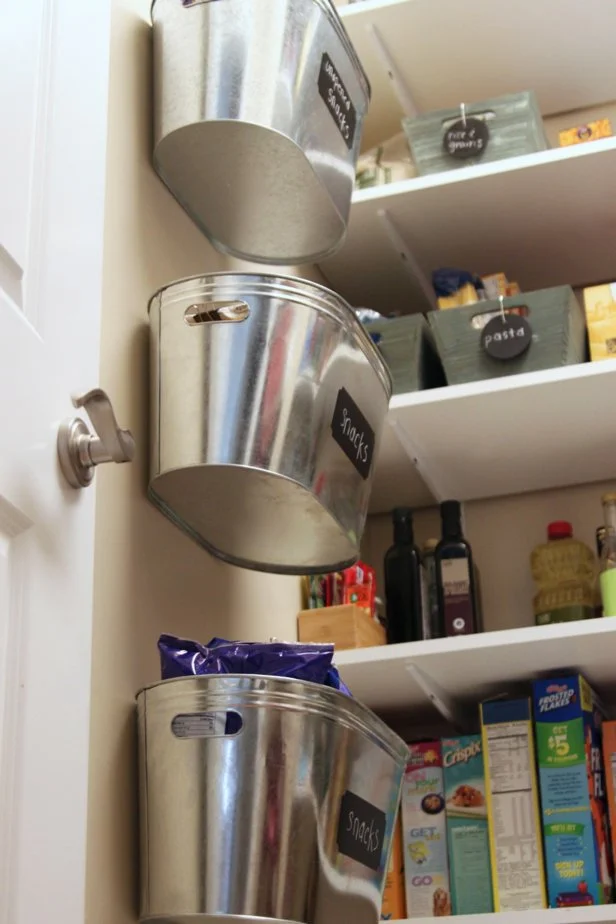
Wall-mounted racks and hooks turn empty wall space into valuable storage. They work great for hanging utensils, small baskets, or spice racks. I once added a few hooks on my pantry wall and instantly created a spot for my measuring cups and oven mitts—no more digging through drawers.
These fixtures keep frequently used items in sight and easy to grab. You can also hang baskets to hold snacks or produce, making everything easy to reach. Consider using adhesive hooks if you want to avoid drilling holes.
Over-the-door Organizers
Don’t overlook the back of your pantry door. Over-the-door organizers offer multiple pockets or shelves to store smaller items like packets, jars, or cleaning supplies. I keep extra tea bags and spice mixes in mine, which cleared up a whole shelf.
They’re especially useful if your pantry is narrow or has limited shelving. These organizers can be easily removed or swapped out, making them a flexible storage option. Would you be surprised how much space is hiding right behind your door?
Stackable Bins And Drawers
Stackable bins and drawers let you build upward without losing access to items at the bottom. Clear bins work well because you can see what’s inside without moving everything around. I use stackable drawers for snacks and baking supplies, which keeps similar items grouped and easy to find.
Label each bin or drawer to save time searching. They also help separate categories, so your pantry stays tidy. What if you could double your pantry’s capacity just by stacking smarter?
Organizing By Category
Organizing your pantry by category helps create a clear, easy-to-navigate space. Grouping items by type saves time and reduces mess. It also helps keep track of your supplies and avoids buying duplicates.
Grouping Similar Items
Start by sorting pantry items into groups. Place all canned goods together, like beans, soups, and vegetables. Keep dry goods such as pasta, rice, and grains in one section. Use clear containers to store loose items for better visibility.
Label each group for quick identification. This way, you can find what you need fast and keep the pantry tidy.
Creating Snack Stations
Set up a dedicated snack area for quick access. Include items like crackers, nuts, granola bars, and dried fruits. Use baskets or bins to hold smaller packages together.
Keep healthy snacks at eye level to encourage better choices. This station helps kids and adults grab snacks without making a mess.
Setting Up Baking Zones
Designate a baking zone for all related ingredients. Store flour, sugar, baking powder, and spices in one place. Use airtight containers to keep these fresh and easy to measure.
Include baking tools like measuring cups and mixing bowls nearby. This setup speeds up baking preparation and keeps everything organized.
Credit: www.hgtv.com
Maintaining Your Pantry
Maintaining your pantry keeps it clean and organized. A well-kept pantry makes cooking easier and reduces food waste. Simple habits help your pantry stay neat and functional over time.
Regular Cleaning Tips
Clean your pantry shelves at least once a month. Remove all items before wiping surfaces with a damp cloth. Use mild soap and water for sticky spots. Let shelves dry completely before replacing items. Check for crumbs or spills to prevent pests. Clean containers and jars regularly to keep them fresh.
Rotating Stock Efficiently
Place new items behind older ones. Use older products first to avoid expiration. Group similar items together for easy access. Label shelves or containers with dates if possible. Keep an eye on expiry dates weekly. This reduces waste and keeps your pantry stocked smartly.
Adapting Storage Over Time
Adjust your storage as your needs change. Add or remove containers to fit your shopping habits. Change shelf arrangements to fit new items or sizes. Use stackable bins to save space. Keep evaluating your pantry layout every few months. This keeps your pantry useful and easy to use.
Frequently Asked Questions
What Are The Best Materials For Diy Pantry Storage?
The best materials include wood, clear acrylic, and metal baskets. These offer durability and easy maintenance. Choose materials that suit your pantry’s style and budget. Clear containers help quickly identify contents. Wood adds a natural touch and sturdiness.
How Can I Maximize Space In A Small Pantry?
Use vertical shelving and stackable containers to maximize space. Install door racks for extra storage. Label containers for quick access. Remove unused items regularly to keep the pantry clutter-free. Use slim baskets to organize narrow spaces efficiently.
What Are Easy Diy Pantry Storage Ideas?
Use mason jars, tiered shelves, and labeled bins. Repurpose old crates as stackable shelves. Add hooks inside pantry doors for hanging utensils. Clear containers help maintain order and visibility. Customize storage to fit your pantry’s size and needs.
How Do I Keep Pantry Items Fresh Longer?
Store dry goods in airtight containers to keep moisture out. Keep pantry cool and dry to prevent spoilage. Label items with purchase dates for easy rotation. Use clear containers to spot expired goods quickly. Avoid storing food near heat sources.
Conclusion
DIY pantry storage helps keep your kitchen neat and tidy. It saves money and lets you use your space well. Simple tools and ideas can make a big difference. Organize cans, jars, and snacks in easy-to-see spots. You will find what you need quickly every time.
Small changes create a clean, calm cooking area. Start today and enjoy a clutter-free pantry tomorrow. Your kitchen will feel more open and ready for cooking. Easy, smart storage brings joy to your daily routine.