
You rely on your microfiber cleaning cloth to keep surfaces spotless and streak-free. But are you sure you’re taking care of it the right way?
If you want your cloth to last longer and work better every time, knowing how to clean and maintain it is key. Keep reading to discover simple tips that will save you money, protect your cloth, and make your cleaning routine easier than ever.
Your microfiber cloth deserves the best care—and you deserve the best results.

Credit: www.reddit.com
Choosing The Right Microfiber Cloth
Choosing the right microfiber cloth is key to making your cleaning routine effective and hassle-free. Not all microfiber cloths are the same, and picking the right one can save you time and effort. You want a cloth that matches the surface and task to get the best results without causing damage.
Different Types Of Microfiber Cloths
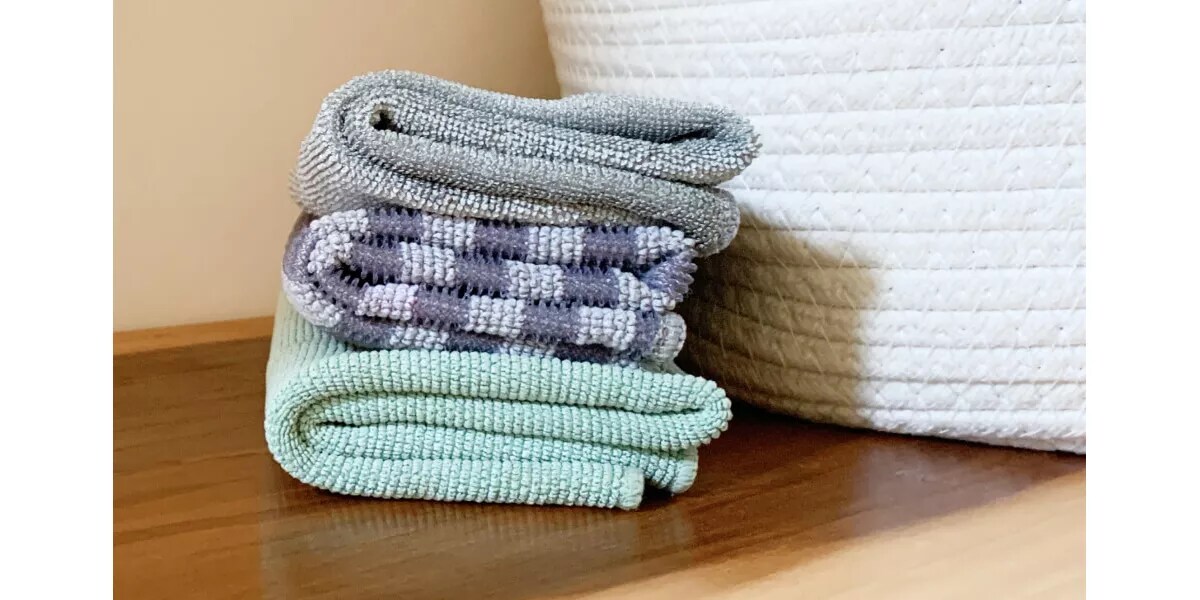
Microfiber cloths come in various textures and weaves. Some have a plush, thick feel, ideal for dusting and polishing delicate surfaces. Others feature a tighter weave, which works great for scrubbing and removing stubborn dirt.
There are also specialized microfiber cloths designed for specific tasks, like glass cleaning cloths that leave no streaks or heavy-duty cloths for automotive detailing. Knowing these types helps you pick the right one for your needs.
Selecting Based On Cleaning Needs
Think about what you want to clean. Are you wiping down kitchen counters, cleaning your car, or dusting electronics? Each task benefits from a different type of microfiber cloth.
- For delicate surfaces:Choose a soft, plush cloth that won’t scratch.
- For heavy-duty cleaning:Pick a cloth with a tighter weave and higher absorbency.
- For glass and mirrors:Use lint-free microfiber designed to prevent streaks.
Have you noticed how certain cloths just glide over surfaces while others feel rough? That difference can impact your cleaning success. Selecting the right cloth means less effort and better results every time.
Credit: www.maytag.com
Proper Washing Techniques
Proper washing techniques keep microfiber cleaning cloths effective and long-lasting. These cloths trap dirt and grime with tiny fibers that need gentle care. Washing them correctly avoids damage and maintains their absorbency and softness.
Using Suitable Detergents
Choose mild detergents without harsh chemicals. Detergents with no added fragrances or dyes work best. Harsh detergents can clog fibers and reduce cleaning power. Use a small amount of detergent to avoid residue buildup. Always rinse cloths well after washing.
Avoiding Fabric Softeners And Bleach
Fabric softeners coat microfiber fibers, making them less absorbent. Bleach breaks down fibers and shortens cloth life. Skip these products to keep cloths soft and effective. Instead, let cloths air dry or use low heat in the dryer.
Washing Machine Vs Hand Washing
Washing machines clean microfiber cloths well but use gentle cycles. Avoid mixing with linty fabrics like cotton towels. Hand washing is gentle and extends cloth life. Use warm water and mild detergent. Rinse thoroughly to remove all soap.
Drying Microfiber Cloths
Drying your microfiber cloths properly is key to keeping them effective and long-lasting. How you dry them affects their texture, absorbency, and ability to clean without streaks. Let’s dive into two popular drying options and what you should keep in mind for each.
Air Drying Methods
Air drying is one of the gentlest ways to dry microfiber cloths. Simply hang your cloths in a well-ventilated area, away from direct sunlight, which can degrade the fibers over time.
Try using a clothesline or a drying rack indoors if the weather isn’t great. This method preserves the cloth’s softness and prevents shrinkage.
Have you noticed how some cloths feel stiff after air drying outside? That often happens if they’re left in the sun too long or if the air is too humid. Finding the right spot can make a big difference.
Using A Dryer Safely
You can use a dryer, but caution is necessary. Set the dryer to a low or no-heat setting to avoid melting the fine fibers.
Avoid using dryer sheets or fabric softeners—they leave residues that clog microfiber’s tiny spaces, reducing its cleaning power.
Consider tossing in a few clean tennis balls or dryer balls. They help keep the cloths fluffy and prevent clumping without harming the material.
Have you tried drying microfiber with heat before? If so, you might have noticed a change in how it performs. Keeping heat low protects your investment and keeps your cloths working their best.
Storage Tips For Longevity
Microfiber cleaning cloths are a staple in maintaining a clean home. Proper storage ensures their longevity and effectiveness. Implementing simple storage methods can extend their lifespan significantly. Learn how to store these cloths to keep them clean and ready for use.
Keeping Cloths Clean And Dry
Ensure microfiber cloths are completely dry before storage. Damp cloths can harbor bacteria and mold. Hang them up to air dry after washing. Keep them away from direct sunlight, as it can degrade the fibers.
A dedicated space for drying is ideal. Consider a rack or line in a ventilated area. This prevents moisture build-up and maintains the cloth’s integrity.
Organizing For Easy Access
Store cloths in a designated drawer or container. This keeps them organized and easy to find. Use dividers to separate different types or colors. This helps in choosing the right cloth for the job quickly.
Label containers or sections for specific uses. This can include kitchen cleaning, glass polishing, or dusting. It streamlines the cleaning process and prevents cross-contamination.
Common Mistakes To Avoid
Taking care of microfiber cleaning cloths is easy with the right steps. Avoiding common mistakes helps keep them effective and long-lasting. Many people unknowingly reduce the cloths’ quality by doing simple things wrong.
Learning what to avoid saves time and money. It also keeps your cloths soft and absorbent for future use. Here are some common errors to watch out for.
Washing With Lint-producing Fabrics
Microfiber cloths attract lint from other fabrics. Washing them with towels or cotton clothes causes lint buildup. This clogs the fibers and reduces cleaning power.
Always wash microfiber cloths separately. Use gentle detergents without fabric softeners or bleach. This prevents damage and keeps the cloths lint-free.
Overusing Cloths Before Washing
Using microfiber cloths too long between washes harms their performance. Dirt and oils fill the fibers, making them less effective. This also causes bad odors.
Wash microfiber cloths after a few uses. Frequent washing keeps them clean and ready to trap dust and grime. Avoid letting dirt sit on the cloth for days.

Credit: www.esunesun.com
Extending The Life Of Microfiber Cloths
Microfiber cloths are a smart investment for keeping your home spotless, but their performance depends on how well you care for them. Extending the life of microfiber cloths means saving money and reducing waste. With a few simple habits, you can keep your cloths effective and soft for much longer.
Regular Maintenance Routines
After each use, shake out your microfiber cloth to remove loose dirt and debris. This prevents particles from embedding deeper into the fibers during washing.
Wash microfiber cloths separately or with other non-linting fabrics. Avoid using fabric softeners or bleach, as these can damage the fibers and reduce absorbency.
Choose a gentle detergent and wash in warm water. High temperatures can break down the fibers, so keep your washing machine on a moderate setting.
Air dry your cloths or tumble dry on low heat. High heat can melt the microfibers and ruin their texture.
Signs To Replace Your Cloth
Not all microfiber cloths last forever. If you notice your cloth is losing its softness or becomes stiff and scratchy, it’s time for a new one.
When the cloth stops absorbing liquids well or leaves streaks on glass and surfaces, its cleaning ability is compromised.
Visible wear like holes, frayed edges, or thinning fabric signals the cloth won’t clean effectively anymore. Holding on to worn cloths can actually make cleaning harder.
Ask yourself: Is this cloth making your cleaning easier or more frustrating? If it’s the latter, replacing it will save you time and effort.
Frequently Asked Questions
How Often Should I Wash Microfiber Cleaning Cloths?
Wash microfiber cloths after every use to maintain their effectiveness. Frequent washing removes dirt, oils, and bacteria that reduce cleaning power. Use a gentle cycle with mild detergent for best results. Avoid fabric softeners, as they can clog fibers and reduce absorbency.
Can Microfiber Cloths Be Machine Dried Safely?
Yes, microfiber cloths can be machine dried on low heat. High heat can damage fibers and reduce lifespan. Alternatively, air drying is gentle and helps maintain cloth quality. Avoid dryer sheets, as they leave residues that hinder microfiber performance.
What Detergents Are Best For Microfiber Cloth Care?
Use mild, liquid detergents without bleach or fabric softeners. Harsh chemicals can degrade microfiber fibers and reduce cleaning ability. Avoid powdered detergents as they may not dissolve completely. Choose a detergent designed for delicate fabrics to keep cloths effective longer.
Why Should I Avoid Fabric Softeners On Microfiber Cloths?
Fabric softeners coat fibers, reducing microfiber’s ability to trap dirt and liquids. This coating decreases absorbency and cleaning efficiency significantly. Avoid using softeners during washing to maintain cloth performance. Instead, rinse thoroughly with clean water to remove detergent residues.
Conclusion
Taking care of microfiber cloths keeps them soft and long-lasting. Wash them gently with mild soap and avoid fabric softeners. Air dry or use low heat to keep fibers strong. Store cloths in a clean, dry place to prevent dirt buildup.
Clean cloths work better and save money over time. Simple care steps help your cloths stay fresh and useful. Keep these tips in mind for the best cleaning results.