
Your microfiber window cleaning cloth is one of the best tools you have for streak-free, spotless windows. But over time, it can lose its effectiveness, leaving smudges and streaks behind.
Don’t toss it out just yet. You can restore your cloth to its original, powerful cleaning state with a few simple steps. Keep reading, and you’ll discover easy tricks to bring your microfiber cloth back to life, saving you money and giving your windows that crystal-clear shine you love.
Why Restore Microfiber Cloths
Microfiber cloths are essential for cleaning windows without streaks or scratches. Over time, these cloths gather dirt, oils, and residues that reduce their effectiveness. Restoring microfiber cloths brings them back to life, saving money and improving cleaning results. It also helps reduce waste and protects the environment. Understanding why restoration matters encourages regular care and longer use of these cloths.
Benefits Of Reusing
- Saves money by extending cloth life.
- Maintains cleaning performance and streak-free results.
- Reduces plastic waste and landfill burden.
- Supports eco-friendly cleaning habits.
- Prevents the need for frequent replacements.
Common Issues With Dirty Cloths
- Trapped dirt causes scratches on glass surfaces.
- Cloths lose absorbency and cleaning power.
- Oils and residues leave streaks behind.
- Cloths may develop unpleasant odors over time.
- Dirty cloths spread bacteria and germs.
Signs Your Cloth Needs Restoration
Knowing when to restore your microfiber window cleaning cloth is key. Over time, cloths lose their effectiveness. They no longer clean windows well or leave streaks behind. Watch for signs that show your cloth needs freshening up.
Loss Of Absorbency
Microfiber cloths should soak up water and cleaning solutions quickly. If your cloth feels dry or repels water, it has lost absorbency. This happens because dirt and oils clog the fibers. A cloth that does not absorb well won’t clean windows properly.
Visible Stains And Residue
Stains or residue on the cloth are clear signs of wear. Dirt and grime can build up deep in the fabric. Even after washing, these marks may remain. Using a stained cloth can leave streaks and spots on glass surfaces.
Unpleasant Odors
A fresh cloth should smell clean or neutral. Bad smells mean bacteria or mold have grown inside the fibers. Lingering odors show the cloth needs a deep clean or restoration. Using a smelly cloth can also spread odors onto windows.
Basic Cleaning Methods
Keeping your microfiber window cleaning cloth in top shape doesn’t have to be complicated. Basic cleaning methods can bring back its softness and effectiveness quickly. Whether you prefer washing by hand or using a machine, simple steps can extend the life of your cloth and maintain its streak-free performance.
Hand Washing Techniques
Hand washing your microfiber cloth lets you control the cleaning process gently. Start by soaking the cloth in warm water mixed with a small amount of mild detergent. Avoid using bleach or fabric softeners—they can damage the fibers and reduce absorbency.
After soaking for 10 to 15 minutes, gently rub the cloth against itself to loosen dirt and grime. Rinse thoroughly with clean water until no soap remains. Squeeze out excess water without wringing to keep the fibers intact, then lay it flat or hang it to air dry.
Have you noticed how some cloths feel rough after washing? That’s often because harsh scrubbing or improper rinsing leaves detergent residue behind. Take your time rinsing well to avoid this common issue.
Machine Washing Tips
Machine washing is convenient but requires careful settings to protect your microfiber cloth. Use warm water and a gentle cycle to avoid damaging the fibers. Add a mild detergent, and skip bleach or fabric softeners—they can clog the tiny fibers and reduce cleaning power.
Wash your microfiber cloths separately from cotton or lint-shedding fabrics. Lint can stick to the microfiber and make it less effective. Consider using a mesh laundry bag to keep the cloths contained and prevent them from catching on zippers or buttons.
Dry your cloths on a low heat setting or air dry them to maintain softness. High heat can melt the fibers and ruin their texture. Do you know how much longer your cloths last when you avoid high heat drying?

Credit: www.chemicalguys.com
Deep Cleaning For Stubborn Dirt
Stubborn dirt on your microfiber window cleaning cloth can reduce its effectiveness and leave streaks on your glass surfaces. Regular washing might not be enough to fully remove oils, grime, and residues trapped deep within the fibers. To bring your cloth back to life, you need a deeper cleaning approach that targets these tough buildups without damaging the delicate microfiber material.
Using Vinegar And Baking Soda
Vinegar and baking soda are natural, powerful cleaners that work well together to break down stubborn dirt. Start by soaking your microfiber cloth in a mixture of warm water and white vinegar—about one cup of vinegar per gallon of water. The vinegar helps dissolve oils and deodorizes the fabric.
After soaking for 30 minutes, sprinkle baking soda directly on the damp cloth and gently rub it in. Baking soda acts as a mild abrasive to lift dirt without harming the fibers. Rinse the cloth thoroughly with warm water to remove all residue. Have you noticed how such simple household items can restore your cloth’s performance like new?
Soaking In Detergent Solutions
Another effective way to tackle persistent grime is to soak your cloth in a detergent solution designed for deep cleaning. Use a liquid detergent that’s free of bleach and fabric softeners, as these can damage microfiber. Mix a few drops of detergent with warm water and let your cloth soak for at least an hour.
For extra cleaning power, add a small amount of oxygen-based bleach to the solution. This helps remove tough stains and kills bacteria without harsh chemicals. After soaking, rinse your cloth well under running water, squeezing out excess detergent. How often do you think your cloth needs this treatment to stay in top shape?
Avoiding Damage During Cleaning
Keeping your microfiber window cleaning cloth in top shape means handling it with care during cleaning. Damaging the fibers can reduce its effectiveness and lifespan, leaving you frustrated with streaks instead of spotless windows. Let’s look at how you can avoid common pitfalls and protect your cloth while washing it.
Proper Water Temperature
Using the right water temperature is crucial. Hot water can melt or warp the delicate fibers, so stick to warm or cold water instead. Warm water loosens dirt effectively without causing damage, preserving the cloth’s texture and absorbency.
Have you ever tossed your microfiber cloth in hot water only to notice it feels rough afterward? That’s the fabric reacting to heat. Keeping the temperature moderate ensures your cloth stays soft and ready for the next clean.
Detergents To Avoid
Not all detergents are microfiber-friendly. Avoid fabric softeners and bleach, as they can clog the fibers and reduce absorbency. Instead, choose a gentle, liquid detergent without additives.
- Skip detergents with fragrances or dyes that may leave residues.
- Use a small amount of detergent to prevent buildup.
- Rinse thoroughly to remove all soap traces.
Think about how your cloth performs after washing. Does it feel sticky or less effective? That often means detergent residue is still trapped inside. A clean rinse can make a big difference.
Drying Best Practices
Drying your microfiber cloth properly is just as important as washing it. Avoid high heat from dryers or direct sunlight, which can weaken fibers. Instead, air dry or tumble dry on a low heat setting.
Have you noticed your cloth stiffens after drying? That’s usually a sign of overheating or residue buildup. Fluffing the cloth gently after drying can restore softness and maintain its cleaning power.
Credit: www.tiktok.com
Maintaining Cloth Quality Over Time
Rinse microfiber cloths with warm water and mild soap to remove dirt and oils. Avoid fabric softeners to keep fibers effective. Air dry the cloth flat to maintain its texture and cleaning power.
Maintaining Cloth Quality Over Time Preserving the quality of your microfiber window cleaning cloth is crucial for achieving streak-free and sparkling windows. Over time, these cloths can lose their effectiveness if not properly cared for. By adopting simple habits, you can extend the life of your cloth and ensure it remains a reliable cleaning tool.
Storage Tips
Proper storage is key to maintaining the integrity of your microfiber cloth. Keep your cloths in a dry, cool place to prevent mold or mildew from developing. Ensure they are not crumpled up in a drawer or tossed into a corner; instead, hang them or lay them flat to maintain their shape. Consider using a breathable bag or container for storage, allowing air circulation and avoiding moisture buildup. This simple practice can prevent your cloth from gathering dust and dirt, which can compromise its cleaning efficiency.
Regular Cleaning Schedule
Establishing a regular cleaning schedule for your microfiber cloth is essential. Depending on usage, aim to wash them after every few uses. Use mild detergent and avoid fabric softeners, as they can clog the fibers and reduce the cloth’s absorption capability. Wash your cloth separately from other laundry items to prevent lint transfer. Choose a warm water setting for the wash cycle, and air dry them to preserve their texture and effectiveness. Remember, the cleaner your cloth, the better it performs. Are you mindful of how often you clean your microfiber cloth? Regular maintenance not only enhances its longevity but also ensures that your cleaning efforts yield the best results.
When To Replace Your Microfiber Cloth
Knowing when to replace your microfiber window cleaning cloth saves time and keeps surfaces spotless. Over time, cloths lose their effectiveness and can leave streaks or residue. Using a worn-out cloth may cause more harm than good.
Signs of wear are easy to spot with a little attention. Regular inspection helps maintain cleaning quality. Replace the cloth before it starts damaging your windows or wasting cleaning effort.
Visible Wear And Tear
Look for holes, frayed edges, or thinning fabric. These signs mean the cloth cannot clean properly. Dirt and grime stick more to worn fibers. A cloth with visible damage should be replaced quickly.
Persistent Stains And Odors
Some stains and smells resist washing. If your cloth smells bad after cleaning, it may harbor bacteria. Persistent stains reduce the cloth’s ability to clean effectively. Time to get a fresh cloth.
Loss Of Absorbency
A good microfiber cloth absorbs water and cleaning solution well. If your cloth feels dry and ineffective, it has lost absorbency. This makes cleaning windows harder and less efficient.
Reduced Cleaning Performance
If streaks and smudges appear despite proper washing, the cloth is worn out. A microfiber cloth should leave surfaces spotless and clear. Declining cleaning results mean replacement is necessary.
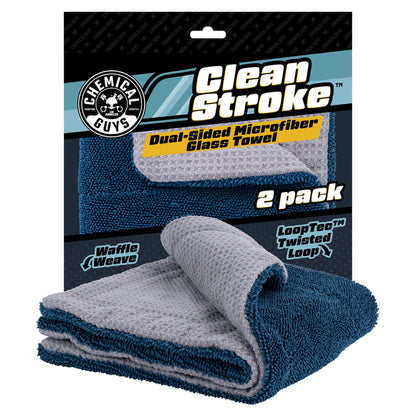
Credit: www.chemicalguys.com
Frequently Asked Questions
How Do You Clean A Microfiber Window Cloth Effectively?
To clean a microfiber cloth, wash it with warm water and mild detergent. Avoid fabric softeners as they clog fibers. Rinse thoroughly and air dry for best results. This method restores absorbency and removes dirt without damaging the cloth.
Can Vinegar Restore Microfiber Cloths For Window Cleaning?
Yes, white vinegar helps restore microfiber cloths by breaking down residues. Add half a cup to the rinse cycle to remove detergent buildup. Vinegar deodorizes and softens fibers without harming the fabric, improving cleaning performance.
How Often Should Microfiber Window Cloths Be Washed?
Microfiber cloths used daily should be washed after every 3 to 4 uses. Frequent washing prevents dirt buildup and maintains cleaning efficiency. Always follow proper washing techniques to prolong the cloth’s lifespan.
What Should I Avoid When Washing Microfiber Cloths?
Avoid bleach, fabric softeners, and high heat when washing microfiber cloths. These damage fibers and reduce cleaning ability. Use gentle detergent and wash in warm or cold water instead.
Conclusion
Restoring a microfiber window cleaning cloth saves money and helps the environment. Clean it gently and avoid harsh detergents. Dry it properly to keep its softness and absorbency. With simple care, your cloth will last longer. This keeps your windows sparkling clean every time.
Small steps make a big difference in cleaning tools. Try these tips and see the results yourself. Your cloth can look and work like new again. Keep your cleaning routine easy and effective.