
Have you ever wondered why some cleaning cloths leave surfaces spotless while others just spread dirt around? The secret often lies in the type of cloth you use.
Microfiber cleaning cloths have become a game-changer for anyone who wants a quick, efficient, and streak-free clean. But what exactly makes microfiber so special? If you want to discover how this simple tool can transform your cleaning routine and save you time and effort, keep reading.
You’ll soon see why microfiber cloths deserve a spot in your cleaning arsenal.
Microfiber Cloth Basics
Understanding the basics of microfiber cloths can change the way you clean your home or workspace. These cloths are not just ordinary cleaning tools—they offer unique qualities that make cleaning more efficient and gentle on surfaces. Let’s break down what makes microfiber cloths special and how they actually work.
Material Composition
Microfiber cloths are made from extremely fine synthetic fibers, usually a blend of polyester and polyamide (nylon). The fibers are much thinner than a human hair, which allows the cloth to have a large surface area packed into a small space. This fine structure lets the cloth trap dirt, dust, and even bacteria more effectively than traditional fabrics.
Because polyester provides strength and durability, and polyamide adds softness and absorbency, the combination creates a fabric that is both tough and gentle. This blend is why microfiber cloths feel smooth against delicate surfaces but still clean deeply.
How It Works
Microfiber cloths clean by physically lifting and holding particles instead of just pushing them around. The tiny fibers create a web-like structure that grabs onto dirt and oils, pulling them away from surfaces. When you wipe with a microfiber cloth, it acts like a magnet for grime.
Have you ever noticed how a dry microfiber cloth can pick up dust without any cleaning spray? That’s because the fibers generate static electricity, attracting dust like a magnet. Plus, when dampened, the cloth enhances its ability to dissolve and trap grease and stains, making your cleaning more effective.

Credit: www.amazon.in
Types Of Microfiber Cloths
Microfiber cloths come in various types, each designed to meet specific cleaning needs. Understanding the different types can help you choose the right cloth for your tasks, making your cleaning more efficient and effective. Let’s break down these types based on weave patterns, sizes and shapes, and specialized purposes.
Weave Patterns
The weave pattern affects how the microfiber cloth cleans and absorbs dirt. Common patterns include terry, waffle, and flat weaves.
- Terry Weave:Features loops that increase surface area, making it great for scrubbing and lifting dirt.
- Waffle Weave:Has a textured surface that traps dust and moisture well, ideal for drying and polishing.
- Flat Weave:Smooth and soft, perfect for delicate surfaces like glass and screens.
Which weave do you think would work best for your toughest cleaning jobs?
Sizes And Shapes
Microfiber cloths come in various sizes and shapes tailored to different uses.
- Large Squares (16×16 inches):Great for general cleaning and covering large surfaces quickly.
- Small Squares (12×12 inches):Perfect for detailed work or cleaning tight spots.
- Rectangles and Towels:Useful for drying and polishing cars, windows, or countertops.
- Round Pads:Often used with cleaning tools or for buffing surfaces.
Think about the surfaces you clean most often—what size and shape would save you time?
Specialized Cloths
Some microfiber cloths are designed with specific tasks in mind, adding extra value to your cleaning routine.
- Glass Cloths:Ultra-soft and lint-free, these prevent streaks and scratches on mirrors and screens.
- Dusting Cloths:Electrostatic properties help trap fine dust particles without scattering them.
- Polishing Cloths:Made with extra plush fibers to give surfaces a shiny, polished finish.
- Heavy-Duty Cloths:Thicker and more durable for tough grime and grease, often used in kitchens and garages.
Have you tried using a cloth made specifically for your cleaning challenge? The difference might surprise you.
Benefits Of Microfiber Cleaning
Microfiber cleaning cloths are popular for their effective and efficient cleaning capabilities. These cloths offer numerous benefits, making them a preferred choice for cleaning enthusiasts.
Superior Dirt Removal
Microfiber cloths excel at picking up dirt and grime. Their tiny fibers trap particles, leaving surfaces cleaner. This feature ensures thorough cleaning without leaving residues.
Eco-friendly Cleaning
Microfiber cloths are environmentally friendly. They reduce the need for chemical cleaners. Simply use water for most tasks, minimizing environmental impact.
Durability And Cost-effectiveness
Microfiber cloths last longer than traditional cleaning materials. They withstand frequent washes, maintaining their quality over time. This durability makes them a cost-effective choice for households.
Proper Usage Tips
Using a microfiber cleaning cloth properly can make a huge difference in how effectively you clean and how long the cloth lasts. It’s not just about wiping surfaces; it’s about choosing the right cloth, using the best techniques, and avoiding mistakes that can damage the fabric or your items. Let’s look at some practical tips to get the most out of your microfiber cloth.
Choosing The Right Cloth
Not all microfiber cloths are created equal. You need to pick a cloth based on the cleaning task. For delicate surfaces like screens or glasses, choose a cloth with a finer weave and softer texture to avoid scratches.
Thicker, more absorbent cloths work better for heavy-duty cleaning or drying. Pay attention to the GSM (grams per square meter); higher GSM means a denser cloth that holds more dirt and liquid.
Have you ever tried wiping a greasy kitchen counter with a cloth meant for dusting? It simply doesn’t work well. Matching the cloth to the job saves time and effort.
Effective Cleaning Techniques
Use gentle pressure to avoid damaging surfaces. Moving the cloth in a circular motion helps lift dirt rather than just pushing it around. For stubborn spots, dampen the cloth slightly with water instead of harsh chemicals.
Rinse or shake out your cloth regularly during cleaning to avoid spreading dirt back on the surface. Using separate cloths for different areas, like one for the bathroom and another for the kitchen, prevents cross-contamination.
Have you noticed how a dry cloth can just push dust around? Slightly dampening your microfiber cloth can trap particles better, improving your results.
Avoiding Common Mistakes
One common error is washing microfiber cloths with fabric softeners or bleach. These products clog the fibers and reduce their effectiveness. Always wash them in warm water with mild detergent.
Another mistake is mixing microfiber with other laundry items. Lint from towels or cotton can stick to the cloth and make it less efficient. Keep microfiber cloths separate during washing and drying.
Also, avoid ironing or exposing microfiber cloths to high heat, as it can melt the fibers. Instead, air dry or use a low heat setting in the dryer.
Have you ever wondered why your microfiber cloth stops cleaning well after a few uses? It’s often due to these simple but overlooked mistakes.
Care And Maintenance
Proper care and maintenance keep microfiber cleaning cloths effective and long-lasting. These cloths need gentle handling to maintain their texture and cleaning power. Regular cleaning removes trapped dirt and oils. Correct storage prevents damage and contamination. Small habits extend their life and save money.
Washing Guidelines
- Wash microfiber cloths separately from other fabrics.
- Use warm water with mild detergent.
- Avoid bleach and fabric softeners; they clog fibers.
- Rinse thoroughly to remove detergent residue.
- Air dry or tumble dry on low heat.
- Do not iron or use high heat.
Storage Tips
- Keep cloths in a clean, dry place.
- Store them flat or folded neatly.
- Avoid storing in damp or dirty areas.
- Use a sealed container or bag for protection.
- Separate clean cloths from used ones.
Extending Lifespan
- Rinse cloths immediately after use.
- Remove stubborn dirt before washing.
- Use cloths only for their intended purpose.
- Replace cloths once they lose softness or absorbency.
- Follow washing and storage tips consistently.
Applications Across Industries
Microfiber cleaning cloths serve many industries due to their unique fibers. These cloths are soft, absorbent, and trap dust efficiently. Their ability to clean without harsh chemicals makes them popular worldwide. Different industries use microfiber cloths in specific ways to meet their cleaning needs.
Household Cleaning
Microfiber cloths are common in homes for dusting and wiping surfaces. They clean glass, countertops, and floors without leaving streaks. These cloths absorb spills quickly, reducing mess and damage. People use them for gentle cleaning on delicate items. They save time by cleaning faster than traditional cloths.
Automotive Care
Car owners rely on microfiber cloths for detailing and polishing. They remove dirt and grime without scratching paint. These cloths help clean windows, mirrors, and interiors safely. Microfiber cloths also dry vehicles quickly after washing. Their softness protects sensitive surfaces, maintaining the car’s look.
Healthcare And Electronics
Hospitals use microfiber cloths to reduce germs and keep areas sterile. The cloths trap bacteria, improving hygiene and safety. In electronics, microfiber safely cleans screens and lenses. They remove fingerprints and dust without damage. These cloths support sensitive equipment care in many settings.
Comparing Microfiber To Other Materials
Microfiber cleaning cloths offer unique benefits compared to other cleaning materials. Understanding these differences helps choose the best option for various cleaning tasks. Each material has its strengths and weaknesses in cleaning ability, durability, and cost.
Cotton Cloths
Cotton cloths are soft and natural. They absorb water well but can leave lint behind. Cotton fibers are thicker and less effective at trapping small dirt particles. These cloths often need detergent to clean surfaces thoroughly. Cotton wears out faster after many washes and may shrink.
Paper Towels
Paper towels are convenient and disposable. They work best for quick spills and dry cleaning. Paper towels lack durability and can tear easily. They generate waste and can be costly over time. Paper towels do not clean as deeply as microfiber cloths and can leave residue.
Synthetic Alternatives
Synthetic cloths include polyester and nylon options. They are durable and dry quickly. These cloths can clean well but may not trap dust like microfiber. Some synthetic materials can scratch delicate surfaces. They often cost less but may lose effectiveness after multiple uses.

Credit: www.indiamart.com
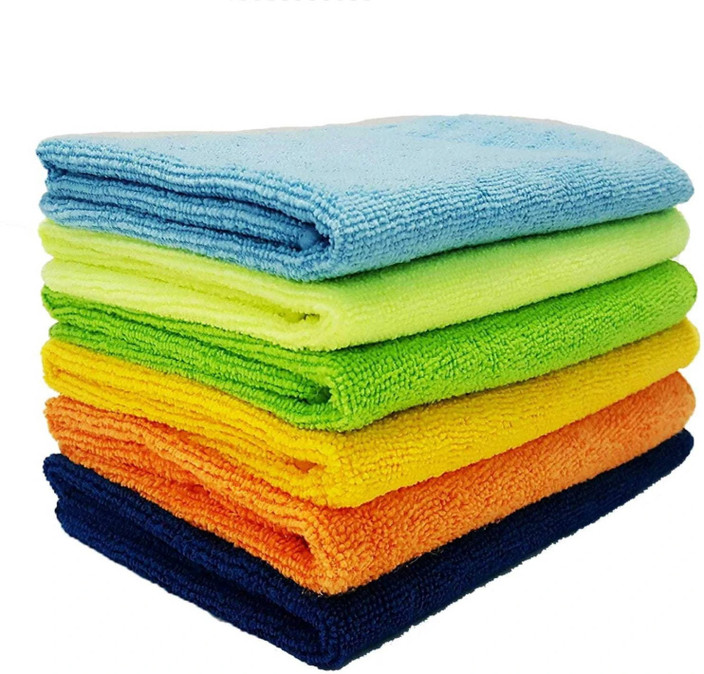
Credit: www.flipkart.com
Frequently Asked Questions
What Is A Microfiber Cleaning Cloth Used For?
A microfiber cleaning cloth is used for dusting, wiping, and polishing surfaces. It effectively traps dirt, dust, and oils without chemicals. It is ideal for cleaning electronics, glass, and delicate surfaces without scratching or leaving streaks.
How Does Microfiber Cloth Differ From Regular Cloth?
Microfiber cloths have ultra-fine synthetic fibers that are much thinner than regular cloth fibers. This structure allows them to trap smaller particles and absorb liquids better. They clean more efficiently and require less water or cleaning solutions compared to traditional cloths.
Can Microfiber Cloths Be Reused And Washed?
Yes, microfiber cloths can be reused multiple times. They are machine washable and dry quickly. Avoid using fabric softeners and bleach to maintain their cleaning effectiveness and fiber integrity. Proper care extends their lifespan and performance.
Are Microfiber Cloths Safe For All Surfaces?
Microfiber cloths are safe for most surfaces, including glass, wood, metal, and electronics. Their soft texture prevents scratches and damage. However, avoid using them on highly abrasive surfaces to prevent fiber wear and maintain cleaning quality.
Conclusion
Microfiber cleaning cloths clean surfaces quickly and gently. They trap dust and dirt better than regular cloths. These cloths dry fast and last a long time. You save money and help the environment by reusing them. They work well on glass, wood, and electronics.
Using microfiber cloths makes cleaning easier and faster. Keep one handy for everyday messes and spills. A simple tool with many benefits.