
Are you wondering how to keep your wooden spoons looking great and lasting longer? Choosing the right oil for your wooden utensils is key to protecting them from cracks, stains, and wear.
But with so many options out there, it can be confusing to know which one is best for your spoons. You’ll discover the safest, most effective oils that will nourish your wooden spoons and keep them in top shape. Keep reading to find out exactly what you should use—and why it matters for your kitchen tools.
Credit: www.thekitchn.com
Types Of Oils For Wooden Spoons
Choosing the right oil helps keep wooden spoons strong and smooth. Oils protect wood from drying out and cracking. Some oils soak in quickly, while others form a protective layer. Different oils offer unique benefits for wooden kitchen tools.
Mineral Oil
Mineral oil is clear and odorless. It does not spoil or turn rancid. It soaks deep into the wood, protecting it from moisture. It is food-safe and easy to find. Many people use mineral oil to keep spoons smooth and shiny.
Olive Oil
Olive oil is natural and widely available. It adds a nice shine to wooden spoons. It soaks in well but can turn sticky over time. Olive oil may spoil if not used regularly. It is best for occasional conditioning.
Coconut Oil
Coconut oil is solid at room temperature. It melts on warm wood and absorbs nicely. This oil resists water and helps prevent cracks. It smells pleasant and is safe for food use. Coconut oil keeps wooden spoons soft and durable.
Walnut Oil
Walnut oil is a drying oil that hardens after application. It creates a strong, water-resistant finish. It enhances the natural wood grain and color. Walnut oil is food-safe but may cause allergies in some. It is excellent for long-lasting protection.
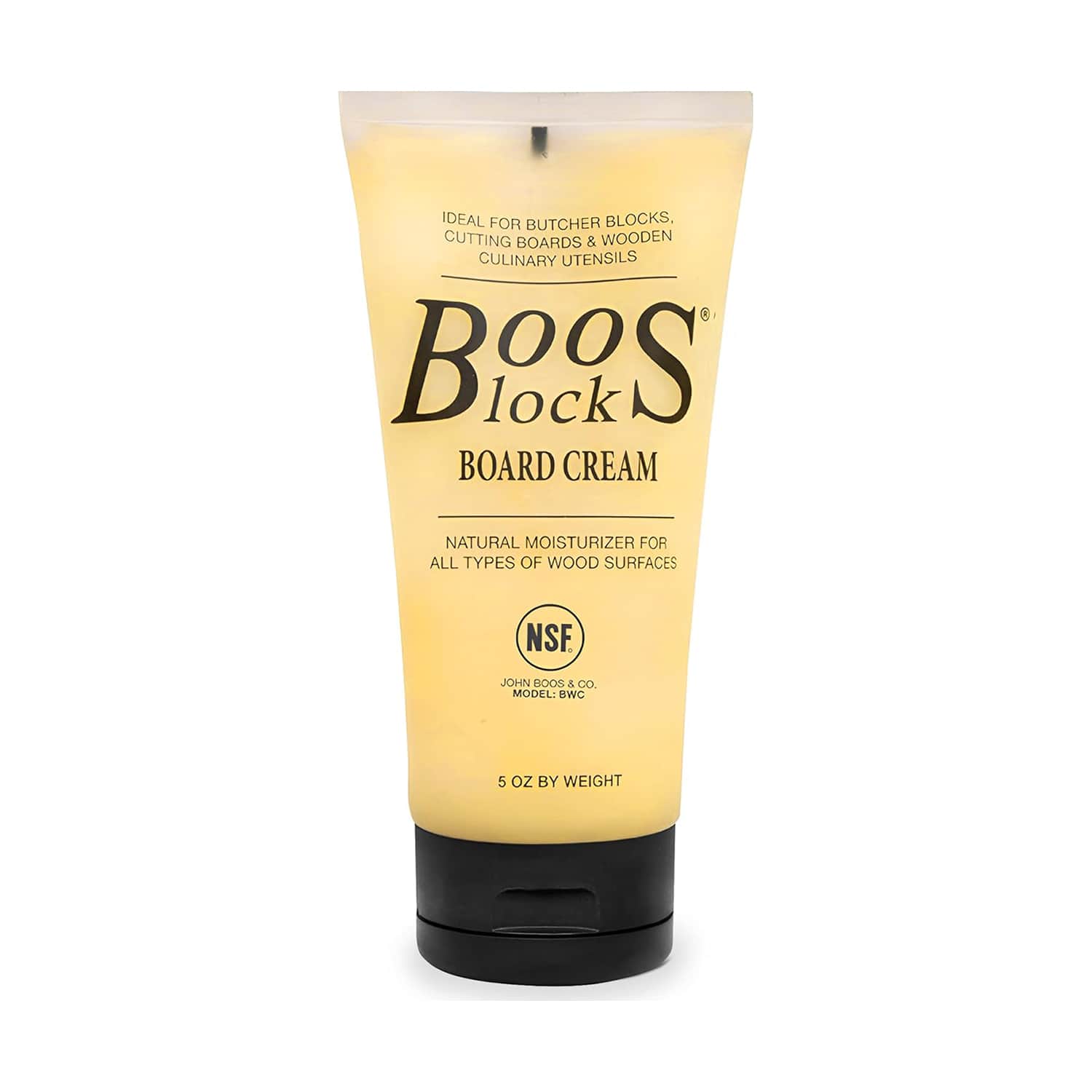
Beeswax Blends
Beeswax blends mix beeswax with oils for extra protection. They form a smooth, waxy coat on the wood surface. This coating repels water and dirt. Beeswax blends make spoons feel silky and polished. They need regular reapplication to maintain shine.

Credit: food52.com
Benefits Of Each Oil Type
Choosing the right oil for your wooden spoons can make a big difference in how long they last and how safe they are for cooking. Each type of oil offers unique benefits that affect durability, food safety, moisture resistance, and ease of application. Understanding these benefits helps you pick the oil that fits your kitchen needs perfectly.
Durability And Protection
Oils like mineral oil create a strong barrier that protects wooden spoons from cracking and splitting. This barrier helps your spoons withstand daily use and washing without degrading quickly.
Natural oils such as walnut or coconut oil also add durability but may require more frequent reapplication to maintain their protective qualities. Have you noticed how some spoons feel sturdier after oiling? That’s the oil working to keep the wood strong and smooth.
Food Safety
Food safety is crucial when selecting oil. Mineral oil is food-grade and non-toxic, making it safe for all cooking utensils. It won’t go rancid or affect the taste of your food.
Plant-based oils like olive or coconut oil are natural and safe but can spoil over time, which might cause an unpleasant odor or taste. Do you want an oil that keeps your spoon safe and fresh without constant worry? Mineral oil often fits the bill.
Moisture Resistance
Oils that penetrate deeply, like tung or linseed oil, offer excellent moisture resistance. They help prevent water from seeping into the wood, which reduces the risk of swelling and warping.
Some oils form a surface layer that repels water but might wear off faster, requiring regular maintenance. Think about how often you’re willing to reapply oil when deciding what suits your lifestyle.
Ease Of Application
Mineral oil is usually the easiest to apply because it’s odorless and absorbs quickly. You can simply rub it on with a cloth and let it soak in without much hassle.
Oils like walnut or tung might need multiple coats and longer drying times, which can slow down your routine. If you prefer quick upkeep, consider how much time you want to spend oiling your spoons regularly.
How To Choose The Best Oil
Choosing the right oil for your wooden spoons is more than just picking what’s available on the shelf. The oil you select impacts the spoon’s durability, safety, and overall care. Understanding key factors can help you make an informed choice that keeps your kitchen tools in top shape.
Consider Spoon Usage
Think about how often you use your wooden spoons and what you use them for. If your spoons regularly stir hot soups or greasy dishes, you need an oil that can withstand heat and resist rancidity. Food-safe oils like mineral oil or refined coconut oil are great for heavy kitchen use because they don’t break down easily.
On the other hand, if your spoons are mostly decorative or used occasionally, you might opt for oils that add a nice scent or finish, such as walnut or almond oil. However, these are less durable for daily cooking tasks. What type of cooking do you do most often? Your answer guides the best oil choice.
Allergies And Sensitivities
Always consider allergies when selecting an oil. Some oils, like peanut, walnut, or almond oil, can trigger allergic reactions in sensitive individuals. Even if you don’t have allergies, think about your family or guests who might come into contact with the spoons.
Choosing hypoallergenic oils like mineral oil or coconut oil minimizes risks. If you’re unsure, test a small amount on your skin first or opt for oils labeled as food-safe and allergy-friendly. Protecting health is just as important as protecting your wooden spoons.
Availability And Cost
Cost and availability can influence your decision more than you expect. Some oils, like tung oil or specialty nut oils, might be expensive or hard to find locally. In contrast, mineral oil is widely available, affordable, and specifically designed for kitchenware maintenance.
Think about how often you’re willing to oil your spoons and how much you want to spend. A more affordable oil that you can apply regularly often works better than a pricey oil that you rarely use. What’s your budget for caring for your kitchen tools?
Step-by-step Oil Application
Choose food-safe oils like mineral oil or walnut oil for wooden spoons to keep them smooth and protected. Apply the oil evenly, letting it soak in before wiping off the excess. Repeat this process regularly to maintain the spoon’s quality and prevent cracking.
Taking care of your wooden spoons can extend their lifespan and keep them looking great. Applying oil is essential to maintain their durability and appearance. Below is a step-by-step guide to oiling your wooden spoons effectively.
Cleaning The Spoon
Before oiling, ensure your wooden spoon is clean. Use mild soap and warm water to scrub it gently. Avoid soaking it, as this can lead to cracking. Rinse thoroughly to remove any soap residue. Pat dry with a towel, ensuring it’s fully dry before proceeding to the next step.
Applying The Oil
Choose a food-safe oil like mineral oil or coconut oil. These are known for their effectiveness and safety in kitchen applications. Pour a small amount onto a soft cloth. Rub the oil into the spoon, covering all surfaces and edges. Ensure the oil penetrates the wood grain for optimal protection.
Drying And Buffing
After application, let the spoon sit for a few hours, allowing the oil to soak in. This helps the wood absorb the oil deeply. Once the oil has penetrated, buff the spoon with a clean, dry cloth. This removes excess oil and gives the spoon a polished look.
Frequency Of Treatment
How often should you oil your wooden spoons? Consider doing this once a month, or whenever the wood appears dry. Regular oiling maintains the spoon’s condition and prevents it from cracking or splitting. It’s a simple task with rewarding results. Do you find your wooden spoons losing their sheen too quickly? A consistent oiling routine might be just what they need. Try it out, and watch them regain their charm!
Common Mistakes To Avoid
Choosing the right oil for wooden spoons matters a lot. Using the wrong oil or applying it incorrectly can damage the wood or affect your food. Avoid these common mistakes to keep your spoons safe and lasting longer.
Using Rancid Oils
Rancid oils smell bad and can spoil your wooden spoons. Old oils dry out and turn sticky. They attract dirt and bacteria. Always use fresh, food-safe oils. Check the oil’s smell and appearance before applying it.
Over-oiling
Too much oil does not protect wood better. Excess oil leaves a sticky surface that traps dirt. It can take days to dry fully. Apply a thin, even layer and wipe off the rest. Let the spoon absorb oil slowly for the best results.
Ignoring Food Safety
Not all oils are safe for kitchen use. Some oils can cause allergic reactions or spoil quickly. Use oils labeled as food-safe, like mineral oil or coconut oil. Avoid vegetable oils that can go rancid fast. Clean spoons before oiling to stop bacteria growth.
Maintaining Wooden Spoons Over Time
Wooden spoons can last for many years with the right care. Maintaining them over time keeps the wood strong and safe for cooking. Proper cleaning, re-oiling, and storage protect your spoons from cracking and drying out.
These simple habits help preserve the beauty and function of your wooden kitchen tools.
Regular Cleaning Tips
- Wash wooden spoons by hand using warm water and mild soap.
- Avoid soaking spoons in water for long periods to prevent swelling.
- Rinse thoroughly to remove all soap residue.
- Dry spoons immediately with a clean towel.
- Do not put wooden spoons in the dishwasher; heat damages the wood.
Signs Spoon Needs Re-oiling
- Wood looks dry or faded.
- Surface feels rough or splintered.
- Water droplets soak in instead of beading up.
- Faint cracks appear on the wood.
Re-oiling restores moisture and prevents the wood from drying out.
Proper Storage
- Store spoons in a dry, well-ventilated place.
- Avoid keeping spoons near heat sources or direct sunlight.
- Use a utensil holder that allows air circulation.
- Keep spoons separate from damp or wet utensils.

Credit: food52.com
Frequently Asked Questions
What Is The Best Oil For Conditioning Wooden Spoons?
Food-safe mineral oil is the best choice to condition wooden spoons. It penetrates well, prevents cracking, and is non-toxic. Unlike vegetable oils, it doesn’t go rancid, keeping your spoons fresh and durable for longer.
Can I Use Olive Oil On Wooden Spoons?
Olive oil is not recommended for wooden spoons. It can turn rancid and create a sticky surface. Instead, use mineral oil or specialized wood oils designed for kitchen utensils to maintain and protect your spoons effectively.
How Often Should I Oil Wooden Spoons?
Oil wooden spoons once a month or when they look dry. Regular oiling prevents drying, cracking, and extends the spoon’s lifespan. Frequent use or washing may require more frequent conditioning to keep the wood hydrated and smooth.
Are Coconut Oil And Beeswax Safe For Wooden Spoons?
Yes, food-grade coconut oil and beeswax are safe and effective for wooden spoons. They provide good moisture protection and a natural finish. However, coconut oil can sometimes go rancid, so use refined versions for better results.
Conclusion
Choosing the right oil keeps wooden spoons strong and smooth. Mineral oil is safe and easy to find. It soaks in well and protects wood from cracking. Food-grade oils like coconut or walnut also work well. Avoid oils that can go bad or smell bad.
Regular oiling helps your spoons last longer. It keeps them clean and nice to use. Treat your wooden spoons with care, and they will serve you for years. Simple care makes a big difference.