
If you want your microfiber cleaning cloths to last longer and work better, knowing how to wash them the right way is key. You might think any washing method will do, but using the wrong one can damage the fibers and reduce their cleaning power.
In this guide, you’ll discover simple steps to keep your cloths fresh, soft, and super effective every time you use them. Keep reading to learn the easy tricks that will save you money and make your cleaning routine easier than ever.
Choosing The Right Microfiber Cloths
Choosing the right microfiber cloths makes a big difference in cleaning results. Different tasks need different cloth types. Picking the best cloth saves time and effort. It protects surfaces and lasts longer. Knowing what to choose helps keep your home clean and fresh.
Types Of Microfiber Cloths
Microfiber cloths come in various styles for specific uses. Some have a flat weave, best for dusting and polishing. Others have a looped or waffle texture, ideal for scrubbing and deep cleaning.
- Flat weave: smooth surface, gentle on delicate items.
- Looped texture: grabs dirt and grime better.
- Waffle weave: absorbs liquids quickly, good for spills.
Each type suits different cleaning needs. Choose based on the surface and dirt type.
Selecting Quality Materials
Quality matters in microfiber cloths. Look for dense fibers for better cleaning power. Higher density means the cloth traps more dust and dirt.
Good quality cloths last longer after many washes. They stay soft and effective, avoiding scratches on surfaces.
- Check fiber density; higher is better.
- Look for double-stitched edges to prevent fraying.
- Choose cloths labeled as lint-free to avoid residue.
Invest in quality cloths for a cleaner home and less waste.
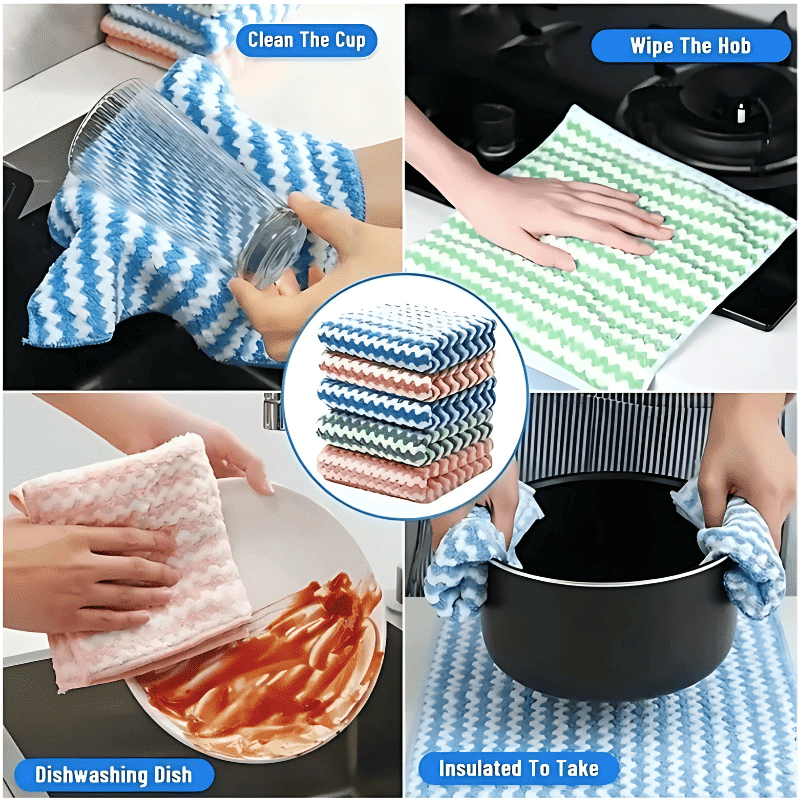
Credit: www.sayweee.com
Preparing Cloths For Washing
Preparing your microfiber cleaning cloths before washing is key to keeping them effective and long-lasting. Proper preparation helps remove trapped dirt and prevents damage during the wash. Taking a few extra minutes now will save you from frustration later when your cloths don’t perform as well.
Removing Debris And Residue
Start by shaking out your microfiber cloths to get rid of loose dust and dirt. If there’s any stubborn residue, rinse the cloths under warm water before washing. This prevents particles from clogging the fibers and keeps your washing machine clean.
Have you noticed how some cloths get stiff or less absorbent over time? Often, that’s because debris and product buildup weren’t fully removed before washing. Taking time to clear away grime ensures your cloths stay soft and ready for the next cleaning job.
Sorting By Color And Use
Sort your microfiber cloths by color and their cleaning purpose before washing. Keep dark-colored cloths separate from light ones to avoid color transfer. Also, separate cloths used for greasy kitchen messes from those used for dusting or wiping glass.
Why does this matter? Mixing cloths can spread dirt and oils, reducing cleaning efficiency. Plus, sorting helps you maintain hygiene by preventing cross-contamination between different cleaning tasks.
Washing Techniques
Microfiber cleaning cloths are a staple in households due to their ability to trap dust and dirt effectively. However, to maintain their efficiency, knowing the right washing techniques is crucial. Whether you’re using a machine or washing them by hand, the following methods will ensure your microfiber cloths remain in top condition.
Machine Washing Tips
Machine washing microfiber cloths can be a breeze if you follow a few simple guidelines. Start by separating your microfiber cloths from other laundry items. This prevents lint transfer, which can reduce their cleaning effectiveness. Use warm water, as it helps in loosening dirt without damaging the fibers.
Avoid fabric softeners and bleach, which can clog the fibers and reduce their absorbency. Instead, opt for a gentle cycle to ensure the cloths aren’t subjected to excessive wear and tear. Consider using a mesh laundry bag to protect them during the wash cycle.
Hand Washing Methods
Hand washing is a gentler option, especially if your microfiber cloths are heavily soiled. Fill a basin with warm water and add a small amount of detergent. Gently agitate the cloths to loosen dirt and grime. Rinse thoroughly to remove any detergent residue.
Squeeze out excess water without twisting the cloths, as twisting can damage the fibers. Lay them flat or hang them to air dry, ensuring they are completely dry before storing. This prevents mildew and maintains their cleaning power.
Suitable Detergents And Products
Choosing the right detergent is key to preserving the integrity of microfiber cloths. Use a mild detergent that’s free from additives and fragrances. These can leave residues that diminish the cloth’s ability to clean effectively.
Enzyme-based detergents are a great choice, as they break down organic stains without harming the fibers. Always check the detergent label for compatibility with microfiber material. For added freshness, consider using vinegar during the rinse cycle as a natural fabric softener.
Have you ever considered the impact of your cleaning products on microfiber cloths? Ensuring compatibility can make all the difference in their lifespan and performance.
Credit: www.tiktok.com
Drying Microfiber Cloths
Drying microfiber cloths correctly keeps them effective and long-lasting. Proper drying prevents damage and keeps the fibers ready for cleaning. Avoid common mistakes that can weaken the cloth and reduce its cleaning power.
Air Drying Best Practices
Air drying is gentle on microfiber cloths and helps maintain their quality. Hang the cloths in a clean, open area with good airflow. Avoid direct sunlight, which can break down fibers over time.
- Shake out excess water before hanging.
- Spread cloths flat or hang to prevent wrinkles.
- Keep cloths away from dust and dirt while drying.
- Allow enough time to dry completely before reuse or storage.
Using A Dryer Safely
Using a dryer can be quick but requires care to avoid damage. Use the lowest heat setting to protect microfiber fibers. High heat melts or warps the fine threads, reducing effectiveness.
- Do not use fabric softeners or dryer sheets. They coat fibers and reduce absorbency.
- Dry with similar microfiber items to avoid lint transfer.
- Remove cloths promptly when dry to prevent wrinkles.
- Check dryer filters to avoid lint buildup.
Maintaining Cloth Performance
Maintaining the performance of your microfiber cleaning cloths is essential to keep them effective and long-lasting. Proper care ensures they continue to trap dust, dirt, and liquids efficiently. Small habits during washing and storage can make a big difference in preserving their texture and absorbency.
Avoiding Fabric Softeners And Bleach
Fabric softeners and bleach might seem like good options to keep cloths fresh, but they actually damage microfiber fibers. These chemicals coat the cloth, reducing its ability to absorb and clean properly.
Try washing your microfiber cloths with a mild detergent only. Skip the softener and bleach to keep the fibers open and ready to grab dust and grime. Have you noticed your cloths feeling less effective after washing? This is often why.
Storing Clean Cloths Properly
How you store your microfiber cloths impacts their cleanliness and performance. Avoid stuffing them into damp or dirty places where they can pick up bacteria or dust.
Fold your cloths neatly and store them in a dry, clean container or drawer. This keeps the fibers fluffy and free from contaminants, ready for your next cleaning job. Do you keep your cloths in a designated spot, or do they end up mixed with other laundry? Organizing them can save you time and improve results.
Troubleshooting Common Issues
Even the best microfiber cloths can face issues after repeated use. You might notice stubborn stains, lingering odors, or a loss of absorbency that makes your cloth less effective. Addressing these problems quickly helps you get the most out of your cleaning tools and keeps your routine efficient.
Dealing With Stains And Odors
Stains on microfiber cloths can be tricky, especially if they come from grease or paint. Soaking the cloth in warm water mixed with a bit of white vinegar can help break down tough stains without damaging the fibers.
Odors often cling to microfiber because dirt and oils get trapped deep in the fabric. To remove smells, try washing your cloths with a mild detergent and adding half a cup of baking soda to the wash cycle. This combination neutralizes odors and refreshes the cloth.
Avoid using fabric softeners or bleach, as they can clog the fibers and cause your cloth to lose its cleaning power. Have you ever noticed your cloth smelling bad even after washing? This simple vinegar and baking soda trick might surprise you with how well it works.
Restoring Absorbency
If your microfiber cloth isn’t soaking up liquids like it used to, it likely needs a deep clean to remove residue buildup. Residue from cleaning products can coat the fibers, reducing absorbency.
Run your cloth through a hot wash cycle using just detergent—skip fabric softeners altogether. After washing, rinse the cloth thoroughly to make sure no detergent is left behind.
Another trick is to occasionally soak your microfiber cloths in hot water with a little dish soap before washing. This helps strip away oils and buildup that block the fibers.
Think about your last cleaning session—did your cloth feel less effective? Giving it this kind of reset can bring back the absorbency you need without buying new cloths.
Credit: www.tiktok.com
Frequently Asked Questions
How Do I Wash Microfiber Cloths Properly?
Wash microfiber cloths in warm water with mild detergent. Avoid fabric softeners and bleach to maintain their effectiveness. Air dry or use low heat in the dryer to preserve fibers and extend cloth lifespan.
Can I Machine Wash Microfiber Cleaning Cloths?
Yes, machine washing microfiber cloths is safe. Use gentle cycles with warm water and mild detergent. Avoid using fabric softeners, bleach, or high heat, which can damage the fibers and reduce cleaning power.
Should I Avoid Fabric Softener When Washing Microfiber?
Yes, fabric softeners coat microfiber fibers, reducing absorbency and cleaning ability. Always skip fabric softeners to keep microfiber cloths effective and long-lasting. Use mild detergent and air dry or tumble dry low instead.
How Often Should Microfiber Cloths Be Washed?
Wash microfiber cloths after each use to remove dirt and bacteria. Frequent washing maintains their cleaning efficiency and prevents buildup of residues. Proper care ensures the cloths last longer and perform better.
Conclusion
Washing microfiber cloths right keeps them soft and lasting longer. Use warm water and gentle detergent for best results. Avoid fabric softeners and bleach to protect the fibers. Air dry or tumble dry on low heat. Clean cloths work better and stay safe for many uses.
Taking simple steps helps you save money and time. Keep your cleaning tools fresh and ready for every job. Small care makes a big difference in microfiber cloth life.