
Are you looking to transform your space with a simple, stylish touch? LED strip lights are the perfect way to add color, warmth, and personality to any room.
Whether you want to brighten up your living room, create a cozy bedroom vibe, or highlight your kitchen counters, LED strip lights make it easy—and fun. In this guide, you’ll discover exactly how to use LED strip lights to get the perfect look, even if you’ve never tried them before.
Keep reading, and you’ll be amazed at how a few strips can change everything around you.
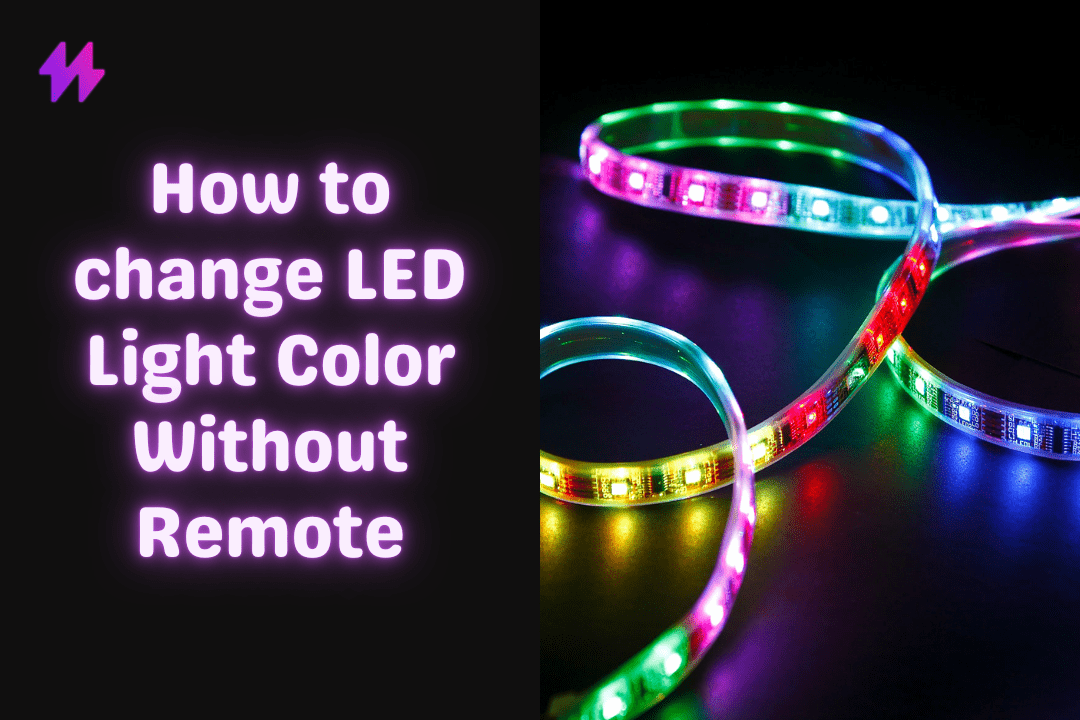
Credit: medium.com
Choosing The Right Led Strip Lights
Choosing the right LED strip lights depends on brightness, color, and length needed for your space. Consider the power source and ease of installation for best results. Proper selection ensures effective and safe lighting use.
Choosing the right LED strip lights can transform your space from ordinary to extraordinary. With countless options available, making the right choice might feel overwhelming. But don’t worry—understanding a few key aspects will help you make a confident decision for your home or workspace.
Types Of Led Strip Lights
LED strip lights come in various types, each suited for different needs. Standard strips are great for general lighting, while waterproof strips are perfect for outdoor settings or areas exposed to moisture. If flexibility is crucial, opt for flexible strips that can be bent around corners effortlessly.
Color And Brightness Options
Decide on the mood you want to create. Warm white lights can make your room feel cozy and inviting, whereas cool white gives a modern, clean look. RGB strips let you play with colors, perfect for parties or adding a creative touch to your environment.
Power Sources And Compatibility
Power compatibility is essential to ensure your lights work efficiently. Some LED strips are powered via USB, making them easy to connect to a computer or power bank. Others require a direct connection to the mains; check the voltage to avoid damage and ensure longevity. A practical tip: always measure your space before buying. This ensures you purchase the right length and avoid unnecessary joins. Are you considering smart LED strips? These can be controlled via apps, adding convenience to your lighting solutions.

Credit: www.lepro.ca
Planning Your Led Strip Installation
Planning your LED strip installation is key to a smooth and successful setup. It helps avoid mistakes and ensures the lights look great. Take time to understand your space and how you want the lighting to work.
Careful planning makes installation faster and safer. It also helps you buy the right amount of LED strips and accessories. Follow simple steps to get ready for the installation.
Measuring Your Space
Measure the length where you want to place the LED strips. Use a tape measure for accuracy. Note down the measurements in feet or meters.
Check corners and edges if you plan to wrap the strips around them. Add a few extra inches to your total length. This helps cover any mistakes or unexpected gaps.
Selecting Installation Locations
Choose flat, clean surfaces for the best stick. Surfaces like wood, metal, or plastic work well. Avoid rough or dusty areas that reduce adhesion.
Think about the light effect you want. Under cabinets, behind TVs, or along stairs create different moods. Test the strip’s brightness in each spot before fixing it permanently.
Safety Considerations
Keep LED strips away from water unless they are waterproof. Use only the power supply recommended for your strips. Overloading can cause overheating or damage.
Do not install strips near flammable materials. Ensure proper ventilation around the strips to prevent heat build-up. Turn off the power before cutting or connecting strips.
Preparing For Installation
Preparing for the installation of LED strip lights sets the foundation for a smooth and successful project. Taking time to organize and ready your workspace helps avoid common issues during setup. Proper preparation ensures the lights attach firmly and work correctly from the start.
Gathering Necessary Tools
Collect all tools before beginning. This saves time and prevents interruptions. Basic tools include:
- Measuring tape to check strip length
- Scissors for cutting strips
- Cleaning cloth or alcohol wipes
- Power source or adapter
- Optional: connectors or mounting clips
Having everything ready helps the installation flow smoothly.
Cleaning Surfaces
Clean the area where strips will stick. Dust, dirt, and grease reduce adhesive strength. Use alcohol wipes or a damp cloth. Allow the surface to dry completely before applying lights. Smooth, dry surfaces improve stickiness and keep strips in place longer.
Testing The Lights
Test LED strips before fixing them. Connect the strip to the power supply. Check if all LEDs light up evenly. Look for flickering or dead spots. Testing early saves time by spotting problems before installation. Replace any faulty strips to avoid frustration.
Installing Led Strip Lights
Installing LED strip lights can instantly transform your space, but getting them set up right is key to enjoying their full potential. The process involves careful cutting, mounting, and wiring to ensure your lights look great and function smoothly. Let’s break down these steps to help you get your LED strips glowing beautifully.
Cutting And Connecting Strips
LED strips come with designated cutting points, usually marked by small lines or scissors icons. Cutting only at these points prevents damage to the circuit and keeps the strips working properly.
To connect strips after cutting, you can use clip-on connectors or solder wires directly for a stronger bond. It’s important to match the positive and negative sides correctly to avoid flickering or short circuits.
Have you ever tried piecing together LED strips but ended up with uneven lighting? Taking time to connect them properly makes all the difference in achieving a seamless look.
Mounting Techniques
Most LED strips have adhesive backs, making them easy to stick onto clean, dry surfaces. Press firmly to secure the strip and prevent peeling over time.
For curved or uneven surfaces, flexible mounting clips or channels can hold the strips in place and protect them from damage. Using these accessories also gives a professional finish to your installation.
Think about where you want the light to shine—under cabinets, along shelves, or behind TVs—and choose mounting methods that keep your strips hidden but effective.
Wiring And Powering Up
LED strips require a compatible power supply that matches their voltage and wattage needs. Using the wrong power adapter can cause dim lights or even damage.
Connect the strips to the power supply using the correct connectors, and test each section before finalizing your installation. This helps identify any faulty connections early on.
Have you considered adding a dimmer or remote control for convenience? These extras can enhance your experience and let you adjust lighting to suit your mood.
Customizing Your Lighting Effects
Customizing your LED strip lights allows you to create unique lighting that fits your style and mood. These lights are versatile and easy to control. You can change colors, brightness, and effects quickly. Many LED strips come with tools to help you adjust settings easily. This section shows how to use those tools effectively.
Using Remote Controls And Apps
Remote controls make changing light settings simple. You can turn lights on or off with a button. Most remotes let you pick colors and brightness. Some remotes also have preset lighting modes to choose from.
Apps offer more control than remotes. You can connect your LED strips to your smartphone. The app lets you select colors, set effects, and save favorites. Many apps support voice commands through smart assistants. This adds convenience to your lighting experience.
Setting Timers And Schedules
Timers help automate your LED strip lights. You can set the lights to turn on or off at certain times. This feature is great for daily routines. For example, lights can turn on at sunset and off at bedtime.
Schedules allow you to plan lighting changes in advance. You can program different colors or effects for each time block. This keeps your space lively without manual adjustments. Many apps and remotes support these functions.
Creating Ambiance With Colors
Colors influence mood and atmosphere. Warm colors like red, orange, and yellow create a cozy feeling. Cool colors like blue and green offer a calm vibe. You can mix colors to match your mood or event.
Use soft colors for relaxation and bright colors for energy. Changing colors slowly creates a smooth transition effect. This adds a dynamic look without distraction. Experiment with different colors to find what fits your space best.
Maintaining And Troubleshooting
Maintaining LED strip lights ensures they stay bright and work longer. Troubleshooting helps fix small problems quickly. This saves money and keeps your space well-lit. Simple care and quick fixes make a big difference.
Cleaning Tips
Dust and dirt can dim LED strip lights. Use a soft cloth or microfiber duster to clean them gently. Avoid harsh chemicals or water directly on the lights. A dry or slightly damp cloth works best. Clean regularly to stop buildup and keep lights bright.
Common Issues And Fixes
- Lights not turning on:Check the power source and connections. Make sure the plug is secure.
- Flickering lights:Loose wiring or low voltage often causes flicker. Tighten connections and use the right power supply.
- Sections not lighting:Cut or damaged strips may cause this. Replace the damaged segment or check for breaks.
- Color changes or dimming:Confirm the controller settings and power supply match the strip’s needs.
Extending Lifespan
Keep LED strips away from heat and moisture. Use proper power supplies to avoid overload. Turn off lights when not needed to save energy. Store spare strips in a dry, cool place. Following these steps helps your LED strips last longer and stay bright.
Creative Ideas For Led Strip Use
LED strip lights are not just about illumination; they offer endless creative possibilities to transform your space. Whether you want to highlight architectural details, set the perfect atmosphere, or add practical lighting where you need it most, LED strips can do it all. Let’s look at some imaginative ways you can use these versatile lights to enhance your home or workspace.
Accent Lighting
Accent lighting with LED strips can make your room’s features pop. You can install strips under shelves to highlight your favorite books or collectibles. Adding LED strips behind your TV or around mirrors creates a sleek, modern glow that draws attention without overwhelming the space.
Think about your furniture too. Placing LED strips underneath a sofa or bed adds a subtle floating effect that looks stunning and adds depth to your room. Have you tried lighting up the edges of your stairs? It’s a smart way to improve safety while adding style.
Mood And Party Lighting
LED strips are perfect for setting the mood or energizing a party. Choose colors that match your vibe—warm amber for cozy evenings, bright blues and purples for a lively gathering. Many LED strips come with remote controls or apps, letting you change colors and brightness instantly.
Consider syncing your LED strips with music to create a dynamic light show that responds to the beat. This feature turns any room into a dance floor or chill-out zone. Have you ever noticed how lighting affects your mood? Experiment with different hues and watch your space come alive.
Functional Lighting Solutions
Beyond aesthetics, LED strips offer practical lighting that makes daily tasks easier. Under-cabinet lighting in the kitchen brightens your countertop for cooking and food prep without harsh overhead lights. In closets or wardrobes, LED strips help you find clothes quickly.
Think about your workspace or home office. Adding LED strips around your desk area can reduce eye strain and keep you focused during long hours. What spots in your home could use a little extra light to improve functionality? LED strips can fit into tight spaces and provide targeted illumination exactly where you need it.

Credit: www.amazon.ca
Frequently Asked Questions
How Do I Install Led Strip Lights Safely?
To install LED strip lights safely, clean the surface first. Use the adhesive backing to stick strips securely. Avoid bending strips sharply. Connect strips to the correct power source. Follow manufacturer instructions and avoid overloading circuits for safe usage.
Can Led Strip Lights Be Cut To Size?
Yes, LED strip lights can be cut at designated points. Use sharp scissors or a blade. Cutting outside these points can damage the strip. Always check the strip’s markings before cutting to ensure functionality is maintained.
What Power Supply Do Led Strip Lights Need?
LED strip lights require a power supply matching their voltage, usually 12V or 24V. Use a compatible adapter with sufficient wattage. Check the strip’s specifications to avoid overloading and ensure efficient, safe operation.
How Do I Control The Brightness Of Led Strip Lights?
You can control brightness using a compatible dimmer switch or remote controller. Some LED strips support app control for easy adjustments. Ensure your dimmer matches the LED strip type to prevent flickering or damage.
Conclusion
Using LED strip lights can brighten any space with ease. They offer flexible, energy-saving lighting options. Choose the right length and color for your needs. Installation is simple, with clear steps to follow. Adjust brightness and colors to match your mood.
LED strips add style and warmth to rooms. Start small and expand as you gain confidence. Enjoy the cozy, modern glow LED lights bring. Experiment with placement to create unique effects. Brighten your home with LED strip lights today.