
If you want your microfiber cleaning cloths to last longer and work better, knowing how to care for them is key. These cloths are great at picking up dirt and grime, but if they aren’t cleaned and stored properly, they can lose their magic quickly.
You might be surprised at how simple changes in your cleaning routine can keep your cloths fresh and effective. Stick with me, and I’ll show you easy tips that save you money and make your cleaning faster and easier every time.
Why Choose Microfiber Cloths
Microfiber cloths offer a smart choice for cleaning tasks at home or work. Their unique fabric makes cleaning easier and more effective. Understanding why microfiber cloths stand out helps in choosing the right cleaning tool.
Benefits Over Traditional Cloths
- Microfiber traps dust and dirt better than cotton or linen.
- They absorb more liquid, reducing the need for chemicals.
- They dry faster, preventing bacteria growth.
- Microfiber cloths are gentle on surfaces, avoiding scratches.
- They last longer, saving money over time.
- Lightweight and easy to carry for various tasks.
Common Uses In Cleaning
- Dusting furniture and electronics without leaving streaks.
- Cleaning windows and mirrors for a clear finish.
- Wiping kitchen counters and appliances quickly.
- Polishing cars and bicycles to a smooth shine.
- Removing spills and stains from floors and fabrics.
- Sanitizing bathrooms with less effort and better results.
Proper Washing Techniques
Proper washing techniques are essential to keep your microfiber cleaning cloths effective and long-lasting. The right cleaning method removes dirt and oils without damaging the delicate fibers. Let’s look at how you can wash these cloths by hand or in a machine, and which detergents work best to maintain their quality.
Hand Washing Tips
Hand washing microfiber cloths allows you to control the cleaning process gently. Use warm water and a small amount of mild detergent to soak the cloths for about 10 minutes.
Gently rub the fabric together to release dirt, then rinse thoroughly with clean water. Avoid wringing the cloth too hard to protect the fibers from stretching or breaking.
Have you noticed how some cloths lose their softness after hand washing? That usually means harsh scrubbing or using strong soaps. Keep it gentle for the best results.
Machine Washing Best Practices
If you prefer machine washing, use a gentle cycle with warm water. Avoid mixing microfiber cloths with lint-producing fabrics like towels or cotton shirts.
Washing them separately helps prevent lint from sticking to the fibers, which reduces their cleaning effectiveness. Use a mesh laundry bag to add extra protection during the wash cycle.
Skip fabric softeners and dryer sheets in the washing process—they coat the fibers and reduce absorbency. Instead, tumble dry on low heat or air dry your cloths.
Detergents To Use And Avoid
Choose liquid detergents that are free from additives like fragrances, dyes, and fabric softeners. These can clog microfiber strands and decrease their performance.
Powder detergents often leave residue, so it’s best to avoid them unless they are specifically designed for microfiber. A mild, unscented detergent keeps your cloths fresh and effective.
Ever tried washing microfiber with bleach? It breaks down fibers and shortens cloth lifespan. Stick to gentle detergents and see how your cloths stay soft and absorbent much longer.
Drying Methods That Protect Fibers
Drying microfiber cleaning cloths properly is essential for maintaining their effectiveness and longevity. These cloths are designed to trap dirt, dust, and moisture, but incorrect drying can damage the fibers and reduce their cleaning power. Let’s explore two drying methods that protect these delicate fibers and keep your microfiber cloths in top shape.
Air Drying Advantages
Air drying is a simple, yet effective method to preserve the integrity of microfiber cloths. By laying them flat or hanging them up, you allow the cloths to dry naturally without the risk of heat damage. This method is particularly beneficial if you’re not in a rush.
One personal tip is to use a clothesline, if available, as it allows for good airflow around each cloth. You might find that your cloths last longer and maintain their softness with this method. Plus, air drying is energy-efficient, saving you money and helping the environment.
Using A Dryer Safely
If you prefer using a dryer, there are precautions to ensure safe drying. First, set your dryer to the lowest heat setting. High heat can weaken the fibers and cause them to lose their cleaning efficiency. Keeping the temperature low helps maintain their form and function.
Consider adding dryer balls to the mix, which can help reduce drying time and prevent static cling. Do you ever worry about microfiber cloths attracting dust and lint in the dryer? Dryer balls can help minimize this issue, leaving your cloths cleaner and ready for use.
Drying microfiber cloths properly not only prolongs their life but also keeps them working effectively for all your cleaning needs. Whether you choose air drying or the dryer, handling them with care ensures they remain the cleaning superstars they are meant to be.

Credit: www.91wheels.com
Storing Microfiber Cloths
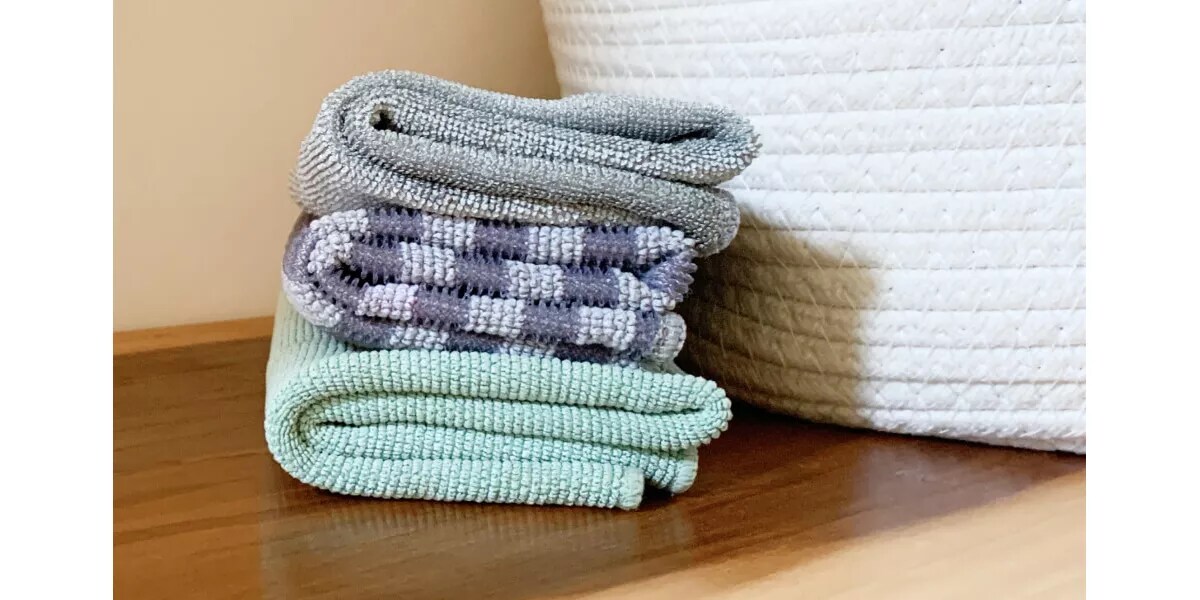
Storing microfiber cleaning cloths properly helps keep them clean and ready for use. Good storage prevents dirt, dust, and bacteria buildup. It also extends the life of each cloth. Follow simple steps to store microfiber cloths safely and neatly.
Ideal Storage Conditions
Store microfiber cloths in a dry and well-ventilated area. Avoid damp places to stop mold and mildew growth. Keep cloths away from direct sunlight to prevent damage to fibers.
Use clean containers or bins with lids to protect cloths from dust. Fold cloths neatly to save space and avoid wrinkles. Separate cloths by use or color to maintain hygiene.
Avoiding Contamination
Do not store dirty or wet microfiber cloths with clean ones. Wash cloths thoroughly before putting them away. Use separate storage for cloths used on different surfaces.
Keep microfiber cloths away from chemicals or strong smells. Store cloths in a clean area to prevent picking up dirt. Regularly check storage areas and clean if needed.
Extending Cloth Lifespan
Extending the lifespan of microfiber cleaning cloths saves money and reduces waste. Proper care helps cloths stay soft, absorbent, and effective for longer. Follow simple steps to keep your cloths in top shape.
Avoiding Common Damage
- Wash cloths separately from lint-producing fabrics like cotton.
- Use mild detergent without bleach or fabric softeners.
- Wash in warm water, not hot, to protect fibers.
- Avoid ironing or using high heat in the dryer.
- Rinse cloths well to remove all soap residues.
- Store cloths in a clean, dry place away from dust.
When To Replace Cloths
Check cloths for signs of wear before each use. Replace if fibers are breaking down or the cloth feels stiff. Stains that won’t wash out or bad odors signal it is time to get a new cloth. Using damaged cloths lowers cleaning quality and may scratch surfaces.
Credit: www.maytag.com
Special Care For Different Surfaces
Microfiber cleaning cloths work well on many surfaces. Each surface needs careful cleaning to avoid damage. Knowing how to care for these cloths helps keep them effective and safe. Special care keeps your cloths soft and your surfaces spotless.
Electronics And Screens
Use microfiber cloths gently on electronics and screens. Avoid harsh rubbing to prevent scratches. Use only dry or slightly damp cloths to clean. Do not spray liquid directly on the screen. Wipe in a circular motion for better results.
Keep cloths free from dust and dirt before use. Dirty cloths can cause tiny scratches on sensitive surfaces. Wash cloths separately to avoid lint from other fabrics. Use mild detergent and cold water for washing.
Kitchen And Bathroom Use
Microfiber cloths used in kitchens and bathrooms need extra care. These areas have grease, grime, and germs. Rinse cloths well after each use to remove residues. Wash in hot water to kill bacteria and remove oils.
Do not use fabric softeners or bleach. These can damage the fibers and reduce cleaning power. Dry cloths completely before storing to prevent mold and odors. Keep separate cloths for kitchen and bathroom to avoid cross-contamination.

Credit: www.absolutecleaning.com.sg
Frequently Asked Questions
How Often Should Microfiber Cloths Be Washed?
Microfiber cloths should be washed after every use to maintain their effectiveness. Frequent washing prevents dirt buildup and bacteria growth. Use a gentle cycle with mild detergent to preserve the fibers. Avoid fabric softeners, which can clog the cloth’s texture and reduce absorbency.
Can Microfiber Cloths Be Washed With Other Fabrics?
It’s best to wash microfiber cloths separately to avoid lint transfer. Mixing with cotton or other fabrics can reduce their cleaning power. Use cold or warm water and avoid bleach. Washing separately helps keep microfiber cloths clean and extends their lifespan.
What Is The Best Detergent For Microfiber Cloths?
Use a mild, liquid detergent without bleach or fabric softeners. Harsh chemicals can damage microfiber and reduce its cleaning ability. Opt for detergents labeled safe for delicate fabrics. Avoid powdered detergents that may leave residue on the cloth.
How Should Microfiber Cloths Be Dried Properly?
Air drying or tumble drying on low heat is ideal for microfiber cloths. High heat can damage the fibers and reduce effectiveness. Avoid using dryer sheets, as they can coat the cloth and reduce absorbency. Proper drying keeps the cloth soft and functional.
Conclusion
Caring for microfiber cloths keeps them soft and effective. Wash them often in warm water without fabric softener. Air dry or tumble dry on low heat. Avoid bleach to protect fibers and color. Store cloths in a clean, dry place.
Follow these steps to extend their life. Clean cloths mean better results every time. Simple care helps save money and the environment. Take good care, and your microfiber cloths will last long. Easy to clean, easy to use, always ready.