
Are you tired of searching for your favorite spices in a messy drawer or crowded cabinet? Imagine having all your spices neatly organized and right at your fingertips, making cooking faster and more enjoyable.
Building your own spice rack can save you time, add style to your kitchen, and give you the satisfaction of creating something useful with your own hands. You’ll discover simple steps and clever ideas to make a spice rack that fits your space and needs perfectly.
Ready to transform your cooking area and enjoy the ease of having everything in order? Let’s get started!
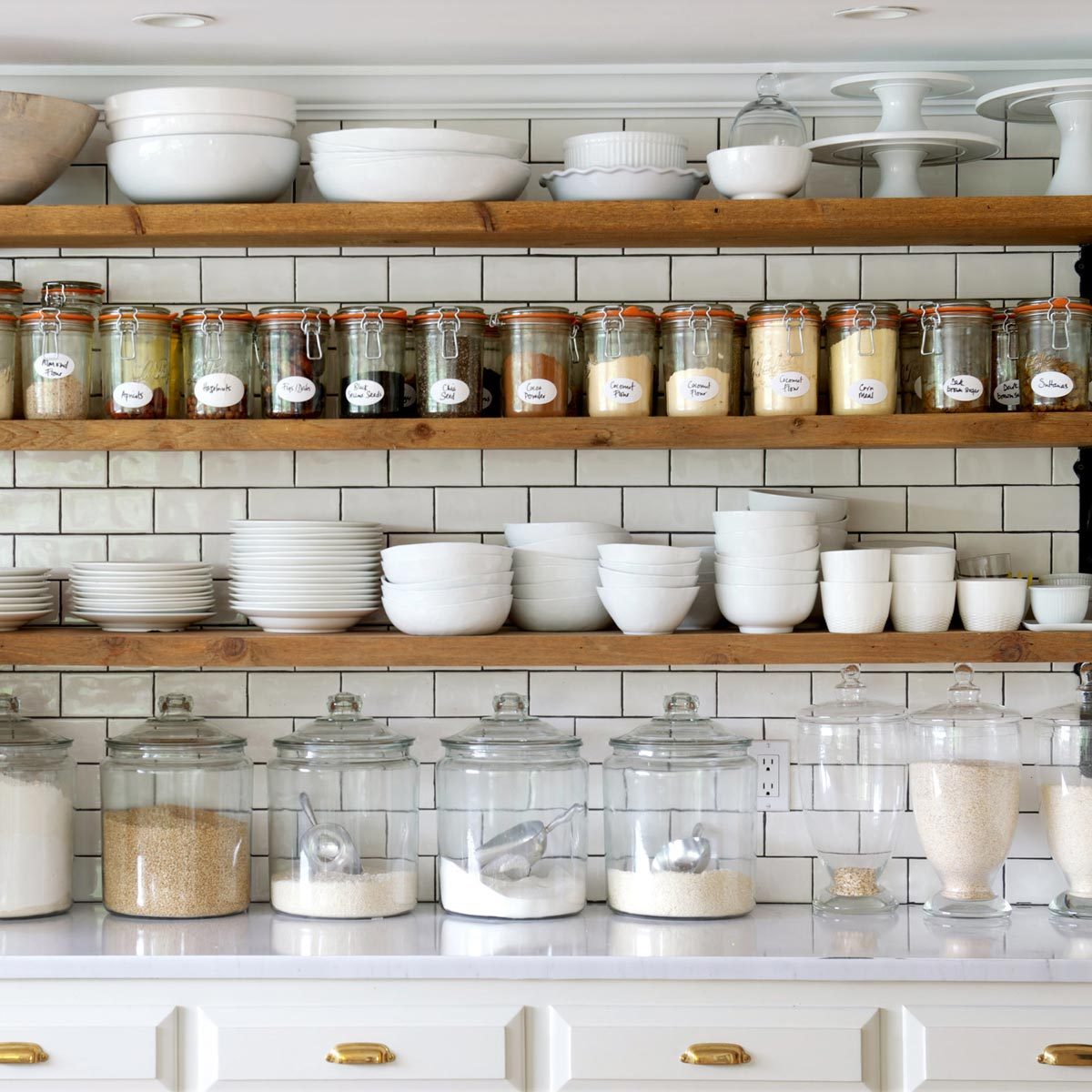
Credit: www.familyhandyman.com
Benefits Of A Diy Spice Rack
Creating your own spice rack brings many benefits. It saves money and lets you customize the design. You get a unique piece that fits your kitchen perfectly. The project is simple and fun, even for beginners. A DIY spice rack keeps your spices organized and easy to find.
Cost-effective Solution
Building a spice rack at home costs less than buying one. You can use leftover wood or recycled materials. No need to pay for brand names or fancy features. This saves money without sacrificing style or function.
Custom Fit For Your Space
A DIY spice rack matches your kitchen size and style. You choose the shape, size, and color. It fits tight spots or empty walls perfectly. This makes your kitchen look neat and well planned.
Easy Organization And Access
With your own spice rack, spices stay tidy and visible. No more digging through cluttered drawers or cabinets. Labels or clear jars help quickly find the right spice. It speeds up cooking and reduces frustration.
Personal Satisfaction And Creativity
Building a spice rack brings pride and joy. You see your work every day and feel accomplished. It’s a fun way to express creativity and try new skills. Sharing the project with family adds extra happiness.
Choosing The Right Materials
Choosing the right materials for your Do It Herself spice rack can make all the difference in both style and durability. The material you pick affects how your rack holds up over time and how it fits into your kitchen’s vibe. Think about how often you cook, your kitchen’s humidity, and the look you want before deciding.
Wood Options
Wood offers warmth and a natural touch. Pine is affordable and easy to work with, perfect if you’re new to DIY projects. Oak and maple are sturdier and resist scratches better, but they can be pricier.
Cherry wood darkens beautifully with age, adding character to your rack. If you want a rustic feel, reclaimed barn wood could be a charming choice. Have you considered how staining or painting wood can completely change its look?
Metal And Glass Choices
Metal racks bring a sleek, modern edge to your kitchen. Stainless steel is rust-resistant and strong, ideal if your kitchen gets steamy or humid. Wrought iron adds a vintage flair but might require occasional touch-ups to prevent rust.
Glass shelves or jars can make your spices easy to see and add a clean, airy feel. Tempered glass is safer and less likely to shatter. Combining metal frames with glass shelves can give your spice rack a stylish, contemporary look that’s easy to maintain.
Recycled And Upcycled Materials
Using recycled or upcycled materials turns your spice rack into a unique statement piece. Old wooden crates or pallets can be sanded and sealed for a charming, eco-friendly rack. Have you checked your local thrift stores for glass jars or metal containers that can be repurposed?
Upcycling reduces waste and adds personal value to your creation. Just make sure any materials you choose are clean and safe for kitchen use. This approach not only saves money but also sparks creativity in ways new materials might not.
Design Ideas For Every Space
Create a simple spice rack using basic materials for a neat kitchen look. Customize it to fit any space and keep spices organized. This DIY project saves money and adds a personal touch.
Designing a spice rack can be fun and practical. Whether you have a small kitchen or a large one, organizing spices is essential. A well-designed spice rack keeps your kitchen tidy and your spices accessible. Let’s explore some creative ideas for every space.
Wall-mounted Racks
Wall-mounted racks are great for saving counter space. They can hold many spice jars without cluttering your kitchen. Choose a rack that matches your kitchen decor. Wooden racks offer a rustic look, while metal ones provide a modern touch. Install them near your cooking area for easy access. Use clear labels to identify spices quickly.
Countertop Solutions
Countertop spice racks keep your spices within arm’s reach. They are perfect for those who love cooking often. Lazy Susans are a popular choice. They spin, making it easy to find the spice you need. Tiered racks allow you to see all spices at once. Choose a design that suits your style and space.
Drawer Inserts
Drawer inserts keep your spices organized and hidden. They are ideal for kitchens with limited wall and counter space. Inserts fit snugly in drawers and hold spices in place. Use adjustable inserts for different jar sizes. This solution keeps your spices out of sight but easy to find. Make sure to label the tops of jars for quick identification.

Credit: www.facebook.com
Creative Labeling Techniques
Creative labeling techniques can transform your DIY spice rack from ordinary to exceptional. Clear labels not only help you find spices quickly but also add a personal touch to your kitchen space. Experimenting with different styles lets you match your rack to your home’s vibe and makes cooking more enjoyable.
Chalkboard Labels
Chalkboard labels offer a flexible and reusable way to organize your spices. You can write the spice name in chalk or chalk marker and erase it whenever you switch contents.
These labels create a rustic, handmade look that suits casual kitchens. Plus, their dark background makes white or colored chalk stand out vividly, improving readability.
Have you considered how easy it could be to update your spice rack after grocery shopping? Chalkboard labels let you change names without hassle.
Handwritten Tags
Handwritten tags add a charming, personal feel to your spice rack. Use sturdy cardstock or craft paper, punch a hole, and tie the tag to the jar with twine or ribbon.
Your handwriting style makes each jar unique. You can even add small drawings or spice descriptions to make the tags informative and decorative.
Think about how your handwriting can connect you to the spices you use daily. It’s a small detail that makes your kitchen feel truly yours.
Printed Stickers
Printed stickers offer a clean, professional look for your spice rack labels. You can design them on your computer with neat fonts and graphics, then print on adhesive paper.
This option is perfect if you want uniformity and precision. You can include spice names, origin, and even cooking tips in a compact design.
Consider how much easier it is to read labels when they are clear and consistent. Printed stickers can save time and reduce mistakes while cooking.
Color Coding For Easy Access
Color coding your spice rack can transform the way you cook. It turns a chaotic collection into a system that saves time and reduces frustration. By assigning colors based on different criteria, you can find what you need quickly and even inspire creativity in your kitchen.
By Spice Type
Organizing spices by type and then using colors to group them makes sense. For example, you could use green labels for herbs like basil, thyme, and oregano. Red could mark spicy options such as chili powder and cayenne.
This way, your eyes immediately know where to look. You won’t waste time hunting for that one spice. Plus, it helps prevent mixing up similar jars.
By Cuisine
Assigning colors based on cuisine helps you stay in the right flavor zone. Imagine blue for Mediterranean spices like za’atar and sumac, and yellow for Indian spices like turmeric and cumin. This approach can guide your cooking mood and ingredient choices.
It’s like having a mini travel guide on your rack. You can quickly grab all you need for a taco night or an Italian dinner without second-guessing. What cuisine do you find yourself cooking most often?
By Usage Frequency
Color coding by how often you use a spice streamlines your cooking flow. Bright colors can highlight daily essentials like salt and black pepper, while muted tones mark spices you use rarely. This setup helps prioritize what’s within easy reach.
When I tried this, my go-to spices were always front and center. It saved me a few seconds each time I cooked—small gains add up. Have you noticed how much time you spend searching for that one spice jar?

Credit: www.facebook.com
Incorporating Style With Function
Creating a spice rack that looks great and works well is key to a useful kitchen. Style should not block function, and function should not ignore style. A well-designed spice rack keeps spices handy and adds charm to the space. Choosing the right style helps the rack blend with the kitchen’s theme. Here are some popular design ideas to inspire your DIY spice rack.
Rustic And Vintage Looks
Rustic spice racks bring a warm, cozy feel to any kitchen. Use natural wood with rough edges or reclaimed materials. Distressed paint and metal hooks add old-world charm. These racks fit well in country or farmhouse kitchens. They show off spices in glass jars with simple labels. The rugged look pairs perfectly with wooden shelves or brick walls.
Modern Minimalist Designs
Modern racks focus on clean lines and simplicity. Choose smooth wood or metal with neutral colors like black or white. Designs often feature geometric shapes or floating shelves. Keep labels clear and uniform to match the sleek look. This style works well in small kitchens with limited space. It highlights the spices without cluttering the counter or walls.
Boho And Eclectic Styles
Boho spice racks use bright colors and mixed materials. Combine wood, metal, and woven baskets for texture. Paint jars in fun colors or add handwritten labels. This style suits kitchens with lots of personality and art. It makes the spice rack a focal point that sparks joy. The casual, laid-back vibe invites creativity in cooking and decor.
Step-by-step Building Tips
Building your own spice rack can be a fun and rewarding project. It gives you control over the size, style, and materials, making sure it fits perfectly in your kitchen. Let’s dive into some practical tips that will help you build a sturdy and attractive spice rack from scratch.
Measuring And Planning
Start by figuring out where your spice rack will live. Measure the available space carefully, noting the height, width, and depth.
Think about how many spice jars you want to store and their sizes. This helps you decide the number of shelves and the spacing between them.
Sketch a simple design on paper or use free online tools. Planning well here saves time and frustration later on.
Cutting And Assembly
Choose your wood or material based on durability and style. Pine is easy to work with, while hardwoods last longer.
Use a saw to cut the pieces according to your measurements. Take your time to ensure straight, clean cuts — it makes assembly easier.
Assemble the frame with nails or screws, but pre-drill holes to avoid splitting the wood. Clamps can hold pieces steady while you work.
Finishing Touches
Sanding the edges smooth prevents splinters and gives a polished look. Don’t skip this step; it’s worth the effort.
Add paint, stain, or a clear finish to protect the wood and match your kitchen decor. If you want, attach labels or small hooks for extra organization.
Have you thought about customizing your rack with a unique feature, like angled shelves for better jar visibility? Small tweaks can make your DIY spice rack truly your own.
Maintenance And Upkeep
Keeping your Do It Herself spice rack in good shape makes cooking easier and more enjoyable. Proper maintenance helps spices stay fresh and your rack look neat. Regular care saves time and prevents mess.
Cleaning Methods
Dust and spills can build up on your spice rack. Wipe shelves and containers often with a damp cloth. Use mild soap and warm water for glass jars. Avoid harsh chemicals that can damage wood or paint. Dry everything completely before placing spices back.
Refilling And Organizing
Check spice levels regularly to avoid running out mid-recipe. Refill containers with fresh spices from bulk bags or original packaging. Group spices by type or use, such as herbs, baking spices, or hot spices. Arrange jars so labels face forward for quick access.
Updating Labels
Labels can fade or peel over time. Replace old labels with clear, easy-to-read ones. Use waterproof markers or printed labels to prevent smudging. Include spice name and purchase date to track freshness. Well-labeled jars reduce confusion and speed up cooking.
Frequently Asked Questions
What Materials Are Best For A Diy Spice Rack?
Wood, metal, and acrylic are popular materials for DIY spice racks. Wood offers a rustic look, metal is durable, and acrylic provides a modern feel. Choose based on your kitchen style and durability needs. Easy-to-handle materials also simplify the building process.
How Much Space Does A Homemade Spice Rack Save?
A homemade spice rack optimizes vertical space, saving up to 50% counter or cabinet area. It helps keep spices organized and accessible. Custom sizing fits your kitchen layout perfectly, reducing clutter effectively. This enhances your cooking efficiency.
Can I Customize A Diy Spice Rack Design?
Yes, DIY spice racks are highly customizable. You can adjust size, shape, and compartments to fit your spice jars. Personalize colors and finishes to match your kitchen decor. Custom designs also allow for unique storage solutions, maximizing usability.
How Do I Mount A Spice Rack Securely?
Use wall anchors or screws suitable for your wall type to mount a spice rack. Ensure it is level and sturdy to prevent falls. For heavier racks, use multiple mounting points for better weight distribution. Proper mounting keeps your spices safe.
Conclusion
Creating your own spice rack saves space and keeps spices organized. It makes cooking faster and more fun. You choose the style that fits your kitchen best. Plus, it helps reduce clutter and waste. A DIY spice rack adds a personal touch to your home.
Try making one today to enjoy fresh spices every day. Simple, useful, and neat. What’s not to like?