
Choosing the best frying pan surface can change the way you cook and enjoy your meals. You want a pan that heats evenly, cleans easily, and lasts a long time.
But with so many options out there, how do you know which one suits your kitchen and cooking style? You’ll discover the pros and cons of different frying pan surfaces. By the end, you’ll feel confident picking the perfect pan that makes every meal better.
Keep reading to find out what really works for you.
Types Of Frying Pan Surfaces
Choosing the right frying pan surface can change the way you cook and clean up afterward. Each surface type offers unique benefits and challenges that affect your cooking style and the dishes you prepare. Understanding these differences helps you pick a pan that fits your kitchen and your taste.
Non-stick Coatings
Non-stick pans are popular because they make cooking and cleaning easy. The smooth surface stops food from sticking, so you often need less oil or butter. However, these coatings can scratch easily and may wear out over time, especially if you use metal utensils.
If you love making eggs or pancakes, a non-stick pan can be a game-changer. But ask yourself: How often do you cook at high heat? Non-stick surfaces usually don’t handle very high temperatures well.
Stainless Steel
Stainless steel pans are durable and great for searing meat or sautéing vegetables. They hold heat evenly and can go from stovetop to oven without a problem. The downside is that food can stick if the pan isn’t hot enough or if you don’t use enough oil.
I remember trying to fry chicken without heating my stainless steel pan properly—big mistake. It stuck badly, and cleanup took forever. The trick is to preheat the pan and add oil before food hits the surface.
Cast Iron
Cast iron pans are known for their excellent heat retention and even cooking. They develop a natural non-stick surface over time, called seasoning, making them ideal for frying, baking, and even slow cooking. The only catch is they require regular maintenance to keep them rust-free and seasoned.
Do you mind a heavier pan that needs extra care? If not, cast iron can last a lifetime and improve with use. Plus, it adds a bit of iron to your food, which some find beneficial.
Ceramic
Ceramic pans offer a non-stick surface free from chemicals like PTFE and PFOA. They provide a smooth cooking experience and look great with their shiny, often colorful finish. However, ceramic coatings can wear out faster than traditional non-stick surfaces, especially if not handled gently.
If you prefer eco-friendly options, ceramic might appeal to you. But consider how often you’re willing to replace your pan, as the coating can chip or fade after extended use.
Carbon Steel
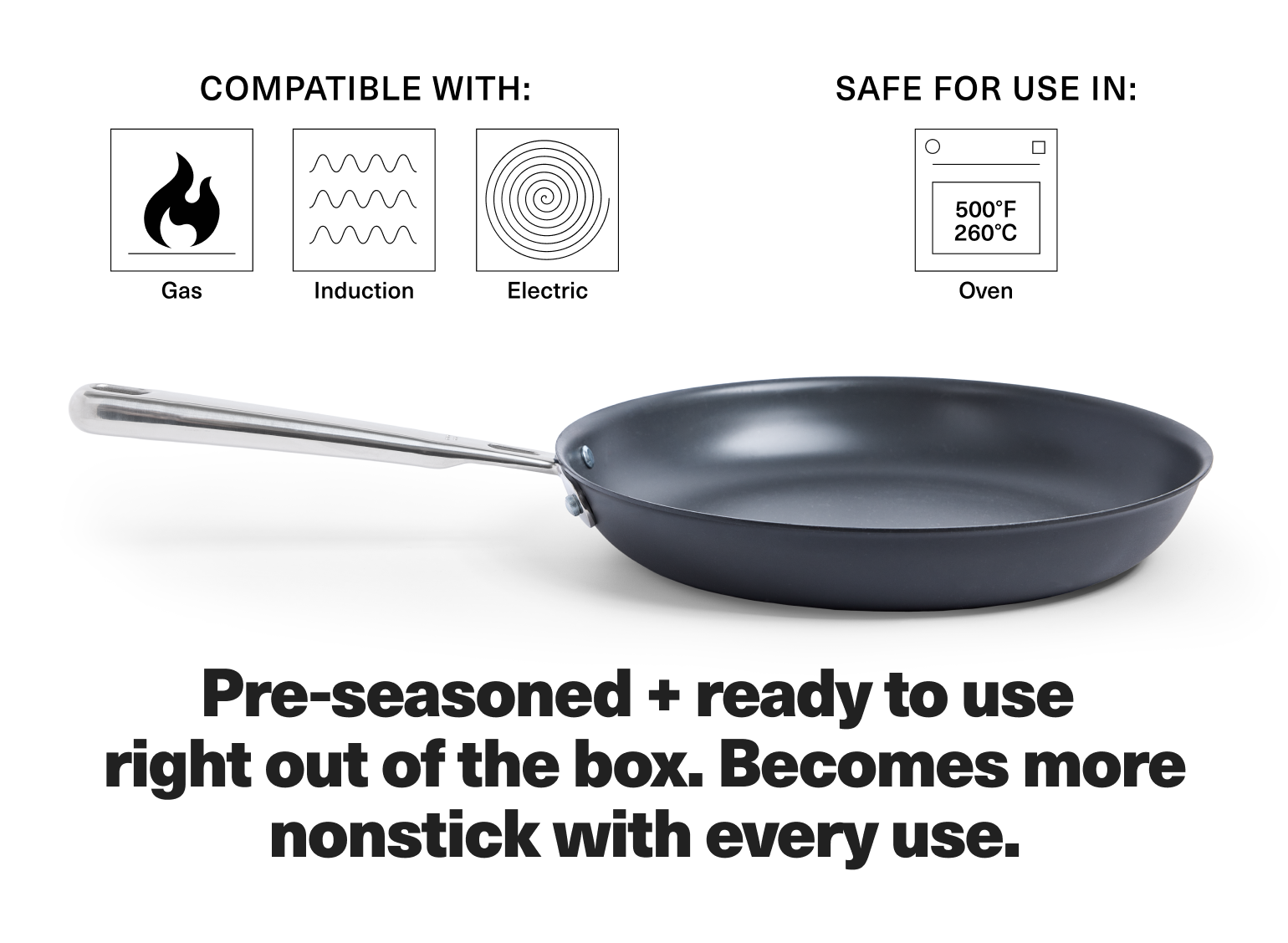
Carbon steel pans are lighter than cast iron but share many of its benefits, including great heat conduction and the ability to develop a non-stick patina with seasoning. They heat quickly and are perfect for high-heat cooking like stir-frying and searing. Carbon steel also requires seasoning and regular care to prevent rust.
Have you tried carbon steel for your quick weekday meals? Its responsiveness to temperature changes can help you control cooking more precisely than cast iron.

Credit: www.bbcgoodfood.com
Pros And Cons Of Each Surface
Choosing the right frying pan surface can change your cooking experience significantly. Each surface type has its own set of advantages and drawbacks that affect how you cook, clean, and maintain your pan. Understanding these pros and cons helps you pick a pan that fits your cooking style and kitchen needs.
Durability And Maintenance
Some frying pan surfaces like stainless steel are incredibly durable and resist scratches and dents. You can use metal utensils without worrying about damage. However, they might require more effort to clean if food sticks.
Non-stick surfaces make cleaning very easy since food rarely sticks, but they tend to wear out faster. You need to avoid high heat and metal tools to keep the coating intact. Cast iron pans build seasoning over time, making them more non-stick but need regular oiling to prevent rust.
Heat Distribution
Cast iron and copper pans are champions at spreading heat evenly, which helps you cook food uniformly. This can prevent hotspots that burn food in some areas while leaving others undercooked.
Aluminum pans heat up quickly but might have uneven heat distribution if they don’t have a thick base or special coating. Non-stick pans often have a thin aluminum core, so they heat fast but unevenly, requiring you to monitor cooking closely.
Cooking Performance
Stainless steel pans excel at searing meats and creating a nice crust because they can handle high heat. They also allow you to deglaze the pan to make sauces directly after cooking.
Non-stick pans are perfect for delicate foods like eggs or pancakes where sticking ruins the texture. However, they don’t brown food as well as stainless steel or cast iron.
Cast iron shines when slow-cooking or frying because it holds heat long and steady, making it ideal for dishes that need consistent temperature.
Health And Safety
Non-stick coatings can release harmful fumes if overheated, so you must use them on low to medium heat. Some older pans may have coatings with toxic chemicals, so always check for PFOA-free labels.
Cast iron adds a small amount of iron to your food, which can be beneficial if you need more iron in your diet. Stainless steel is inert and doesn’t leach chemicals, making it a safe choice for all types of cooking.
Are you willing to trade a bit of maintenance for better health safety? Your choice of frying pan surface might depend on how much care you want to put into your cookware and how you balance convenience with health.
Choosing The Right Surface For Your Cooking Style
Choosing the right frying pan surface can make a world of difference in your cooking experience. It’s not just about the aesthetics or the brand name; it’s about finding the surface that complements your cooking style. Whether you’re an enthusiast of high-heat searing or prefer low-fat cooking, understanding your needs will guide you to the perfect frying pan.
High-heat Cooking
If you’re a fan of quick sears and achieving that perfect golden crust, a stainless steel or cast iron pan might be your best bet. These surfaces are known for their ability to withstand high temperatures without warping or releasing harmful chemicals. Picture yourself searing a steak to perfection, locking in flavors with that irresistible sizzle. Can your current pan handle that?
Low-fat Cooking
For those who prioritize health and are keen on reducing oil usage, non-stick surfaces like Teflon or ceramic are ideal. These pans allow you to cook delicate foods like eggs or fish with minimal added fat. It’s a game-changer when you’re aiming for a healthier lifestyle without sacrificing taste. Imagine flipping a pancake effortlessly with no mess left behind.
Versatility Needs
Do you need a pan that can do it all? A good all-rounder like anodized aluminum might be the answer. This surface offers both durability and a degree of non-stick properties, making it suitable for a range of cooking techniques. Whether you’re stir-frying vegetables or simmering a sauce, this pan adapts to your culinary creations with ease.
Ease Of Cleaning
Cleaning up shouldn’t be a chore. Non-stick surfaces generally offer the easiest clean-up, with food residue sliding off effortlessly. However, if you don’t mind a bit of extra care, stainless steel and cast iron pans can last a lifetime with proper maintenance. Reflect on how much time you’re willing to spend scrubbing versus enjoying your meal.
Ultimately, choosing the right frying pan surface is about aligning with your cooking habits and preferences. Ask yourself: does your current pan enhance your cooking experience or hold you back? The perfect surface might just be the key to unlocking your culinary potential.

Credit: www.amazon.com
Tips For Maintaining Frying Pan Surfaces
Maintaining frying pan surfaces extends their lifespan and improves cooking results. Proper care keeps surfaces smooth and non-stick. It prevents rust, scratches, and other damage. Follow simple tips to protect your pans and enjoy better meals.
Cleaning Best Practices
Clean pans after each use to avoid buildup. Use warm water and mild dish soap. Avoid harsh detergents that can wear down surfaces. Soft sponges or cloths work best. For stuck food, soak the pan briefly before wiping. Never use steel wool or abrasive pads. Dry pans completely to prevent rust or water spots.
Avoiding Surface Damage
Use wooden, silicone, or plastic utensils to protect the surface. Avoid metal tools that can scratch non-stick coatings. Do not overheat empty pans, as this damages coatings. Cook on low to medium heat for better results. Store pans carefully, avoiding stacking without protection. Place paper towels or cloth between pans if stacking is necessary.
Seasoning And Care
Some pans, like cast iron, need regular seasoning. Apply a thin layer of oil and heat the pan to keep it non-stick. Re-season if the surface looks dull or sticky. For stainless steel, polish occasionally to keep shine. Follow manufacturer instructions for special coatings. Proper care enhances cooking and keeps pans lasting longer.
Popular Brands And Models
Choosing the right frying pan surface often comes down to trusted brands and their standout models. Each brand brings unique features and technologies that can change how you cook daily. Knowing which options lead the market helps you pick a pan that fits your cooking style and budget.
Top Non-stick Pans
Non-stick pans are perfect for quick meals and easy cleanup. Brands like T-fal, Calphalon, and GreenPan offer reliable options.
- T-fal E93808 Professional Nonstick:Known for its durable coating and even heat distribution, it’s great for beginners.
- Calphalon Contemporary Nonstick:This pan heats evenly and lasts long, ideal for daily use.
- GreenPan Venice Pro Ceramic:Free from harmful chemicals and offers a natural non-stick surface.
Have you ever struggled with food sticking or scrubbing tough stains? These pans can change your cooking experience completely.
Best Cast Iron Options
Cast iron pans excel at heat retention and develop a natural non-stick surface over time. Lodge and Le Creuset dominate this category.
- Lodge Cast Iron Skillet:Affordable and pre-seasoned, it’s a kitchen staple for many home cooks.
- Le Creuset Enameled Cast Iron:Combines classic cast iron heat with an easy-to-clean enamel surface.
Using cast iron can seem intimidating at first, but once seasoned, it rewards you with unparalleled cooking performance. Do you enjoy the idea of a pan that improves with age?
Quality Stainless Steel Choices
Stainless steel pans are known for their durability and ability to sear food beautifully. Look for models from All-Clad and Cuisinart.
- All-Clad D3 Stainless Steel:Offers excellent heat conduction and a polished finish.
- Cuisinart Multiclad Pro:Provides professional-grade performance at a reasonable price.
Stainless steel requires some skill to avoid sticking, but the results can be worth the effort. Are you ready to master cooking with a pan that lasts a lifetime?
Credit: misen.com
Frequently Asked Questions
What Is The Best Frying Pan Surface For Non-stick Cooking?
The best non-stick frying pan surfaces are ceramic and PTFE-based coatings. They offer easy food release and require less oil, making cooking and cleaning simple and healthy.
How Durable Are Stainless Steel Frying Pan Surfaces?
Stainless steel surfaces are highly durable and resistant to scratches and corrosion. They offer excellent heat retention but require proper seasoning or oil to prevent food sticking.
Are Cast Iron Frying Pans Good For Cooking?
Yes, cast iron pans provide excellent heat distribution and retention. They develop a natural non-stick surface with seasoning and are ideal for high-heat cooking and searing.
Which Frying Pan Surface Is Safest For Health?
Ceramic and stainless steel frying pans are generally safer as they do not release harmful chemicals. Avoid scratched non-stick coatings to prevent potential toxin exposure.
Conclusion
Choosing the best frying pan surface depends on your cooking needs. Non-stick pans suit easy cleanup and low-fat cooking. Stainless steel offers durability and high heat tolerance. Cast iron provides excellent heat retention but needs care. Consider what you cook most and how you maintain your pans.
A good pan makes cooking simpler and more fun. Test different surfaces to find your perfect match. Your kitchen deserves a pan that fits your style. Keep these tips in mind when shopping next time.