
Are you ready to start spoon carving but unsure which wood will give you the best results? Choosing the right wood is key to making your carving smooth, enjoyable, and long-lasting.
The wood you pick affects how easy it is to shape your spoon and how beautiful it will look once finished. You’ll discover the top woods that every spoon carver swears by. By the end, you’ll know exactly what wood to choose for your next project—making your carving experience easier and more rewarding.
Keep reading to find out which wood will bring your spoon carving skills to the next level!
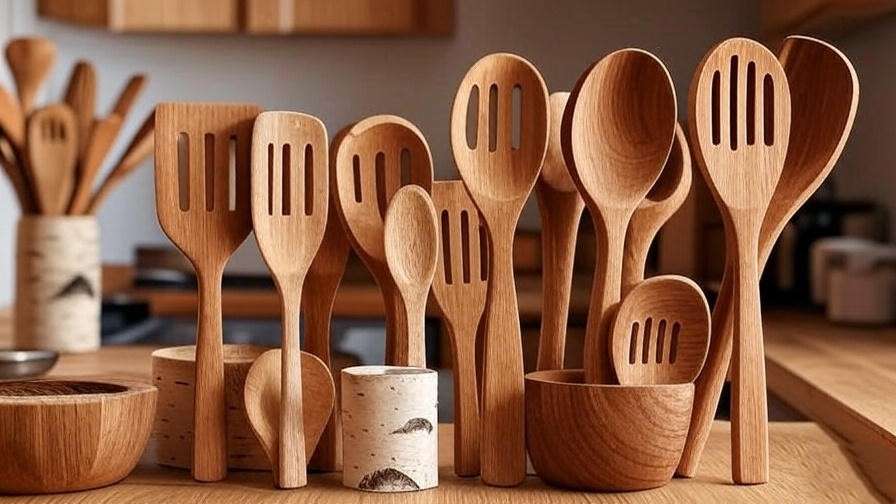
Credit: treecarezone.com
Choosing Wood For Spoon Carving
Choosing the right wood is key for spoon carving. The wood affects the carving ease and the final look. Some woods carve smoothly, while others can be tough or splintery. Selecting a suitable wood helps you enjoy the craft and create a beautiful spoon.
Key Wood Qualities
Good carving wood is soft but strong. It should be easy to cut but not crumbly. Smooth grain helps the knife glide well. Avoid wood with many knots or cracks. Fresh, green wood is often best for carving. It shapes easily and sands smoothly. The wood must be safe for food contact if you use the spoon for eating.
Softwood Vs Hardwood
Softwood is usually easier to carve. Pines and cedars fall in this group. They are lighter and less dense. Softwoods can be less durable but are good for beginners.
Hardwood is tougher and lasts longer. Examples include cherry, maple, and walnut. Hardwoods have tighter grain and a nicer finish. They need sharper tools and more effort but yield strong spoons.
Choosing between softwood and hardwood depends on skill and purpose. Softwood suits practice and quick projects. Hardwood works well for lasting, beautiful spoons.
Top Woods For Beginners
Choosing the right wood is key to a great spoon carving experience. Beginners need wood that is soft, easy to carve, and widely available. The best woods for beginners offer smooth cuts and less chance of splintering. This helps build confidence and skill quickly. Below are two popular woods that suit new carvers well.
Basswood Benefits
Basswood is a favorite among beginners for many reasons:
- Soft texture makes carving easier and faster.
- Fine and even grain reduces splintering.
- Light color helps see carving details clearly.
- Widely available and affordable for practice.
- Holds detail well for smooth finishes.
Basswood feels gentle on carving tools. It allows beginners to learn cuts without much effort. This wood also sands down smoothly, making final touches simple.
Birch Characteristics
Birch is another excellent wood for new carvers. It offers a bit more firmness than basswood but remains easy to shape:
- Fine grain provides a clean carving surface.
- Moderate hardness helps create durable spoons.
- Light color with a subtle pattern adds beauty.
- Commonly found in many craft stores.
- Responds well to both hand and power tools.
Birch stands up to repeated use, which is good for spoons. It requires a bit more care but rewards with strong, attractive results.
Best Woods For Durability
Hardwoods like cherry, walnut, and maple offer great durability for spoon carving. These woods resist wear and hold detail well, making them ideal choices. Their fine grain also ensures smooth, lasting finishes on your carved spoons.
Choosing the right wood for spoon carving ensures durability. Durable woods endure frequent use and maintain their structure. Let’s explore two popular options known for their resilience.
Cherry Wood Features
Cherry wood is a favorite for its beauty and strength. Its smooth texture is perfect for carving intricate designs. Cherry wood resists cracking and warping, making it ideal for long-lasting spoons. The rich color adds a touch of elegance to your creations. Its fine grain enhances detailed work and finishing.
Maple Strength
Maple is renowned for its toughness. This wood withstands daily use without losing its form. Its dense structure provides stability while carving. Maple’s light color allows for easy staining or painting. The hard surface ensures your spoon remains intact over time. This wood is a reliable choice for those seeking durable utensils.

Credit: www.instagram.com
Woods With Unique Grain Patterns
Woods with unique grain patterns add character to spoon carving projects. These woods offer natural beauty that stands out in each piece. Grain patterns create interesting textures and contrasts on the spoon’s surface. They make every spoon look one of a kind.
Choosing wood with striking grains enhances the visual appeal. It also gives a natural artistic touch without extra work. These woods are popular among carvers who want both beauty and function. Let’s explore two woods known for their unique grains.
Walnut Aesthetics
Walnut wood features dark, rich tones with swirling grain lines. Its grain often shows waves and curls that add depth. The color ranges from chocolate brown to lighter amber shades.
Walnut carves smoothly and holds detail well. The grain pattern highlights the spoon’s curves and edges. This wood ages gracefully, darkening slightly over time. It offers a warm, classic look for handcrafted spoons.
Olivewood Appeal
Olivewood has bold, intricate grain patterns with contrasting light and dark streaks. Its grain often forms unique swirls and spots that catch the eye. The color varies from creamy yellow to deep brown tones.
This wood is dense and durable, perfect for daily use spoons. Olivewood’s striking grain makes each spoon a piece of art. It has a smooth finish and a natural sheen after polishing.
Safety And Food-grade Considerations
Choosing the right wood for spoon carving involves more than just appearance and workability. Safety and food-grade qualities are crucial. The wood must be safe to use with food. Toxic woods can harm health or change food taste. Understanding which woods are non-toxic and how to finish spoons for edible use ensures safe, enjoyable utensils.
Non-toxic Wood Types
Select woods known for their safety and non-toxicity. These woods do not release harmful chemicals or bitter tastes.
- Maple – Hard and smooth, great for carving and food use.
- Cherry – Easy to carve with a beautiful finish.
- Beech – Dense wood that resists bacteria well.
- Ash – Strong and safe for kitchen tools.
- Birch – Light color and fine grain, ideal for spoons.
Avoid woods like walnut, cedar, or oak for spoons. They may cause allergic reactions or taste issues.
Finishing Tips For Edible Use
Finishing the spoon properly protects the wood and food. Use only food-safe finishes. These keep the spoon smooth and cleanable.
- Mineral oil – Non-toxic, easy to apply, and safe for food.
- Beeswax – Natural and adds a protective layer.
- Walnut oil – Safe but may cause allergies in some people.
- Coconut oil – Good for conditioning wood but can spoil over time.
Do not use finishes with chemicals or solvents. Let the finish dry fully before use. Reapply finishes regularly to maintain safety and appearance.
Tools And Techniques For Different Woods
Choosing the right tools and techniques matters a lot in spoon carving. Different woods need different handling. Soft woods carve easily but require delicate tools. Hard woods need sharper tools and more effort. Knowing how to adjust your approach saves time and improves results.
Carving Softer Woods
Soft woods like basswood and pine are perfect for beginners. These woods cut smoothly with basic tools. A sharp carving knife works well. Use gouges for shaping curves and details. Soft wood chips away easily, so apply gentle pressure.
Keep your tools sharp to avoid tearing the wood. Sanding after carving helps create a smooth finish. Use fine-grit sandpaper for the best results. Soft woods also allow quicker progress, making carving fun and rewarding.
Handling Harder Woods
Hard woods like cherry, maple, and walnut need tougher tools. Stronger knives and specialized chisels work best. Use a carving glove to protect your hands. Carve slowly to avoid splintering the wood.
Maintain tool sharpness with regular honing. Hard woods require more time for shaping and smoothing. Use rasps and files to refine shapes. Sand with medium to fine grit paper for a polished look.
Sourcing Quality Wood
Choosing the right wood is key to successful spoon carving. Quality wood shapes the final product’s look and feel. It should be easy to carve and safe for use with food. Finding wood that fits these needs means paying attention to its source and type. Proper sourcing also helps maintain the wood’s natural beauty and durability.
Good wood starts with knowing where to find it and selecting options that protect the environment. This approach ensures every spoon is a piece of art made from responsible materials.
Where To Buy Spoon Carving Wood
Specialty wood stores offer a wide range of carving woods. They provide detailed information about the wood’s origin and quality. Online marketplaces also sell spoon carving wood with customer reviews to guide buyers. Local sawmills can supply fresh, untreated wood perfect for carving. Farmers markets or craft fairs sometimes feature wood from nearby forests.
When buying, check for:
- Wood that is dry but not cracked
- Pieces free from knots and defects
- Wood species known for carving ease
Sustainable Wood Choices
Using sustainable wood supports forest health and future carving projects. Look for wood certified by groups like FSC (Forest Stewardship Council). These woods come from responsibly managed forests. Choosing local wood reduces transport impact and supports local economies. Common sustainable woods for spoon carving include maple, cherry, and birch. These are renewable and grow relatively fast.
Reclaimed wood offers another eco-friendly option. It reuses old wood, giving it new life as a spoon. Avoid woods treated with chemicals or finishes that can harm health or tools.

Credit: beavercrafttools.com
Frequently Asked Questions
What Wood Is Best For Beginner Spoon Carving?
Basswood is ideal for beginners due to its softness and fine grain. It carves easily and reduces tool wear. This wood is widely available and affordable, making it perfect for practice and learning spoon carving techniques.
Which Hardwoods Are Good For Durable Spoons?
Cherry, maple, and walnut are excellent hardwoods for durable spoons. They have tight grains that resist cracking and wear. These woods also provide a beautiful finish, ensuring longevity and aesthetic appeal in your carved utensils.
Can Softwoods Be Used For Spoon Carving?
Yes, softwoods like pine and cedar can be used but are less durable. They are easier to carve but may dent or wear quickly. Softwoods are suitable for decorative spoons rather than everyday use.
How Does Wood Grain Affect Spoon Carving?
Wood grain direction affects carving ease and spoon strength. Carving with the grain reduces splitting and tool damage. A straight, fine grain is preferable for smooth carving and a strong final product.
Conclusion
Choosing the best wood for spoon carving depends on your needs and skill. Softwoods like basswood are easy to carve for beginners. Hardwoods such as cherry or walnut offer durability and a smooth finish. Each wood type brings unique qualities to your project.
Experiment with different woods to find your favorite. Enjoy the process and create beautiful, hand-carved spoons. Keep practicing and improving your carving skills every day. Wood choice matters, but your creativity matters more.