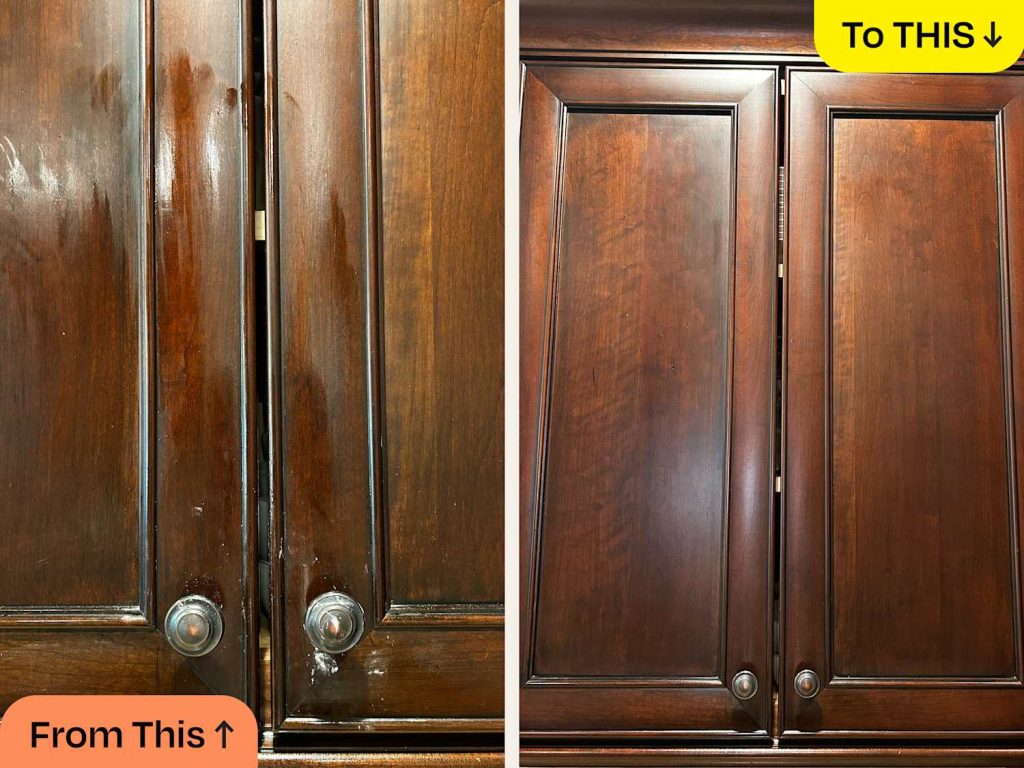
Are your kitchen cabinets looking dull or sticky from everyday cooking mess? You want them clean and fresh, but choosing the right product can be confusing.
What if there was a simple solution that works quickly and keeps your cabinets shining without damage? You’ll discover the best products to make your kitchen cabinets spotless and beautiful again. Keep reading to find out how to bring back that fresh, clean look you deserve.
Types Of Kitchen Cabinet Materials
Cleaning kitchen cabinets effectively depends a lot on the material they are made of. Different materials react differently to cleaning products, so choosing the right cleaner can save you time and prevent damage. Understanding the types of kitchen cabinet materials helps you pick the best product to keep your cabinets looking fresh and new.
Wood Cabinets
Wood cabinets are classic and add warmth to any kitchen. They require gentle cleaning products that don’t strip away the finish or cause warping. A mild soap mixed with water or specialized wood cleaners work best to protect the wood’s natural beauty.
Have you ever noticed streaks or dullness after cleaning wood cabinets? That usually means the cleaner was too harsh or left a residue. Always wipe with a soft cloth and dry immediately to avoid moisture damage.
Laminate Cabinets
Laminate cabinets are budget-friendly and easy to maintain. They handle most household cleaners well but can be damaged by abrasive scrubs. Using a non-abrasive cleaner or a mix of vinegar and water can remove grease and dirt effectively.
Do you struggle with sticky spots or stains? Try using a soft sponge and avoid harsh chemicals to prevent the laminate surface from peeling or discoloring over time.
Thermofoil Cabinets
Thermofoil cabinets have a vinyl finish that can be sensitive to heat and harsh chemicals. Avoid using strong solvents or abrasive pads, as they can cause bubbling or peeling. Mild detergents and warm water usually do the trick.
Have you seen tiny bubbles or cracks after cleaning? This might mean the cleaner or water was too hot. Always test a small area first and use room-temperature solutions for the best care.
Metal Cabinets
Metal cabinets, often found in modern or industrial kitchens, need products that prevent rust and maintain shine. Mild soaps and water are safe, but avoid bleach or acidic cleaners that can corrode the metal.
To keep metal cabinets looking their best, dry them thoroughly after cleaning and consider a polish designed for metal surfaces. Have you noticed fingerprints or smudges? A microfiber cloth can help wipe them away without scratching.

Credit: www.youtube.com
Common Kitchen Cabinet Stains
Kitchen cabinets often face a variety of stains that can be stubborn and tricky to remove. Knowing the type of stain you’re dealing with helps in choosing the right cleaning product. Let’s look at some of the most common stains that affect kitchen cabinets and how they can impact your cleaning routine.
Grease And Oil
Grease and oil stains come from cooking splatters and hands touching cabinet surfaces. These stains feel sticky and attract dust, making cabinets look dull quickly. Using a cleaner that cuts through grease without damaging the finish is essential for restoring shine.
Water Spots
Water spots appear when moisture dries on the cabinet surface, often leaving white or cloudy marks. These spots are common near sinks or dishwashers where water splashes frequently. A gentle cleaner that removes mineral deposits without harsh scrubbing can protect your cabinets from damage.
Food Residue
Leftover food particles and spills can leave stains or sticky patches on cabinets. Sugary or acidic residues from sauces can cause discoloration if not cleaned promptly. Quick action with a mild cleaner prevents stains from setting and keeps cabinets looking fresh.
Mold And Mildew
Mold and mildew thrive in damp, poorly ventilated kitchen areas and often grow on cabinet surfaces. These stains not only discolor the wood but can also cause health issues. Using a cleaner with anti-fungal properties is crucial to both clean and protect your cabinets effectively.
Top Cleaning Products For Cabinets
Choosing the right product to clean your kitchen cabinets can make a huge difference in maintaining their look and durability. Different cabinet materials and finishes respond better to specific cleaners. Knowing which product suits your cabinets ensures effective cleaning without damage.
All-purpose Cleaners
All-purpose cleaners are a convenient option for everyday cabinet cleaning. They work well on a variety of surfaces and quickly remove dirt and light stains. Look for products that are gentle enough to avoid stripping finishes but strong enough to cut through grime.
Many brands offer spray bottles with antibacterial properties, which is an added bonus for kitchen hygiene. Just be sure to test on a small area first to avoid discoloration. Have you noticed how some all-purpose cleaners leave a sticky residue? Choosing one that rinses clean can save you extra wiping.
Natural Cleaning Solutions
If you prefer avoiding harsh chemicals, natural cleaning solutions are worth trying. Ingredients like vinegar, baking soda, and lemon juice can tackle stains and grease without harming your cabinets. These options are also eco-friendly and safe for households with pets or children.
Mixing a solution of warm water and mild dish soap is surprisingly effective for regular cleaning. Adding a few drops of essential oils can help mask vinegar’s strong smell. Have you experimented with natural solutions? You might find they work better than commercial products for light maintenance.
Specialty Wood Cleaners
Wood cabinets need extra care to preserve their finish and prevent drying or cracking. Specialty wood cleaners are formulated to nourish the wood while cleaning. These products often contain oils or conditioners that restore natural shine.
Using a wood cleaner regularly can extend the life of your cabinets and keep them looking fresh. Be cautious with products that contain silicone, as they might build up and attract dust. What’s your experience with wood-specific cleaners? They can be a game changer for older cabinetry.
Degreasers
Kitchen cabinets often accumulate tough grease, especially near cooking areas. Degreasers are designed to break down stubborn, oily residues that regular cleaners can’t handle. They usually contain powerful solvents, so use them sparingly and follow instructions carefully.
Applying a degreaser with a soft cloth or sponge helps target greasy spots without scratching surfaces. Avoid overuse, as some degreasers can damage finishes if left on too long. Have you found a degreaser that works without causing dullness? Finding the right balance is key to deep cleaning your cabinets safely.
Diy Cleaning Solutions
Cleaning kitchen cabinets doesn’t have to mean reaching for harsh chemicals. DIY cleaning solutions offer a gentle yet effective way to refresh your cabinets using ingredients you likely already have at home. These natural options are not only budget-friendly but also easy to customize depending on your cabinet material and the level of grime.
Vinegar And Water Mix
A simple mix of vinegar and water works wonders on grease and sticky spots. Combine equal parts white vinegar and warm water in a spray bottle for a quick cleaning spray. Spray on your cabinets, let it sit for a minute, then wipe with a soft cloth to reveal a fresh, residue-free surface.
This solution also helps remove odors without leaving a strong vinegar smell behind. Have you noticed how stubborn grease accumulates near stove areas? This mix tackles that buildup without damaging the finish.
Baking Soda Paste
Baking soda is a mild abrasive that lifts dirt without scratching delicate surfaces. Make a paste by mixing baking soda with a small amount of water until it forms a spreadable consistency. Apply gently to tough stains or spots, then scrub with a soft brush or cloth.
Rinse the area with a damp cloth to remove any residue. This paste is especially handy for removing crayon marks or food splatters. What stubborn spots in your kitchen could use a gentle scrub that’s tough on grime but safe for your cabinets?
Lemon Juice Cleanser
Lemon juice naturally breaks down grease and adds a fresh scent to your cleaning routine. Squeeze fresh lemon juice and mix it with a bit of water. Use a cloth dipped in this mix to wipe down your cabinets, focusing on greasy handles and edges.
The natural acids in lemon help brighten wood finishes without harsh chemicals. Plus, the citrus smell can make your kitchen feel cleaner and more inviting. Have you tried using lemon juice to refresh your kitchen surfaces before?
Tools For Effective Cleaning
A gentle cleaner with natural ingredients works best for kitchen cabinets. Soft cloths help avoid scratches and keep surfaces shiny. Choosing the right product protects wood and paint from damage.
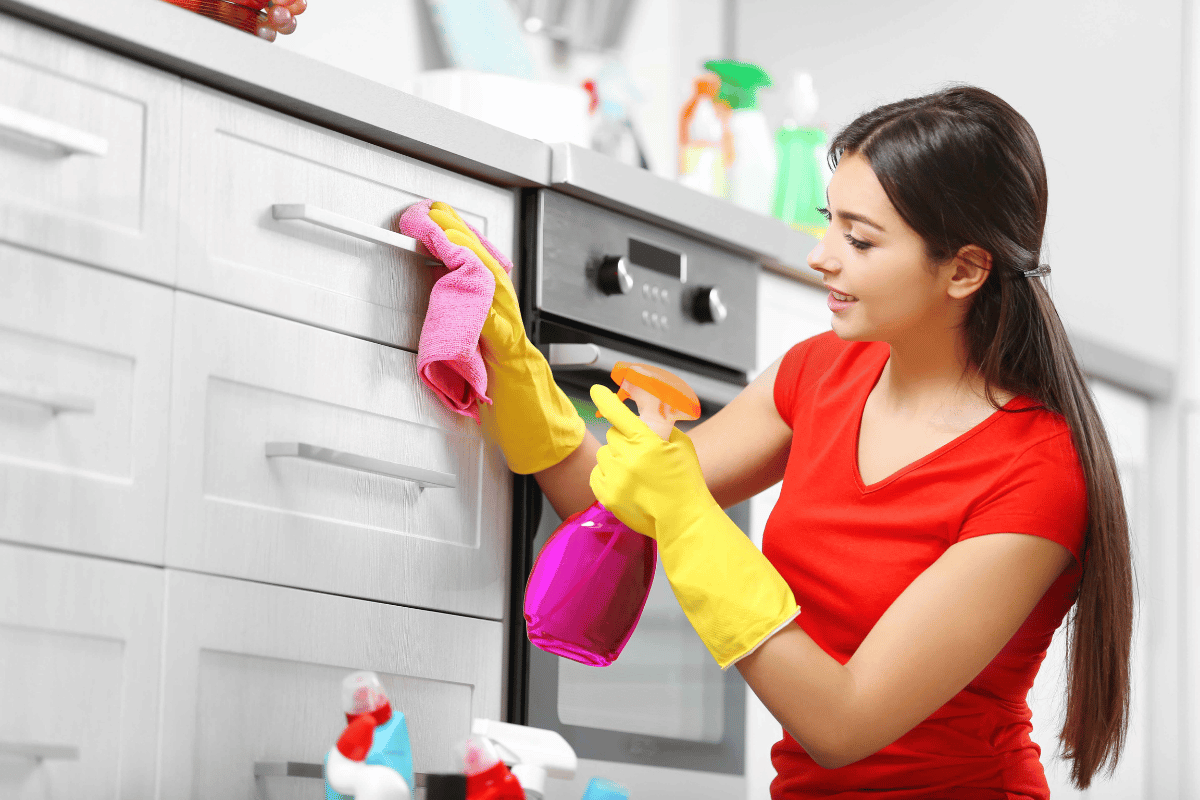
Cleaning kitchen cabinets effectively requires not just the right products but also the right tools. The tools you choose can make a significant difference in both the time and effort spent, as well as the results you achieve. From my own experience, using the correct tools has transformed what used to be a tedious chore into a satisfying task. Have you ever wondered why some tools perform better than others? Let’s dive into the essential tools that can make your kitchen cabinets sparkle with minimal effort.
Soft Cloths And Sponges
Soft cloths and sponges are the backbone of any cleaning routine. They are gentle on surfaces and effective at removing grime. A soft cloth can help you reach tight corners without scratching the cabinet surface. When choosing a sponge, opt for one that has a non-abrasive side. This ensures you get the scrubbing power without damaging the finish. Remember to keep these tools clean by rinsing them thoroughly after each use.
Microfiber Towels
Microfiber towels are a game-changer in the cleaning world. They are highly absorbent and can trap dust and dirt particles efficiently. Their unique texture makes them perfect for polishing cabinet surfaces to a shine. You might be surprised at how much dirt these towels can pick up in a single swipe. Plus, they dry quickly and can be used multiple times before needing a wash. Aren’t you tempted to try them if you haven’t already?
Soft-bristle Brushes
For those stubborn spots and grooves, soft-bristle brushes come to the rescue. They help dislodge trapped dirt without harming the cabinet finish. A brush with a comfortable grip can make the task even easier. These brushes are particularly useful for ornate cabinet designs where dust tends to accumulate. Make sure you select a brush with bristles that won’t scratch, and you’ll have a versatile tool that’s gentle yet effective. Choosing the right tools can elevate your cabinet cleaning game. With these simple additions to your toolkit, you can maintain a kitchen that’s not only clean but also inviting. Which tool will you add to your cleaning routine today?
Credit: www.cabinetdoors.com
Step-by-step Cleaning Process
Cleaning kitchen cabinets requires a clear plan to get the best results. Follow a simple process that removes dirt and grease without harming the surface. Each step helps keep your cabinets looking fresh and new.
Preparation And Dusting
Start by removing items from the cabinets. Clear the area around the cabinets to avoid spills on other surfaces. Use a soft cloth or a duster to remove dust and loose dirt. Pay special attention to corners and edges where dust gathers.
Applying Cleaners
Choose a cleaner suitable for your cabinet material. Spray or apply the cleaner evenly on the cabinet surfaces. Avoid soaking the wood, as too much moisture can cause damage. Let the cleaner sit for a few minutes to break down grease and stains.
Scrubbing And Wiping
Use a soft sponge or cloth to scrub gently. Focus on sticky spots and areas with heavy grease. Move in circular motions to lift dirt without scratching. Wipe the surface with a clean damp cloth to remove residue and cleaner.
Drying And Polishing
Dry the cabinets thoroughly using a soft towel. Make sure no moisture remains to prevent warping or damage. For a shiny finish, apply a small amount of polish or wood conditioner. Buff lightly to bring out the natural beauty of the cabinets.
Tips To Maintain Cabinet Cleanliness
Keeping your kitchen cabinets spotless doesn’t have to be a daunting task. With the right approach, you can maintain their shine and extend their life. Let’s look at practical tips that make cabinet cleaning manageable and effective.
Regular Cleaning Schedule
Set a consistent routine for cleaning your cabinets. Wiping them down weekly prevents buildup of grease and dust. Even a quick wipe with a damp cloth can keep grime from settling into the finish.
Think about how often you use your kitchen. Busy kitchens might need more frequent attention, while less-used spaces can get by with biweekly cleanings. Does your current schedule help you avoid tough stains?
Avoiding Harsh Chemicals
Harsh cleaners can damage the finish and wood of your cabinets. Opt for gentle, natural products like mild dish soap mixed with warm water. These clean effectively without stripping the protective coating.
If you spot stubborn stains, try a baking soda paste or vinegar solution instead of aggressive chemicals. Have you noticed any damage from cleaners you’ve used before? Switching to gentler options might save your cabinets.
Protecting Cabinet Surfaces
Prevent damage by handling cabinets with care. Use soft cloths or sponges instead of abrasive scrubbers. Avoid placing wet items against cabinet surfaces to stop water stains and warping.
Consider adding a layer of furniture wax or polish designed for cabinets. This shields the finish and makes cleaning easier next time. What small changes can you make today to protect your cabinets tomorrow?
Credit: www.tiktok.com
Common Mistakes To Avoid
Cleaning kitchen cabinets might seem straightforward, but certain mistakes can damage the finish or reduce their lifespan. Avoiding these errors helps keep your cabinets looking fresh and extends the time between deep cleans. Let’s look at some common pitfalls that many people overlook when cleaning their kitchen cabinets.
Using Abrasive Materials
Scrubbing your cabinets with rough sponges or steel wool can scratch the surface, especially if the finish is delicate. I once used a scouring pad on my wooden cabinets and ended up with tiny scratches that were hard to fix. Instead, use soft cloths or non-abrasive sponges to protect the finish while cleaning effectively.
Over-wetting Cabinets
It’s tempting to soak a cloth to clean stubborn stains, but too much water can seep into the wood or laminate and cause swelling or warping. I learned this the hard way when excess moisture led to peeling veneer on my cabinets. Use a damp cloth rather than a dripping one, and always dry the surface promptly after wiping.
Ignoring Manufacturer Guidelines
Each cabinet material has specific cleaning recommendations that can affect its durability and appearance. Ignoring these guidelines can void warranties or cause irreversible damage. Before buying any product, check the manufacturer’s instructions to choose the right cleaner and technique for your cabinets.
Frequently Asked Questions
What Is The Best Product For Cleaning Kitchen Cabinets?
The best product for cleaning kitchen cabinets is a gentle, non-abrasive cleaner. Mild dish soap mixed with warm water works well. Avoid harsh chemicals that can damage finishes. For tough stains, use a vinegar and water solution or a dedicated wood cleaner.
Can I Use Vinegar To Clean Kitchen Cabinets?
Yes, vinegar diluted with water is effective for cleaning cabinets. It removes grease and grime without harming surfaces. Mix equal parts vinegar and water, apply with a soft cloth, and wipe clean. Avoid using vinegar on natural stone surfaces to prevent damage.
How Often Should Kitchen Cabinets Be Cleaned?
Kitchen cabinets should be cleaned every two weeks for regular maintenance. Wipe them with a damp cloth to remove dust and spills. Deep clean with mild soap or vinegar solution monthly. Frequent cleaning prevents buildup and keeps cabinets looking fresh and new.
Are Commercial Cabinet Cleaners Safe For All Finishes?
Most commercial cabinet cleaners are safe for common finishes like laminate and painted wood. Always check the product label for compatibility. Test on a small, hidden area first. Avoid abrasive cleaners on delicate or antique finishes to prevent damage.
Conclusion
Choosing the right product makes kitchen cabinet cleaning easier. Gentle cleaners protect wood and finishes well. Avoid harsh chemicals that can damage surfaces. Regular cleaning keeps cabinets looking fresh and new. Simple ingredients often work better than strong chemicals. Clean cabinets brighten the whole kitchen space.
Try different products to find what suits you best. Keep your kitchen healthy and inviting with clean cabinets. Small efforts lead to great results over time. Clean cabinets create a welcoming home atmosphere.