
Have you ever wondered if you can wash your microfiber cleaning cloth without ruining it? You rely on these cloths to keep your home spotless, but what’s the best way to clean them?
If you want to keep your microfiber cloths effective and lasting longer, it’s important to know how to wash them properly. Keep reading, and you’ll discover simple tips that will save you time, money, and frustration. Your cleaning routine is about to get a whole lot easier.
Credit: www.maytag.com
Why Microfiber Cloths Need Special Care
Microfiber cloths are popular for cleaning because they work well and last long. These cloths need special care to keep their cleaning power and avoid damage. Washing them the wrong way can reduce their softness and effectiveness. Understanding why microfiber cloths need gentle handling helps you keep them useful for a long time.
Material Properties
Microfiber cloths are made from tiny synthetic fibers, usually polyester and nylon. These fibers are much thinner than human hair. They create a large surface area that traps dirt and dust easily. The fine fibers also absorb liquids better than cotton. Because the fibers are so small, they can be damaged by heat and rough washing.
The cloths can lose their shape and texture if washed with bleach or fabric softeners. These chemicals block the fibers and stop them from trapping dust. High temperatures can melt the fibers, making the cloth stiff and less effective. Gentle washing keeps the fibers open and ready to clean.
Common Uses
Microfiber cloths clean many surfaces without scratching. They work well on glass, mirrors, and screens. They also remove grease and grime from kitchen counters and appliances. Some people use them for dusting furniture and car interiors.
Because microfiber cloths are delicate, they need special care to stay soft and strong. Proper washing preserves their ability to clean and absorb. This care helps you save money by using the same cloth for a long time.

Credit: mahamlaundry.com
Signs Your Microfiber Cloth Needs Washing
Knowing when to wash your microfiber cleaning cloth is key to keeping it effective and extending its lifespan. Using a dirty cloth can spread dirt instead of removing it, which defeats the purpose of cleaning. Recognizing the signs that your microfiber cloth needs washing helps maintain its performance and keeps your surfaces spotless.
Visible Dirt And Stains
If you notice obvious dirt, grime, or stains on your microfiber cloth, it’s a clear sign it’s time to wash it. These particles can get trapped deep within the fibers, reducing the cloth’s ability to pick up new dirt. Even if the cloth looks dry but feels gritty, it’s probably holding onto debris that can scratch surfaces.
Have you ever wiped down a counter only to find smudges left behind? That’s your microfiber cloth begging for a wash. Cleaning a visibly soiled cloth restores its softness and effectiveness.
Reduced Cleaning Efficiency
Does your microfiber cloth no longer clean as well as it used to? If surfaces aren’t coming out as clean or you’re needing more elbow grease, your cloth might be clogged with oils and residues. These build-ups reduce the cloth’s absorbency and static charge, which are crucial for trapping dust and dirt.
Think about the last time you had to scrub harder or use more cleaning spray. That’s a good indicator your cloth isn’t doing its job properly anymore. Washing it regularly keeps your cleaning routine efficient and saves you time and effort.
Washing Methods For Microfiber Cloths
Microfiber cloths are popular for cleaning because they trap dust and dirt. Keeping them clean is essential for effective use. Proper washing methods extend their lifespan and maintain cleaning efficiency.
Machine Washing Tips
- Use warm water to wash microfiber cloths.
- Avoid fabric softeners as they can clog fibers.
- Choose a mild detergent for best results.
- Wash separately to prevent lint transfer.
- Set the machine on a gentle cycle.
- Avoid using bleach to preserve the cloth’s quality.
- Air dry for best results, or use low heat.
Hand Washing Techniques
- Fill a basin with warm water and mild detergent.
- Soak the cloth for about 15 minutes.
- Gently rub the cloth to remove dirt.
- Rinse thoroughly until water runs clear.
- Squeeze out excess water without twisting.
- Lay flat or hang to dry completely.

Credit: www.reddit.com
Detergents And Products To Use Or Avoid
Choosing the right detergent is key to keeping microfiber cloths effective and long-lasting. Some products clean well without harming the fibers. Others can damage the cloth, reducing its ability to pick up dust and dirt. Understanding which detergents and chemicals to use or avoid helps maintain the cloth’s performance.
Safe Detergents
- Mild liquid detergents work best for microfiber cloths.
- Look for detergents without added fabric softeners or bleach.
- Use detergent amounts recommended on the label, not more.
- Detergents labeled “free and clear” often lack harsh additives.
- Cold or warm water helps keep fibers intact during washing.
Chemicals To Avoid
- Avoid bleach; it breaks down microfiber fibers quickly.
- Skip fabric softeners; they coat fibers and reduce absorbency.
- Stay away from detergents with fragrances or dyes.
- Do not use harsh stain removers or solvents on microfiber.
- High heat in dryers can melt or damage the fibers.
Drying Microfiber Cloths Safely
Drying microfiber cloths correctly is just as important as washing them properly. If you skip this step or do it wrong, your cloths may lose their effectiveness or get damaged. Let’s look at safe ways to dry microfiber cloths so they stay soft, absorbent, and long-lasting.
Air Drying Benefits
Air drying is the gentlest way to dry your microfiber cloths. It prevents the fibers from melting or shrinking, which can happen with high heat. Simply hang your cloths or lay them flat in a clean, dry area with good air circulation.
Have you noticed how your microfiber cloths feel different after air drying? They often stay fluffier and maintain their texture better than when put in the dryer. This method also saves energy, making it eco-friendly and budget-friendly.
One tip: avoid drying them in direct sunlight for long periods, as UV rays can weaken the fibers. Instead, choose a shaded spot indoors or a covered outdoor area. This keeps your cloths in top shape for future cleaning jobs.
Using A Dryer Correctly
If you prefer using a dryer, you can do so but with caution. Use the lowest heat setting or the air fluff option to prevent heat damage. High temperatures can melt the synthetic fibers, reducing your cloth’s ability to pick up dust and dirt.
Avoid fabric softeners or dryer sheets, as they coat the fibers and reduce absorbency. Instead, toss in clean, dry towels to help your microfiber cloths dry faster without adding heat. This also prevents static buildup, which can be annoying during use.
Have you ever felt your microfiber cloths getting stiff or less effective after drying? This is often a sign of too much heat or leftover detergent residue. Checking your dryer settings and washing habits can help keep your cloths performing their best.
Common Mistakes That Damage Microfiber Cloths
Microfiber cloths are designed to last through many cleaning sessions, but certain mistakes during washing can ruin their effectiveness quickly. Many people unknowingly damage their cloths by using the wrong products or mixing them with incompatible fabrics. Knowing what to avoid can save you money and keep your cloths performing at their best.
Using Fabric Softener
Fabric softener might seem like a good idea to keep your cloths soft, but it actually ruins microfiber cloths. The softener coats the fibers, making them less absorbent and less effective at picking up dirt and dust. Have you ever noticed your cloth not cleaning as well after washing? That’s usually why.
To keep your microfiber cloths in top shape, skip the fabric softener entirely. Instead, wash them with a small amount of mild detergent and rinse thoroughly to remove any residue.
Washing With Other Fabrics
Washing microfiber cloths alongside lint-producing fabrics like cotton can cause trouble. Cotton fibers stick to microfiber, reducing its cleaning power and leaving behind fuzz on your cloths and surfaces. Imagine wiping a window only to leave behind tiny threads—frustrating, right?
Wash microfiber cloths separately or with other microfiber items to avoid lint buildup. This simple step helps maintain their texture and ensures they stay effective for longer.
Extending The Life Of Your Microfiber Cloth
Extending the life of your microfiber cloth saves money and reduces waste. Proper care keeps the cloth effective for cleaning tasks. Small habits make a big difference in durability.
Storage Tips
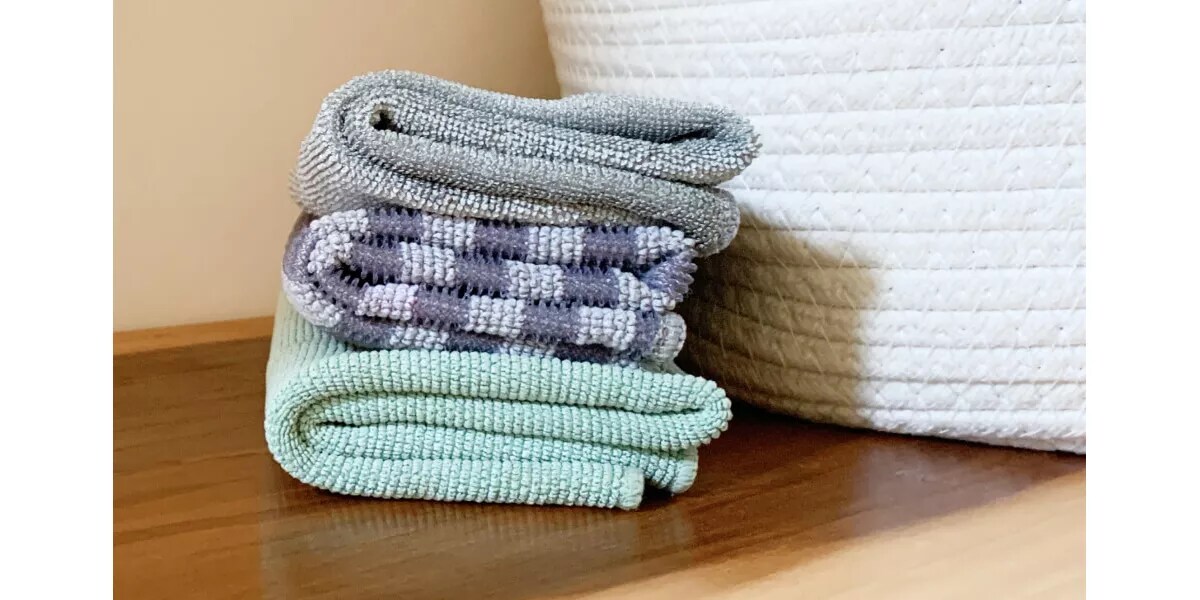
Store microfiber cloths in a clean, dry place. Avoid damp or dirty areas that can cause mildew. Use a dedicated container or drawer to keep cloths separate from other items. Folding cloths neatly prevents damage and maintains their texture. Keep cloths away from harsh chemicals or sharp objects that can tear fibers.
Routine Maintenance
Rinse microfiber cloths after each use to remove dirt and debris. Wash cloths regularly with mild detergent and warm water. Avoid bleach and fabric softeners that harm microfiber fibers. Air dry or use a low heat setting in the dryer to prevent shrinking. Inspect cloths for damage or buildup and replace if needed. Regular care keeps cloths soft and efficient for cleaning.
Frequently Asked Questions
Can Microfiber Cloths Be Washed In A Washing Machine?
Yes, microfiber cloths can be washed in a machine. Use warm water and mild detergent. Avoid fabric softeners as they reduce effectiveness.
How Often Should I Wash Microfiber Cleaning Cloths?
Wash microfiber cloths after every use. Regular washing prevents dirt buildup and maintains cleaning power. Proper care extends their lifespan.
Can I Use Bleach To Clean Microfiber Cloths?
No, avoid bleach on microfiber cloths. Bleach breaks down fibers and reduces their absorbency and effectiveness. Stick to mild detergents.
Should Microfiber Cloths Be Air-dried Or Machine Dried?
Air-drying is best for microfiber cloths. If using a dryer, choose low heat to avoid fiber damage and preserve texture.
Conclusion
Microfiber cloths stay useful longer with proper washing. Avoid fabric softeners and bleach to keep fibers effective. Use warm water and mild detergent for cleaning. Let the cloth air dry or use low heat. Clean cloths remove dirt and dust better every time.
Taking care of your microfiber cloth saves money and effort. Small steps make a big difference in cleaning results. Wash your cloths regularly to keep them fresh and ready. Simple care keeps microfiber cloths working like new.